Don't believe the hype that the American legal system has folded. If you've been watching the headlines lately, it's easy to get the impression that the executive branch has finally broken the back of the judiciary. We see high-profile immunity rulings and a relentless pace of executive orders that seem to bypass traditional checks. But look closer at the actual docket. Beneath the noise of political rallies and social media firestorms, the courts are quietly, stubbornly, and effectively holding the line.
The reality of 2026 isn't one of judicial surrender. It's one of judicial precision. While the "chaos" narrative sells ads, the boring, granular work of federal judges is currently providing the most significant pushback against executive overreach we've seen in decades.
The Tariff Trap and the Major Questions Doctrine
One of the biggest misconceptions right now is that the President has a blank check to rewrite the economy through emergency powers. Earlier this year, the Supreme Court sent a massive shockwave through the administration with the Learning Resources, Inc. v. Trump decision.
The administration tried to use the International Emergency Economic Powers Act (IEEPA) to unilaterally slap tariffs on everything from Canadian maple syrup to Mexican auto parts. They called it a "national emergency." The court called it a reach.
Chief Justice Roberts, leading a 6-3 majority, didn't just disagree with the policy; he dismantled the legal justification. The court essentially said that if Congress didn't explicitly give the President the power to tax via tariffs, he can't just "interpret" his way into that power. This is the Major Questions Doctrine in full effect. It’s a fancy way of saying: "If it's a big deal for the economy, the President doesn't get to decide it alone."
- The Myth: The President can use "emergency" labels to bypass Congress on trade.
- The Reality: The Supreme Court just ruled that "regulating" doesn't mean "taxing," effectively killing the 25% drug-trafficking tariffs and the "reciprocal" trade deficit duties.
When Slapdash Policy Meets Administrative Law
It isn't just the Supreme Court playing goalie. Lower courts are arguably doing more day-to-day damage to the "chaos" agenda. Take the recent ruling in Rhode Island regarding the Department of Housing and Urban Development (HUD).
Secretary Scott Turner tried to pivot federal housing grants, making them conditional on whether cities followed a specific partisan agenda. It was a classic move: use the "power of the purse" to force local compliance. But the U.S. District Court saw it for what it was: a "slapdash imposition of political whims."
The court didn't just pause the policy; it shredded the administration's homework. Under the Administrative Procedure Act (APA), you can't just change federal rules because you feel like it. You need data, a public comment period, and a logical connection between the facts and the choice made. When the administration skips the boring paperwork, the courts hit the "undo" button. It’s not flashy, but it’s incredibly effective at stopping a "move fast and break things" style of governing.
The Birthright Citizenship Standoff
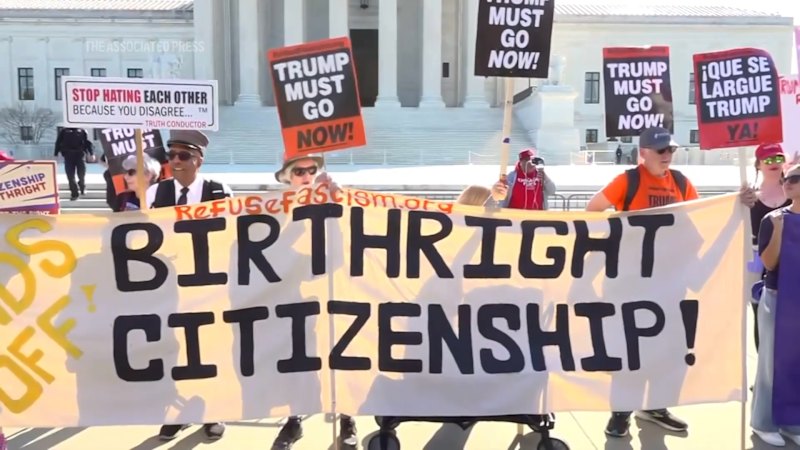
We're currently sitting in a high-tension waiting game over the Executive Order attempting to end birthright citizenship. This is the ultimate test of judicial independence. The administration argues that the 14th Amendment has been "misinterpreted" for over a century.
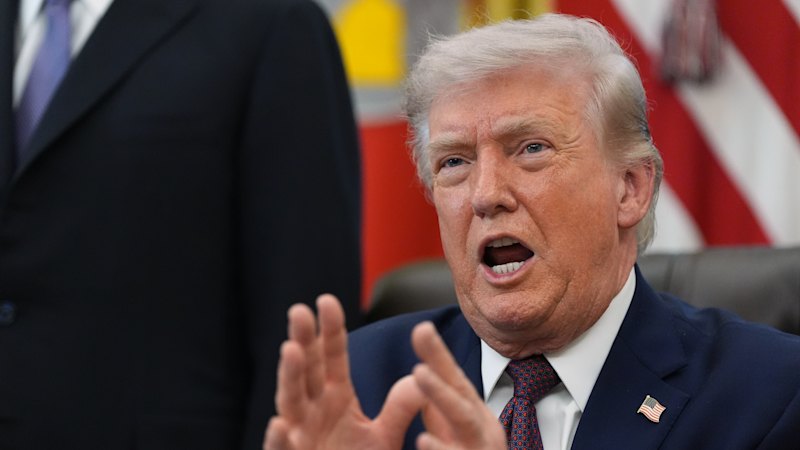
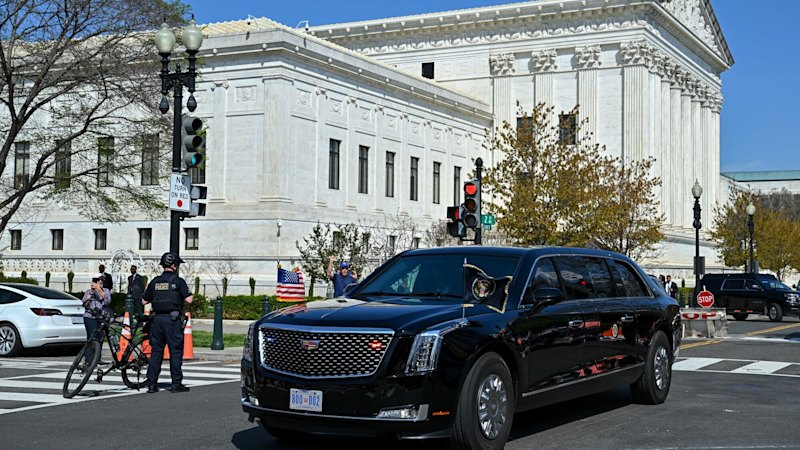
I’ve spent years tracking constitutional law, and honestly, the administration's logic here is a stretch. Even the conservative supermajority on the Supreme Court looked skeptical during oral arguments on April 1, 2026. When the President showed up in person—a move many saw as a heavy-handed attempt to intimidate the bench—it didn't seem to buy much goodwill.
Justice Amy Coney Barrett and Justice Neil Gorsuch have shown they aren't interested in being rubber stamps. In the tariff case, they already sided against the man who appointed them. Expecting them to ignore 100+ years of precedent on citizenship just because of a campaign promise is a bet most legal experts aren't willing to make.
Why the Immunity Shield has Cracks
People often point to the 2024 immunity ruling as proof that the courts gave up. That's a massive oversimplification. Yes, the court established that "official acts" get a pass. But they left the definition of "unofficial acts" wide open for lower court judges like Tanya Chutkan to navigate.
The courts didn't give the President a "get out of jail free" card; they gave him a shield with very specific edges. We're seeing that play out now as trials move into the evidentiary phase. Every time a judge decides a specific conversation or tweet was "private" or "campaign-related" rather than "presidential," the shield shrinks. The judiciary isn't rolling over; it's playing a long, tactical game of chess.
What you should watch for next
If you want to know where the real power lies, stop watching the press conferences and start reading the "Orders" page on PACER (the federal court filing system).
- Watch the APA challenges: If a new federal policy comes out without a 60-day comment period, it’s likely dead on arrival in the D.C. Circuit.
- Follow the money: Look at how many "emergency" funding diversions are currently tied up in the 9th and 2nd Circuits. Hint: it’s most of them.
- Monitor the "Disloyalty" Rhetoric: When the President starts attacking his own appointees on the bench by name, it’s usually a sign that he’s losing the legal argument.
The courts aren't just "showing who's boss" for the sake of an ego trip. They're functioning as the last remaining friction point in a system designed to be slow. Chaos thrives on speed; the law thrives on deliberate, often painful, slowness. Right now, the slowness is winning.