The global aviation industry is currently staring into a geopolitical furnace, yet the boardrooms of Delta, United, and American Airlines are projecting an almost eerie level of defiance. As the conflict in Iran intensifies, conventional wisdom suggests that $100-a-barrel oil and the shuttering of the Strait of Hormuz should be grounding the American fleet. Instead, carriers are reporting record-breaking booking days and raising revenue guidance. This is not a miracle of diplomacy or a sudden global indifference to war. It is the result of a cold, calculated shift in how airlines extract value from a traveling public that has seemingly decided that no amount of regional instability—or ticket price inflation—will keep them at home.
Since the outbreak of hostilities on February 28, 2026, jet fuel prices in the United States have surged by 81%. For an industry that abandoned fuel hedging a decade ago, this should have been a knockout blow. Fuel now accounts for nearly 30% of operating expenses. Yet, Delta Air Lines CEO Ed Bastian recently noted that five of the company's top ten sales days in its entire history occurred in the first two weeks of March. The narrative is clear: the American flyer is currently acting as the ultimate shock absorber for $11 billion in unanticipated industry costs.
The Death of the Hedging Safety Net
To understand why U.S. carriers are so exposed to the current energy spike, one must look back at the strategic pivot made by the "Big Three" years ago. While European and Asian carriers like Lufthansa or Singapore Airlines typically hedge up to 80% of their fuel needs to flatten price volatility, American, Delta, and United decided to "go naked" on the market. They argued that the long-term cost of insurance premiums outweighed the benefits.
In a stable world, this saved them billions. In March 2026, it left them with a $400 million hole in their quarterly budgets for every few cents the price of fuel rose.
But the industry didn't panic. Instead, they leaned into a pricing power that hasn't been seen in decades. Because the domestic market is so consolidated, airlines have been able to implement back-to-back fare increases with surgical precision. They aren't just covering the cost of the fuel; they are protecting their margins in real-time. This is only possible because of a fundamental change in consumer psychology: the transition of travel from a discretionary luxury to a non-negotiable right.
Why Demand Refuses to Crater
If you look at the flight boards, the disruption is undeniable. Over 37,000 flights to or from the Middle East have been scrubbed since late February. Major transit hubs like Dubai and Doha are functioning under "operational duress." Logic dictates that a global contraction should follow.
However, U.S. carriers are seeing a massive redirection of traffic. Travelers who previously utilized Middle Eastern hubs to reach the Asia-Pacific region are being funneled back through long-haul hubs in the U.S. and Europe. This has created a paradoxical "scarcity premium." As routes are diverted and capacity is tightened to avoid conflict zones, the remaining seats become more valuable.
The industry is also benefiting from a "revenge travel" hangover that refuses to fade. Corporate travel, long thought to be a casualty of the digital age, has surged back to pre-pandemic levels, joined by a premium leisure class that is increasingly price-insensitive. When Delta reports that its revenues are up 25% year-over-year despite a war, they are admitting that the "yield" they get from each passenger is reaching an all-time high.
The Fragility of the Fare Hike Strategy
While the current numbers look strong on a spreadsheet, there is a hidden rot in this model. The reliance on the consumer's ability to absorb cost increases assumes a limitless ceiling. We are currently seeing airfares rise at a rate of 7% to 9% per month.
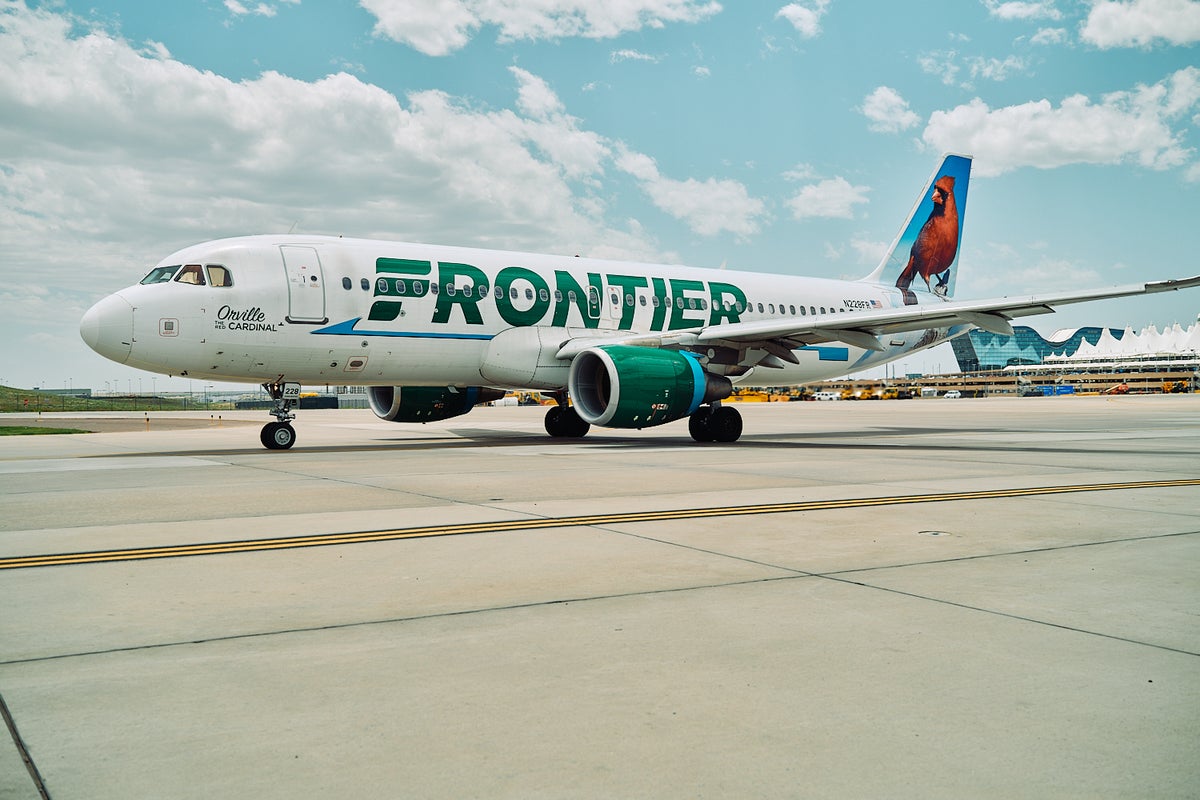
- Low-cost carriers are bleeding: Unlike the majors, budget airlines like Spirit and Frontier cater to price-sensitive flyers. They cannot pass on a $100 fuel surcharge without losing their core customer base.
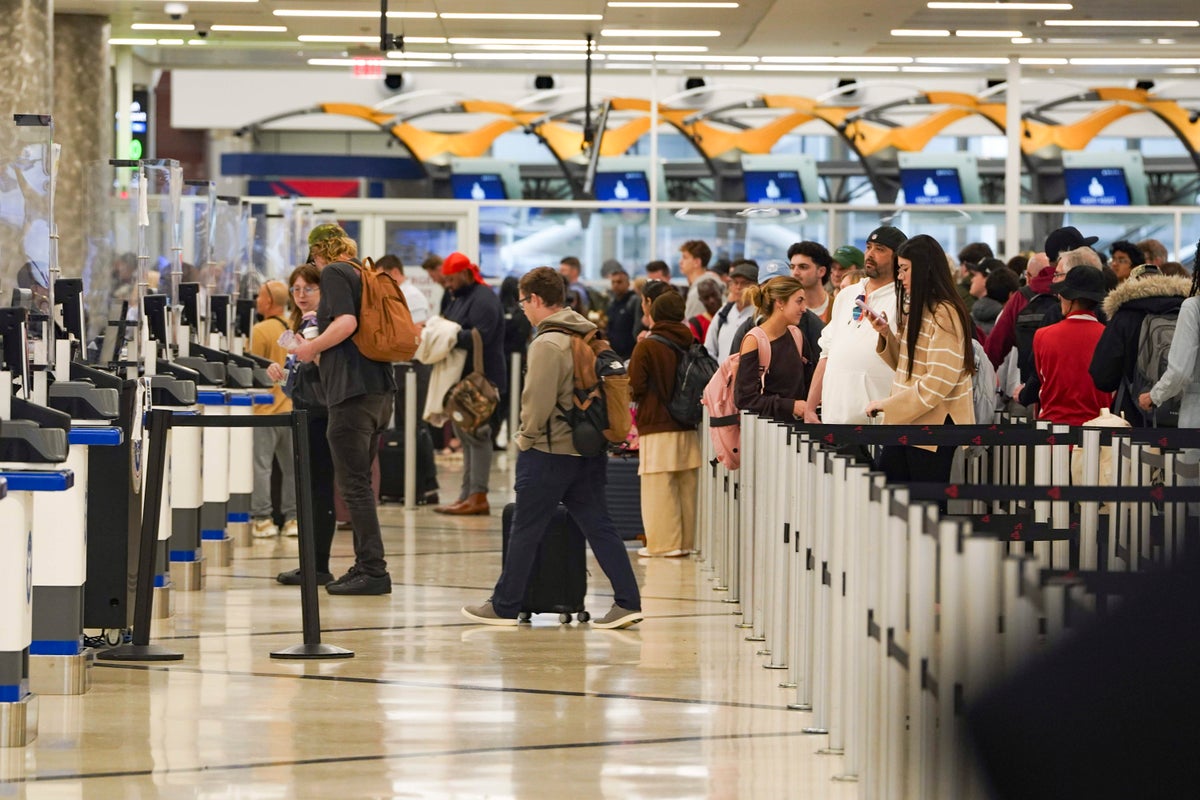
- Infrastructure is crumbling: The ongoing government shutdown and TSA staffing shortages mean that while people are paying more, they are waiting longer. Some security lines at major hubs now exceed two hours.
- The "Crack Spread" phenomenon: The price of refined jet fuel is actually rising faster than the price of crude oil itself. This means even if the war reaches a stalemate, the energy supply chain is so damaged that fuel costs will remain elevated for months.
The market has responded with extreme volatility. On March 2, airline stocks plummeted as much as 20% in a single session. By mid-March, they rebounded on the news of the revenue guidance hikes. This "yo-yo" effect reflects a deep-seated anxiety among investors: they aren't sure if the airlines are geniuses or if they are simply flying into a different kind of storm.
The Pivot to Premium Seating
To survive this era of $4.00-per-gallon fuel, the major airlines have effectively abandoned the hunt for the budget traveler. The strategy is now focused entirely on the "high-yield" passenger—those sitting in the front of the plane or those locked into high-tier loyalty programs.
By shrinking the number of economy seats and expanding premium offerings, airlines reduce their overall fuel burn per dollar of revenue. A passenger in a $5,000 business-class pod uses roughly the same amount of fuel to move across the Atlantic as a passenger in a $600 economy seat, but the profit margin on the former allows for much higher fuel price tolerance.
This is the "Brutal Truth" of the 2026 travel market. The industry is being restructured in real-time to serve an elite tier of travelers, while the average flyer is being priced out by "geopolitical surcharges" that are unlikely to ever disappear, even if peace returns to the Middle East.
Looking for the Breaking Point
Historical precedent suggests that airline profitability usually vanishes when oil stays above $75 a barrel for a sustained period. We are well past that mark. The only reason the industry hasn't collapsed is that the American consumer has, so far, been willing to pay.
But as the war in Iran drags on and the Strait of Hormuz remains effectively closed, the "risk premium" embedded in every ticket will continue to grow. There is a point where a family of four simply cannot afford a $3,000 domestic flight. When that threshold is hit, the current "booming demand" will reveal itself for what it truly is: a temporary bubble fueled by a desperate desire for mobility in an increasingly restricted world.
Airlines are currently winning a high-stakes game of chicken with global energy markets. They are betting that your desire to see the world is stronger than your fear of the bill. For now, they are right.
Check your upcoming flight status and fare class immediately to see how much of the "war surcharge" you are currently subsidizing.