The footwear industry generally runs on a cycle of vanity and obsolescence. Designers chase the next silhouette, factories churn out synthetic fibers, and the consumer buys into a temporary aesthetic. But in a quiet corner of Vancouver’s Gastown, a different kind of transaction took place—one that traded a surgical incision for a permanent tribute. John Fluevog, the patriarch of unconventional Canadian footwear, didn't just release another seasonal boot. He built a monument to a specific act of human biological sacrifice.
The "Zoe" shoe was not born from a marketing brainstorm or a trend forecast. It was forged from the literal gift of a kidney. When longtime Fluevog employee and community fixture Zoe Forbes donated a vital organ to a colleague's husband, the act bypassed the usual corporate social responsibility jargon and hit the design table as a raw, tangible reality. This is not a story about charity. It is a study of how personal debt and extreme empathy can be translated into a commercial product without losing their soul.
More Than a Sole
Most brands "give back" by writing a check or slapping a ribbon on a box. Fluevog’s approach was different because the catalyst was internal. This wasn't a PR stunt designed to boost quarterly earnings. It was an acknowledgment of a high-stakes medical gamble. Organ donation is a brutal, exhausting process for the donor. It involves months of testing, a major surgery, and a lifetime of adjusted health expectations. By naming a shoe after Forbes, Fluevog attempted to bridge the gap between the clinical coldness of a hospital ward and the vibrant, often eccentric world of high-end fashion.
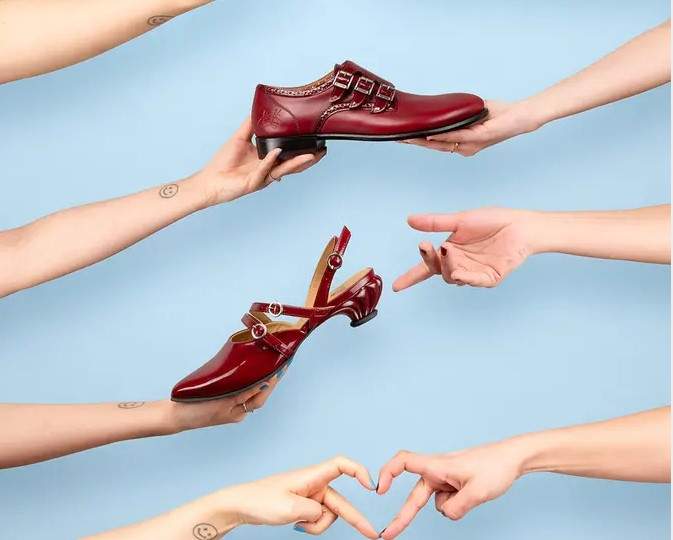
The shoe itself carries the DNA of the Fluevog brand—bold, slightly arched, and undeniably distinct. But the hidden narrative is the "why." In an industry that often feels hollow, this specific piece of footwear serves as a physical reminder of the thin line between life and death. The donor didn't ask for a shoe. The recipient didn't ask for a tribute. The design emerged as a reactive force, a way for an artist to process the magnitude of a colleague’s sacrifice.
The Economics of Empathy
We have to look at the business of being "good." When a designer creates a piece to honor a specific event, they are taking a risk. If the design fails, it diminishes the tribute. If it succeeds too wildly, it risks looking like a cynical exploitation of a medical emergency. Fluevog walked this tightrope by keeping the focus on the narrative of the donor rather than the brand’s own benevolence.
The leather and craftsmanship are standard for the house, but the branding is personalized. This creates a unique value proposition for the consumer. They aren't just buying a heel; they are participating in a story of biological altruism. From a market perspective, this builds a level of brand loyalty that traditional advertising cannot touch. People don't buy Fluevogs because they are sensible. They buy them because they feel like they belong to a tribe of outsiders. The Zoe shoe solidified that identity, proving that the company values the literal guts of its employees as much as their creative output.
The Medical Reality Behind the Design
To understand the weight of this tribute, one must understand the severity of the transplant process. It is not a simple "in and out" procedure. The donor undergoes a nephrectomy, which involves significant recovery time and a permanent shift in how their body processes fluids and waste.
[Image of the human kidney and urinary system]
When Forbes went under the knife, she wasn't just giving away a part of herself; she was fundamentally altering her future health profile to save a life. This is the "hard truth" that a standard lifestyle piece ignores. The shoe is a celebration, yes, but it is a celebration of a choice that carries permanent consequences. The vibrancy of the leather stands in stark contrast to the sterile, frightening reality of the operating room.
The Architecture of a Tribute
Designers often speak about "structure" and "form" in abstract terms. In the case of the Zoe shoe, the structure is a direct response to a human event. The curves of the heel and the choice of materials reflect a desire to create something lasting. In a world of "fast fashion," where shoes are designed to fall apart in six months, creating a tribute shoe requires a commitment to longevity. If the shoe is meant to honor a life-saving act, it cannot be flimsy.
The craftsmanship involves thick, high-quality leathers and internal supports that ensure the wearer feels grounded. There is a psychological component to footwear that many analysts overlook. A shoe changes how you stand, how you walk, and how you present yourself to the world. By putting Forbes' name on the sole, Fluevog is asking the wearer to step into a legacy of generosity. It is a heavy burden for a piece of clothing, but for the Fluevoger, it is exactly why they pay the premium.
Challenging the Corporate Norm
Contrast this with how a major global conglomerate would handle the same situation. Most HR departments would offer a standardized leave of absence and perhaps a company-wide email. The idea of the CEO going into the workshop to draft a commemorative product is unthinkable in a publicly-traded environment. This is where the small, independent nature of Fluevog’s operation becomes a competitive advantage. They can be human in ways that Nike or Adidas cannot.
This human-centric business model isn't just "nice"—it's a survival strategy. In an era where AI-generated designs and automated factories are standard, the "human touch" is the only remaining scarcity. By leaning into the personal stories of his staff, Fluevog creates a moat around his brand that no algorithm can breach. You cannot automate the feeling of gratitude that leads to a design like this.
The Ripple Effect of Organ Advocacy
Beyond the shoes, there is a broader social impact. Every time someone asks "Why is this shoe called the Zoe?" a conversation about organ donation begins. In Canada and the US, the waiting lists for kidneys are staggeringly long. Many people die while waiting for a match.
By elevating a donor to the status of a "muse," Fluevog does more for the cause than a thousand brochures ever could. He makes the act of donation feel heroic and stylish, rather than just clinical and scary. This is the true power of the "veteran journalist" perspective: seeing that the product is just the tip of the spear. The real story is the cultural shift that happens when we start treating altruism as something worthy of high-fashion status.
The Wearer’s Responsibility
When a consumer purchases a piece like this, they are making a choice. It is a choice to support a business that recognizes the individual over the collective. It is also a choice to wear a story. This changes the relationship between the buyer and the object. It is no longer a commodity; it is a conversation piece with a moral weight.
We see this often in the collectors' market. Items with a "provenance"—a story of origin—always hold more value than those without. The provenance of the Zoe shoe is written in blood and surgical steel. That gives it a gravity that the rest of the seasonal collection lacks. The wearer becomes a walking billboard for a specific type of radical kindness, whether they realize it or not.
A Departure from Tradition
Fluevog has always been an outlier. From his early days in the "Fox and Fluevog" partnership to his current status as a Canadian icon, he has rejected the standard rules of footwear. He doesn't do focus groups. He doesn't care about what's "in." He cares about the "soul" of the shoe. This specific release is perhaps the ultimate expression of that philosophy.
The traditional fashion cycle is a heartless machine. It demands constant "newness" at the expense of meaning. By stopping to honor a kidney donor, Fluevog threw a wrench into that machine. He forced the pace to slow down and directed the spotlight away from the runway and toward the recovery room. This is how you build a brand that lasts fifty years. You don't do it with marketing; you do it with genuine, often painful, human connection.
The Unspoken Cost
We must also acknowledge the recipients. For the husband of the colleague who received the kidney, the shoe is a reminder of a debt that can never truly be repaid. Living with a donated organ is a complex emotional journey. There is often "survivor's guilt" or an overwhelming sense of obligation. The existence of a commercial product celebrating the donor adds another layer to this complexity.
It turns a private medical miracle into a public narrative. While this raises awareness, it also puts a permanent spotlight on a very personal event. In my years of reporting on the intersection of business and health, I have seen these stories go both ways. Sometimes the publicity is a healing force; other times, it becomes a burden. In this case, the tight-knit nature of the Fluevog "family" seems to have provided a safe environment for this story to be told.
Why This Matters Now
The world is currently obsessed with "authenticity." Every brand claims to have it, but very few can prove it. Authenticity isn't a filter you put on an Instagram post. It is the result of making decisions that don't always make "business sense." Designing a shoe for a single employee's act of kindness doesn't scale. It doesn't optimize for maximum profit. It is, in many ways, an inefficient way to run a company.
And that is exactly why it works. Inefficiency is the hallmark of the human experience. We do things because they feel right, not because they are profitable. Fluevog’s willingness to be "inefficient" is his greatest strength. It is why his customers are so fiercely defensive of the brand. They aren't just buying leather; they are buying a piece of a world where people still look out for each other.
The "Zoe" shoe will eventually go out of stock. It will be replaced by another design, another name, another inspiration. But the precedent it set—that a life-saving act is worthy of the highest form of creative tribute—remains. This isn't just about footwear. It’s about the refusal to let the corporate world strip away our humanity.
The next time you look at a pair of shoes, ask yourself what they cost. Not the price on the tag, but the human cost of their creation. In the case of the Zoe, the price was a piece of someone’s body, and the result is a legacy that won't wear out.