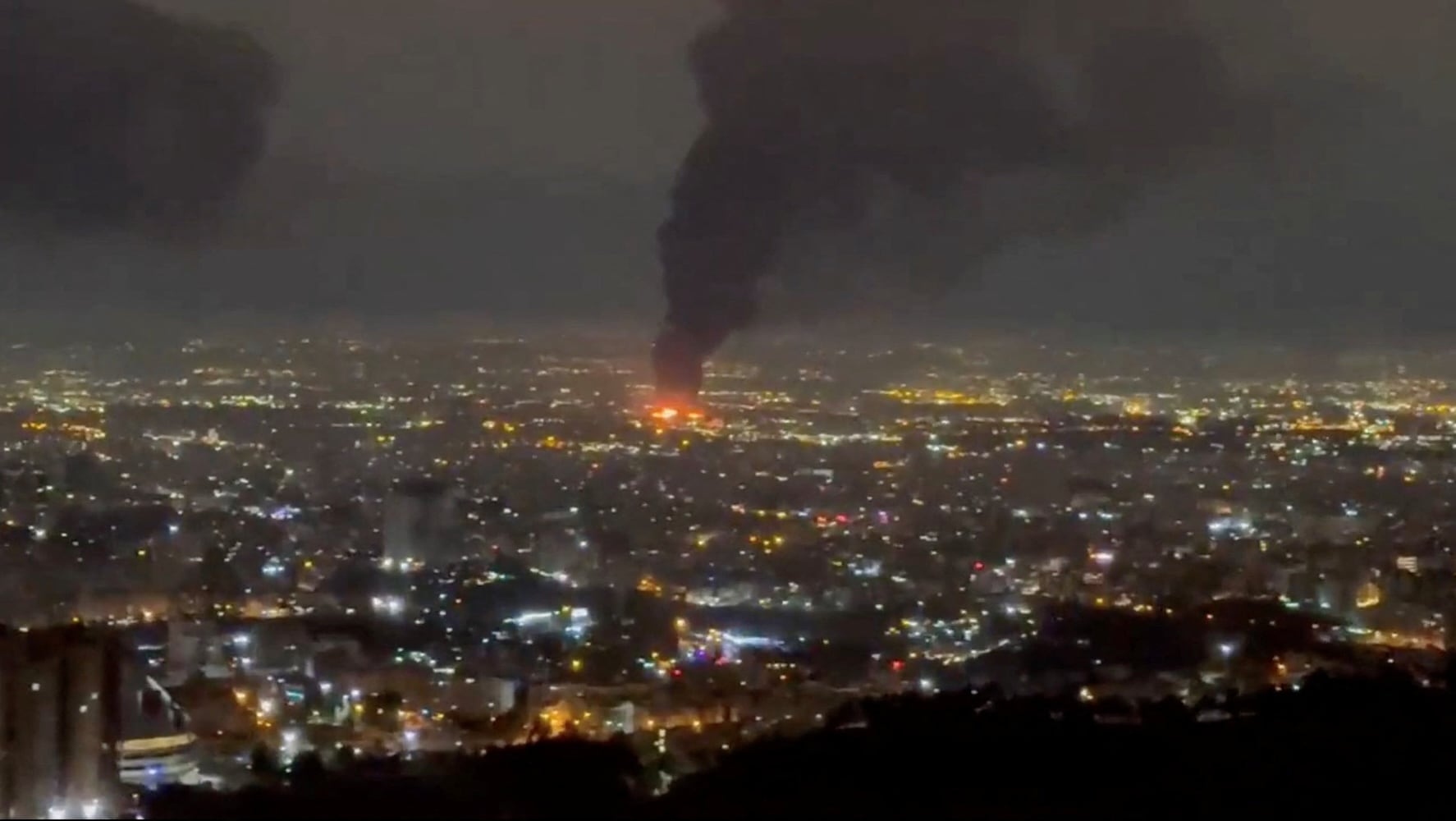
The video looks like something out of a big-budget disaster movie. A massive fireball tears through the night sky over Sitra, turning the darkness into a hellish orange. This isn't Hollywood, though. It’s the real-time destruction at Bahrain’s Bapco Energies refinery. When that storage tank exploded on Sunday morning, it didn't just rattle windows in nearby Maameer; it sent a shockwave through the global energy sector that we’re still feeling.
I’ve watched plenty of industrial accident footage, but this is different. The sheer scale of the fire suggests a direct hit on critical infrastructure. While the Bahraini government says they've contained the blaze, the fallout is only beginning. We’re looking at a region that’s already on edge, and this latest strike on a 405,000 barrel-per-day facility is a massive red flag.
The Sitra hit and what actually happened
On Sunday, April 5, 2026, a drone attack targeted the Bapco refinery complex. This isn't the first time this year the site has been in the crosshairs. Back in March, the company had to declare force majeure after a previous strike. This time, a storage tank took the brunt of the impact.
Local reports and the Bahrain News Agency confirmed the fire is out. They're saying there are no injuries this time around, which is a miracle considering the size of the explosion seen in the viral clips. But "no injuries" doesn't mean "no damage." When a refinery of this size takes a hit, the technical recovery is a nightmare. You don't just patch a hole in a tank and move on. You have to deal with structural integrity issues, scorched sensor arrays, and the massive cleanup of spilled fuel.
Why this isn't just another regional fire
Most people think of these events as isolated incidents. They aren't. Since February 28, the Gulf has become a shooting gallery. Bahrain alone has intercepted nearly 600 missiles and drones in just over a month.
Refineries like Sitra are the lifeblood of the Bahraini economy. Bapco recently finished a huge upgrade, jumping from a 267,000 b/d capacity to over 400,000. That’s a lot of capital sitting in one spot. When you see a fireball that big, you’re seeing years of engineering and billions of dollars quite literally going up in smoke.
- Supply Chains: Even if local demand is "fully secured," as Bapco claims, international contracts get messy.
- Insurance: War risk premiums for tankers and facilities in the Gulf are skyrocketing.
- Security: If drones are getting through one of the most heavily defended airspaces in the world, every energy hub in the Middle East is looking over its shoulder.
The technical reality of refinery fires
Refinery fires are uniquely dangerous because of "boil-over" risks. If water gets trapped under the burning oil in a storage tank, it can turn to steam instantly, throwing a mountain of burning fuel into the air. That’s likely what caused the massive fireball seen in the video.
Fire crews at Bapco used specialized foam to smother the flames. It’s a delicate balance. You can't just dump water on an oil fire; you have to cut off the oxygen. The fact that they put it out by Sunday afternoon shows the emergency teams knew exactly what they were doing. They probably saved the rest of the tank farm from a chain reaction.
What this means for your wallet
You might live thousands of miles from Manama, but you’ll probably see this at the pump. The market hates uncertainty. Every time a drone hits a refinery in Kuwait, Saudi Arabia, or Bahrain, traders bake that risk into the price of crude.
We’ve seen similar hits recently at the Ras Tanura refinery in Saudi and the Mina al-Ahmadi in Kuwait. It’s a pattern of targeting "energy nodes." Even if the physical damage is contained, the psychological damage to the market is done.
Don't expect oil prices to drop anytime soon. As long as these "kamikaze" drones are flying, the supply line is brittle.
Moving forward in a high-risk zone
If you're tracking energy stocks or just trying to understand the news, keep your eyes on the "force majeure" declarations. Bapco already pulled that trigger once this year. It's a legal "get out of jail free" card for companies that can't meet their contracts because of war or disaster.
The immediate next step for Bapco is a full forensic assessment. They need to figure out exactly how that drone bypassed the defense grid. For the rest of us, it’s a reminder that the world’s energy security is tied to a very small, very volatile strip of land.
Check the shipping lane reports for the Gulf tomorrow. If tankers start rerouting or slowing down, you know the industry is worried about more than just one burning tank in Bahrain.