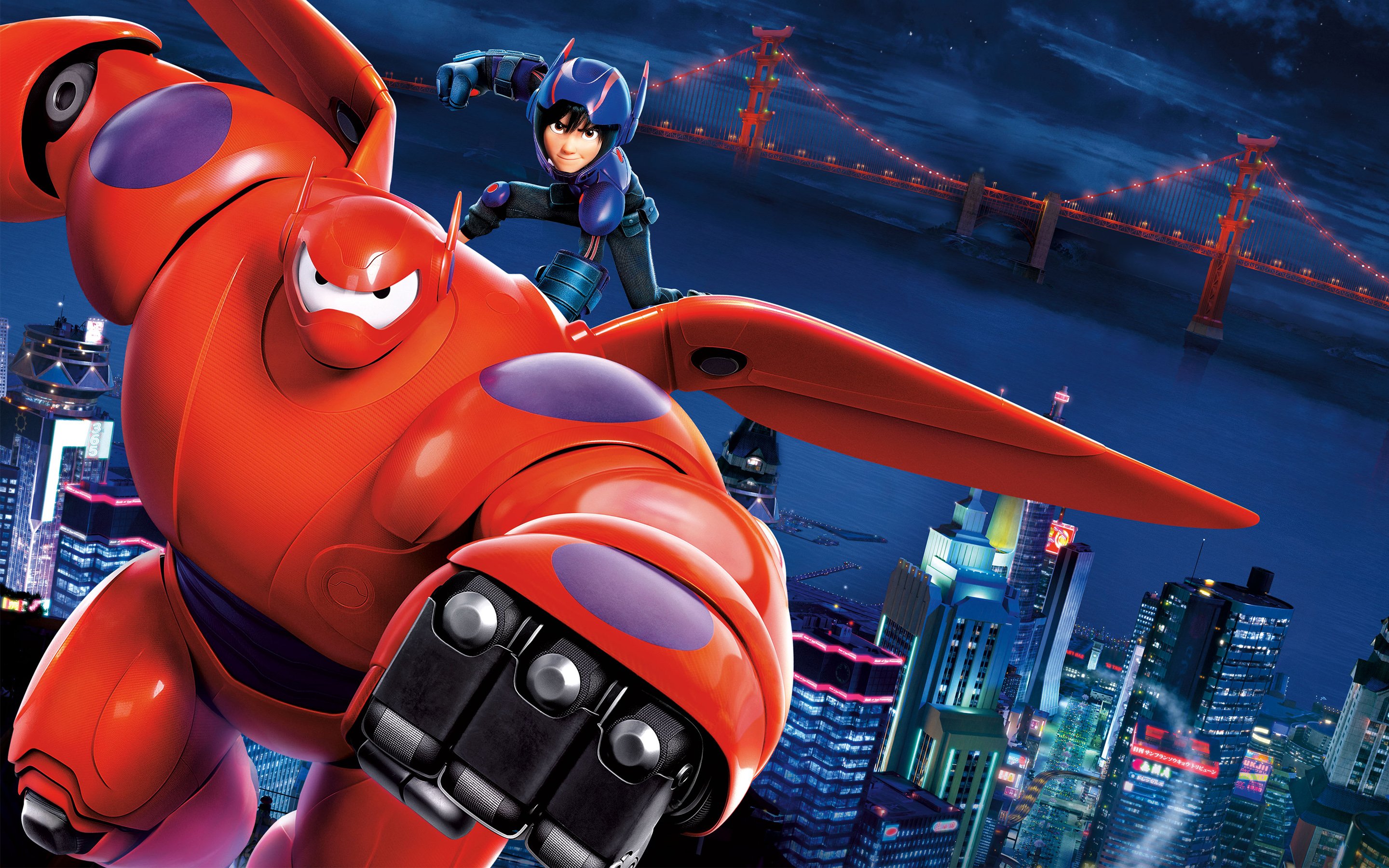
It has been over a decade since a giant, inflatable marshmallow waddled into the hearts of audiences, yet people are still asking when we’re getting a theatrical sequel. Honestly, it’s a bit weird. Big Hero 6 was massive when it hit theaters in 2014, eventually raking in over $657 million and snagging the Oscar for Best Animated Feature. But despite the money and the accolades, it often feels like the "middle child" of the Disney Revival era, tucked away between the cultural juggernaut of Frozen and the clever world-building of Zootopia.
Most fans don't realize how close we came to never seeing this version of the story. If you look at the original Marvel source material, the movie we got is almost unrecognizable.
The Marvel Roots Nobody Remembers
When Disney bought Marvel in 2009, everyone assumed they’d just make more Avengers or Spider-Man movies. Instead, director Don Hall went digging through the deep, dusty archives of obscure Marvel properties. He found a 1998 comic by Steven T. Seagle and Duncan Rouleau. It was... different.
In the comics, the team was a government-sanctioned group of Japanese superheroes. Silver Samurai was a member. So was Sunfire. Those characters were tied up in licensing deals with Fox at the time because of their X-Men connections, so Disney basically had to strip the house down to the studs.
The comic version of Baymax wasn’t a "huggable" healthcare companion. He was a "synthformer"—a shapeshifting robotic bodyguard that could turn into a terrifying dragon-like creature. He was also programmed with the brain patterns of Hiro’s deceased father. It was dark. It was heavy. And it definitely wasn't "Disney."
San Fransokyo: Not Just a Cool Name
One of the most impressive things about Big Hero 6 is the city itself. San Fransokyo isn't just a background; it’s a masterclass in architectural "mashup" culture. The production team used a specialized rendering tool called Hyperion to manage the sheer scale of the city.
Basically, they took the topographical map of San Francisco and layered it with the dense, neon-soaked aesthetic of Tokyo. Look closely at the bridge during the flight sequences. It looks like the Golden Gate, but the towers are shaped like torii gates. Every manhole cover and street sign was designed to feel like a legitimate fusion of two worlds.
The Science of "Soft Robotics" is Real
You might think Baymax’s inflatable design was just a clever way to make a toy-friendly character. It wasn't. Don Hall actually visited Carnegie Mellon University’s Robotics Institute and met researcher Siddharth Sanan.
Sanan was working on "soft robotics"—using inflatable vinyl arms for healthcare because metal robots are, well, dangerous to humans. If a 400-pound metal robot malfunctions while helping you out of bed, it’s a disaster. If an inflatable one does? It’s just a minor inconvenience.
- The Vinyl Fact: The movie’s team was so obsessed with realism they studied how light passes through thin, white vinyl (subsurface scattering) just to make Baymax look authentic.
- The Sound of a Hug: To get Baymax’s specific movement sounds, the foley artists used the sound of rubbing a balloon and the "swish-swish" of a windbreaker jacket.
Why the Sequel Isn't Happening (In Theaters)
People keep waiting for Big Hero 7 or whatever they’d call it. Here’s the reality: Disney usually leaves the decision for a sequel up to the original director. Producer Roy Conli has gone on record saying he "secretly urges" Don Hall to do it, but Hall is often more interested in original stories like Strange World.
Besides, we actually did get sequels. They just weren't in theaters.
- Big Hero 6: The Series: This ran for three seasons and picked up right where the movie left off. It switched to traditional 2D animation, which honestly fits the comic book vibe better.
- Baymax! (2022): A series of shorts on Disney+ that returned to the high-end CGI of the film. It focused on Baymax actually doing his job as a nurse in the city.
What We Can Learn from Hiro Hamada
Hiro’s journey isn't really about fighting a guy in a Kabuki mask. It’s a pretty raw look at the stages of grief. Most "kids' movies" shy away from the anger that comes with loss. Hiro doesn't. He actively tries to turn his healthcare robot into a murder machine because he’s hurting.
The "villain," Professor Callaghan, is just a dark mirror of Hiro. They both lost someone they loved (Tadashi and Abigail) and allowed that pain to justify destruction. The movie argues that the only way to heal isn't through vengeance, but through the legacy of the person you lost. Baymax is that legacy.
Actionable Takeaways for Fans
If you're looking to dive deeper into this world or the tech behind it, here is what you should actually do:
- Watch "Baymax Returns": This is the pilot movie for the TV series. It explains how Hiro rebuilt the Baymax chip and is officially canon.
- Research Soft Robotics: Look up the work at CMU or the Wyss Institute. The "Baymax tech" is actually being used in physical therapy and elderly care today.
- Look for the Easter Eggs: Next time you watch, look for the statue Fred’s dad has. It’s a character from Wreck-It Ralph. Also, check out the "Wanted" posters in the police station—you’ll see Prince Hans from Frozen.
Big Hero 6 succeeded because it balanced high-concept sci-fi with very messy, very human emotions. It wasn't just a Marvel movie with a Disney coat of paint; it was a story about how we carry the people we've lost. If you haven't revisited San Fransokyo lately, do yourself a favor and go back. Just make sure you have some tape for any "low battery" situations.
Next Steps for Your Rewatch: Check out the Baymax! shorts on Disney+ to see how the animation tech has evolved since 2014, then look for the original 1998 comic issues if you want to see the "scary" version of the team that started it all.