You’re standing by a murky canal in the Everglades, or maybe just scrolling through a viral TikTok from a golf course in South Carolina, and you see that armored, prehistoric shape gliding through the water. It's a "gator." We call them that like they're our neighbors, which, depending on where you live, they kinda are. But what is an alligator when you strip away the monster-movie tropes and the "Florida Man" headlines?
They're survivors.
They’ve been around in some form for about 37 million years. Think about that. While our ancestors were barely figuring out how to be primates, the alligator was already perfected. It’s a crocodilian, sure, but it’s a specific branch of the tree that has outlasted ice ages and outcompeted predators that were twice its size. If you want the short version, an alligator is a large, semi-aquatic reptile belonging to the genus Alligator within the family Alligatoridae. But that's a textbook answer. The real story is in the way they breathe, the way they parent, and the way they can crush a turtle shell like it’s a potato chip.
The Snout Tells the Secret
Most people get them mixed up with crocodiles. Honestly, it’s an easy mistake to make if you aren’t looking closely, but once you know what to look for, the difference is glaring. Look at the face.
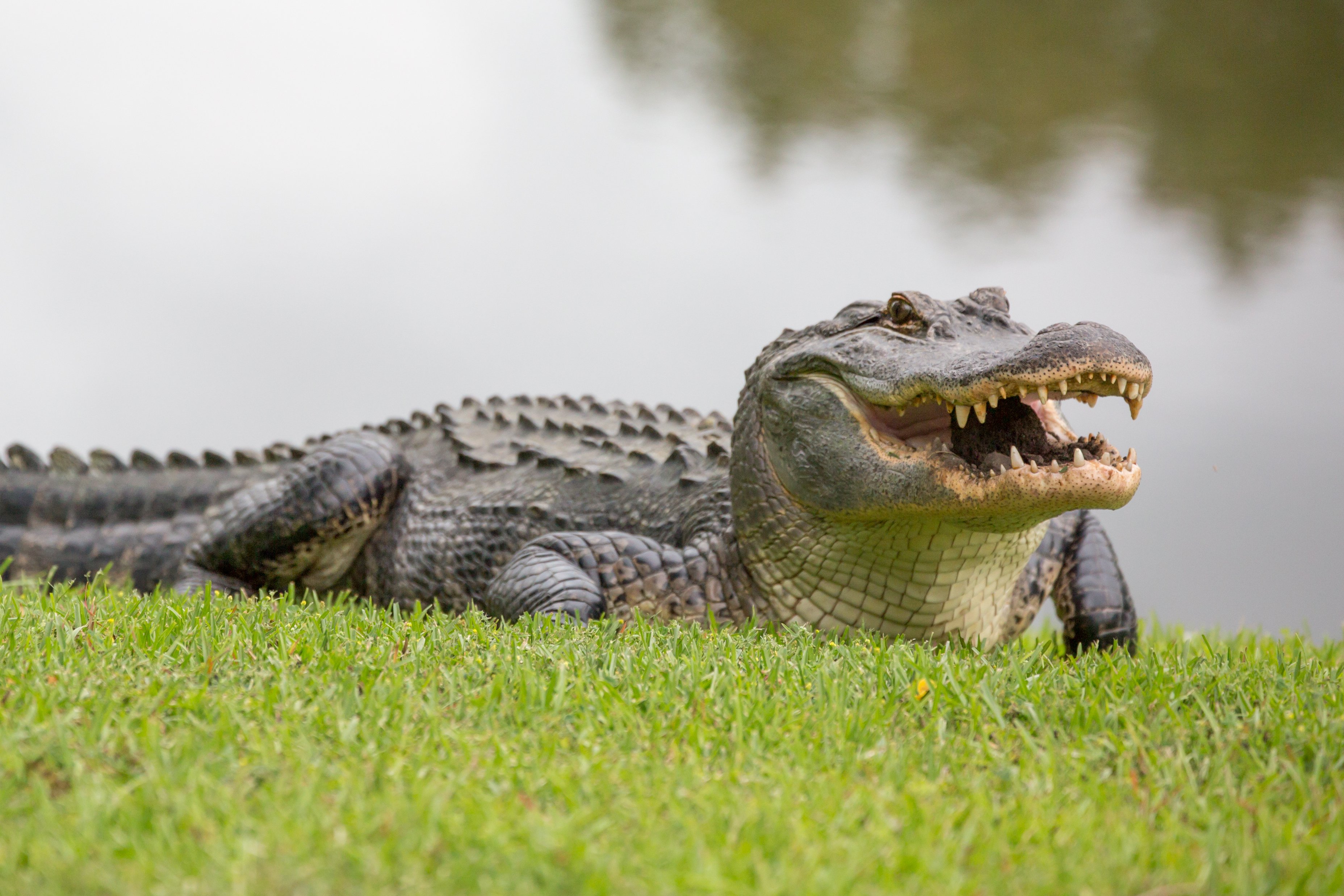
An alligator has a wide, U-shaped snout. It’s built for power. If a crocodile’s snout is a needle-nose plier, the alligator’s is a sledgehammer. This shape is a massive evolutionary advantage for their specific diet. Because they spend so much time in freshwater environments where prey often has hard shells—think turtles or snails—that broad snout provides the structural integrity needed to apply thousands of pounds of pressure without snapping their own jaws.
Then there’s the teeth. This is the "grin" test. When an alligator closes its mouth, you generally only see the upper teeth pointing down. The lower teeth are tucked away into neat little pockets in the upper jaw. It’s a much "cleaner" look than the messy, snaggle-toothed overbite/underbite combo of a crocodile.
Where They Actually Live (And Why It Matters)
There are only two species of alligator left on Earth. That’s it. Just two.
You have the American alligator (Alligator mississippiensis), which is the one you see on National Geographic, and the Chinese alligator (Alligator sinensis), which is critically endangered and significantly smaller. The American variety dominates the Southeast United States, from the dismal swamps of North Carolina all the way down to the tip of Texas. They love freshwater. While crocodiles have specialized salt glands on their tongues that let them filter out brine, alligators don't have that gear. They can tolerate brackish water for a bit—you might see one in a salt marsh or even briefly on a beach—but they have to head back to the fresh stuff eventually or they’ll dehydrate.
This habitat preference shapes everything they do.
They are the architects of the swamp. During droughts, alligators use their tails and snouts to dig out "gator holes." These aren't just for them. These depressions hold water when everything else dries up, providing a lifeline for fish, birds, and other reptiles. In the ecology world, we call them a "keystone species." If you remove the alligator, the whole swamp ecosystem starts to unravel because those watering holes disappear.
Cold-Blooded Engineering
Let’s talk about the "cold-blooded" label. It sounds like they’re just lethargic lumps of leather, but that’s a misunderstanding of ectothermy. Being ectothermic just means they don't burn calories to create body heat. They get it from the sun.
This makes them incredibly efficient.
A large male alligator can go months without a significant meal because he isn't wasting energy keeping his blood at 98.6 degrees. He just finds a nice log, soaks up the UV rays, and waits. But don't let the basking fool you. When they need to move, they can hit speeds of 20 to 30 miles per hour in short bursts on land. It's a gallop. It looks awkward, but it's terrifyingly effective. In the water, they are pure liquid muscle. Their tail is a giant sculling oar that provides almost all the propulsion, while their legs tuck in tight to stay hydrodynamic.
The Bite Force Reality
$2,125$ psi.
That is the recorded bite force of an American alligator measured by Dr. Gregory Erickson and his team. For context, a human bites at about 150 psi. A Great White shark? Maybe 4,000 psi, but they're much bigger. Pound for pound, the alligator has one of the most powerful grips in the animal kingdom.
But here is the weird part: while the muscles that close the jaw are insanely strong, the muscles that open them are incredibly weak. A human can literally hold an alligator’s mouth shut with their bare hands. Disclaimer: Please do not try this. Even though the mouth is held shut, the animal still has a tail that can break a person's leg and claws that are meant for digging through mud and cypress roots.
Survival of the Most Attentive
We usually think of reptiles as "lay 'em and leave 'em" parents. Sea turtles bury eggs and head back to the ocean. Snakes usually vanish. Alligators are different.
Mother alligators are surprisingly tender. They build massive mounds of rotting vegetation that act like natural incubators. As the plants decay, they give off heat, which keeps the eggs warm. The temperature of the nest actually determines the sex of the babies. If it’s hot, you get males. If it’s cooler, you get females.
Once the "grunts" start—that’s the actual sound the babies make inside the shell—the mother digs them out. She’ll gently crack the eggs in her mouth and carry the hatchlings down to the water in her throat. She stays with them for up to a year, sometimes longer. If a raccoon or a large bird tries to snag a baby, they have to deal with several hundred pounds of angry mother. It’s one of the few instances of complex parental care in the reptile world.
Misconceptions That Get People Hurt
We need to clear some things up. First, the "zig-zag" thing. People always say if a gator chases you, run in a zig-zag.
Don't do that.
Alligators are sprinters, not marathon runners. If one is coming at you, just run straight and run fast. Zig-zagging just keeps you in their strike zone longer and makes you more likely to trip. They aren't going to chase you for a mile; they want an easy ambush, not a track meet.
Second, the idea that they are "man-eaters" is statistically overblown. Yes, they are apex predators. Yes, they are dangerous. But they generally want nothing to do with humans. Most bites happen because people are feeding them, which removes their natural fear of humans, or because someone is swimming in "gator water" during twilight hours when the animals are most active. They see a splash and think "deer" or "dog," not "human."
Why the Alligator Still Matters
In the 1960s, the American alligator was on the brink of extinction. Hunting and habitat loss had gutted the population. But then we did something rare: we actually protected them.
The Endangered Species Act worked. By the late 80s, they had bounced back so well that they were removed from the list. Today, they are a massive part of the economy in states like Louisiana and Florida through controlled hunting, farming, and tourism. They are a success story in a world where those are hard to find.
They are also biological indicators. Because they live so long—sometimes 50 years or more in the wild—and sit at the top of the food chain, their health reflects the health of the water. If the gators are struggling, the water is toxic.
Actionable Insights for Coexisting
If you live in or are visiting "gator country," you've got to be smart. It’s their world; we’re just visiting the suburbs.
- Keep your distance. A good rule of thumb is the "rule of thumb." Hold your thumb out at arm's length. If it doesn't completely cover the alligator, you're too close.
- Keep pets away from the water’s edge. To an alligator, a golden retriever looks exactly like a delicious, medium-sized mammal. They don't distinguish between "pet" and "prey."
- Never feed them. This is the big one. Feeding an alligator is essentially a death sentence for the animal. Once they associate humans with food, they become "nuisance gators" and usually have to be euthanized by wildlife officials.
- Watch the clock. Avoid swimming in lakes or rivers in the Southeast between dusk and dawn. This is their prime hunting time, and your visibility is at its lowest.
What is an alligator? It’s a living relic. It’s a neighbor that demands respect but doesn't necessarily want a fight. It’s a master of its environment that has survived for millions of years by being patient, powerful, and surprisingly adaptable. Whether you find them fascinating or terrifying, there's no denying they are one of the most successful designs nature ever produced.
If you find yourself near a freshwater bank in the South, keep your eyes on the waterline. Look for the two eyes and the snout poking up. That’s not a log. That’s thirty million years of evolution looking back at you. Respect the distance, appreciate the history, and keep your dog on a leash.
To learn more about local wildlife safety, check your state's Fish and Wildlife Commission website for specific maps of high-activity areas. If you spot a gator in a residential pool or a high-traffic public area, call a licensed nuisance alligator trapper rather than attempting to move it yourself.