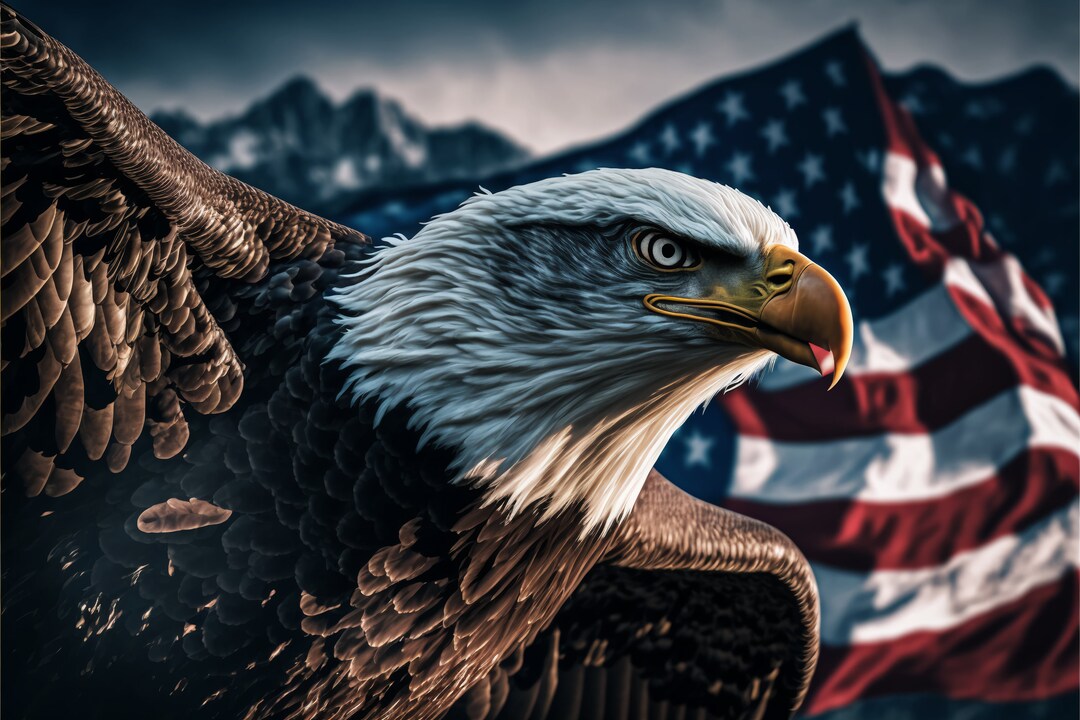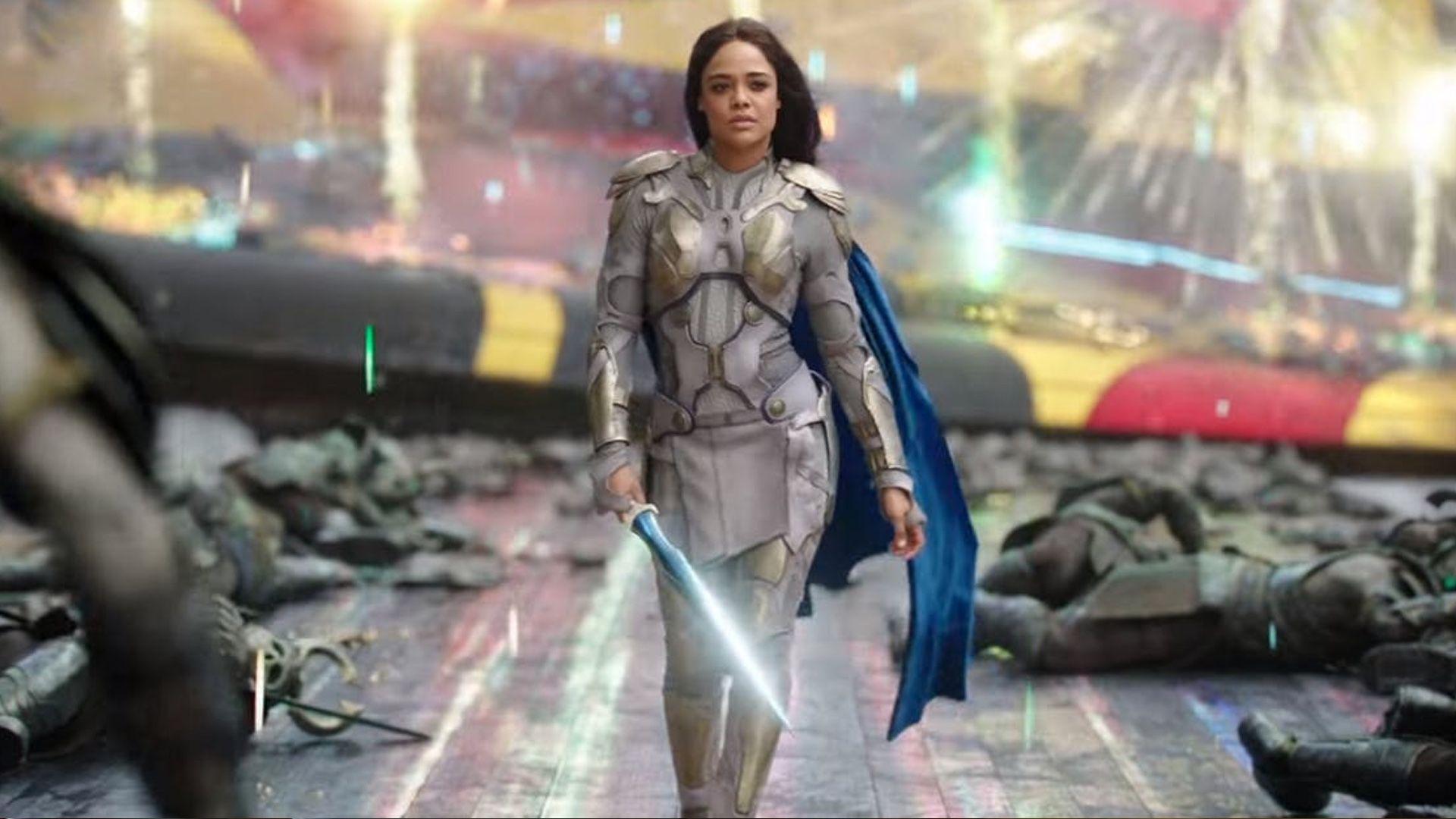
You’ve probably seen them in Marvel movies or played as one in Apex Legends. They’re usually depicted as beautiful, winged women wearing shiny chrome armor, flying over battlefields to rescue the fallen. It’s a clean, heroic image. But honestly? The original Norse version was way more metal—and a lot more terrifying. If you’re asking what does valkyrie mean, you’re stepping into a world of ancient Germanic folklore that’s less "superhero" and more "supernatural executioner."
The word itself comes from the Old Norse valkyrja. If we break that down, valr refers to the slain on a battlefield, and kyrja comes from the verb kjósa, which means "to choose."
So, literally? They are the "choosers of the slain."
They weren't just picking up bodies like a medieval ambulance service. They were deciding who lived and who died in the heat of the struggle. Imagine being a Viking warrior in the middle of a shield wall, sweat stinging your eyes, and catching a glimpse of a woman on a wolf—not a horse, often a wolf—deciding that today is the day you stop breathing. That’s the raw, unedited version of the myth.
The Bleak Reality of the Choosers
Most people think of Valkyries as Odin's handmaidens. While that’s true in the later sagas, the earlier poems like the Völuspá paint a different picture. These weren't just servants; they were powerful, independent entities associated with fate.
They’re basically the executive branch of the Norns (the goddesses of destiny). If the Norns wove the tapestry of your life, the Valkyries were the ones who finally cut the thread.
In some of the darker, older poems, like Darraðarljóð found in Njál's Saga, the Valkyries are described sitting at a loom. But they aren't using wool. They’re using human guts for yarn, severed heads for weights, and swords for beaters. They’re literally weaving the outcome of the Battle of Clontarf. It’s a far cry from the blonde, braided women singing opera in Wagnerian plays.
Where did the wings come from?
Actually, the wings are mostly a Victorian-era invention. In the original texts, Valkyries usually rode horses. Sometimes those horses could fly through the "air and sea," but the women themselves didn't have feathers growing out of their backs. They wore helmets, carried spears, and wore corslets of chainmail. The "winged woman" look we see in modern tattoos and movies is largely a result of 19th-century artists mashing them up with Christian angels.
Why Odin Needed an Army
The whole point of the Valkyries’ job was recruitment. Odin was obsessed with the end of the world—Ragnarök. He knew a massive fight was coming against the giants and the fire-demon Surtr, and he needed the best warriors in his corner.
So, he sent the Valkyries to the front lines.
When a warrior died bravely, the Valkyrie would escort their soul to Valhalla, the "Hall of the Slain" in Asgard. This is the part everyone knows. But here’s the kicker: only half of the dead went to Odin. The other half went to Fólkvangr, a field ruled by the goddess Freyja.
Freyja actually got first pick.
It’s a detail that often gets skipped in pop culture, but it shows that the Valkyries were part of a complex divine bureaucracy. In Valhalla, the warriors (called the Einherjar) would fight each other all day and feast all night. The Valkyries shifted roles here, trading their spears for drinking horns to serve mead. This transition from "battlefield executioner" to "celestial waitress" is one of the more debated aspects of Norse mythology among scholars like Rudolf Simek or Hilda Ellis Davidson. Some see it as a degradation of their power, while others see it as a symbol of the Valkyries' role in maintaining the social order of the afterlife.
Famous Valkyries You Should Know
Not all Valkyries were nameless background characters. Some had distinct personalities and tragic love stories that inspired centuries of literature.
Brynhildr (Brunhild) Probably the most famous of them all. In the Völsunga saga, she defies Odin’s will, so he punishes her by pricking her with a "sleep thorn" and surrounding her with a wall of fire. Only a hero who knows no fear (Sigurd/Siegfried) can cross the flames. It’s a heavy, dramatic story about betrayal, memory loss, and eventually, a double suicide. It’s the primary source material for Wagner’s Ring Cycle.
Sigrún Her story is found in the Poetic Edda. She’s a Valkyrie who falls in love with the hero Helgi. Even after he dies, she visits him in his burial mound. It’s a hauntingly beautiful story that blurs the lines between a goddess and a human woman.
Hildr Her name literally means "battle." She has the power to resurrect the dead. In the legend of the Hjaðningavíg, she uses her magic to bring back the fallen every night so they can fight the same battle forever. It’s a recursive loop of violence that perfectly captures the "war-hungry" nature of these figures.
How the Meaning Has Shifted Over Time
Languages evolve. Today, if you name your daughter Valkyrie, you aren’t thinking about "gut-looms" and "wolf-riders." You’re thinking of strength, independence, and protection.
The term has migrated from a specific religious figure to a broader archetype of the "shield-maiden." While shield-maidens (skjaldmær) were likely real-life Viking women who took up arms, Valkyries remained the supernatural version of that ideal.
In modern gaming, particularly God of War (2018), we see a return to the "scary" Valkyrie. These boss fights portrayed them as incredibly fast, lethal combatants who demanded respect. They weren't just prizes to be won; they were forces of nature that had to be contained. This version is much closer to the Old Norse mindset where a Valkyrie appearing was a moment of profound terror and awe.
Valkyries in the Military
The name has also been adopted by real-world tech and military operations. You have the XB-70 Valkyrie, a supersonic bomber prototype, and various drone programs. The "choosers of the slain" metaphor works pretty well for a high-altitude bomber, honestly. Even Operation Valkyrie—the famous plot to assassinate Adolf Hitler—used the name. It’s a name that implies a decisive, often violent, intervention in the course of history.
What People Often Get Wrong
There's a bunch of misinformation floating around. Let's clear some up.
- They weren't angels. They didn't care about "good" or "evil" in a moral sense. They cared about bravery and martial skill. You could be a total jerk, but if you died with a sword in your hand, you were Valhalla material.
- They didn't live in Valhalla. Usually, they are depicted living in the "wing of the gods" or traveling between worlds.
- They weren't always female. Wait—actually, they were. Unlike many other Norse figures who could shape-shift or flip genders, Valkyries are consistently described as female. However, their femininity was tied to the "fury of war" rather than domesticity.
Why Valkyries Still Matter in 2026
We’re still obsessed with them because they represent a specific type of agency. In a world where we often feel like we have no control, the idea of a figure who steps into the chaos of a "battlefield" (whether literal or metaphorical) and decides the outcome is incredibly compelling.
They represent the bridge between life and whatever comes next.
If you're looking for the meaning of valkyrie for a creative project, a tattoo, or just curiosity, remember that it’s a title of immense power. It’s about the authority to make the hard calls. It's about being the one who decides when the story ends.
Deep Dive: The Names of the Valkyries
The names of these figures in Old Norse weren't just random sounds; they were descriptions of war. Understanding these names gives you the best insight into what they actually represented to the people of the Viking Age.
- Gunnr: Simply means "War" or "Battle."
- Göndul: Means "Wand-wielder" (implying magic or sorcery).
- Skuld: Means "Debt" or "Future."
- Hrist: Means "The Shaker" (think of the ground shaking under a charge).
- Mist: Means "Cloud" or "Mist" (the fog of war).
When you look at this list, you realize the Valkyries were personifications of the battlefield experience itself. The noise, the confusion, the suddenness of death, and the "debt" owed to fate.
Actionable Takeaways for Enthusiasts
If you want to explore the concept of Valkyries beyond the surface level, here are the most effective ways to do it without getting lost in "Vikings" TV show fanfiction:
- Read the Poetic Edda: Specifically the Völuspá and Grímnismál. These are the primary sources. Jackson Crawford has a very accessible translation that strips away the flowery Victorian language.
- Visit the National Museum of Denmark: They house the "Valkyrie" silver pendants found in Harby. Seeing how the Vikings actually depicted them (small, metallic figures with shields and long hair) puts the Hollywood version in perspective.
- Study the "Norn" Connection: To understand Valkyries, you have to understand the Norse concept of wyrd (fate). Researching the Norns (Urd, Verdandi, and Skuld) explains why the Valkyries had the "right" to choose who died.
- Distinguish Myths from History: If you're researching for a paper or a book, be careful to separate the Valkyrie (the supernatural entity) from the Shield-maiden (the historical/archeological possibility of female warriors). They overlap in culture but serve different functions in the lore.
The Valkyrie isn't just a girl in a costume. She’s the personification of the moment your luck runs out. She's the "chooser," the one who takes the chaos of death and turns it into a purposeful selection for a higher cause. Understanding that shifts the way you see these figures in every movie, game, and book you encounter from here on out.