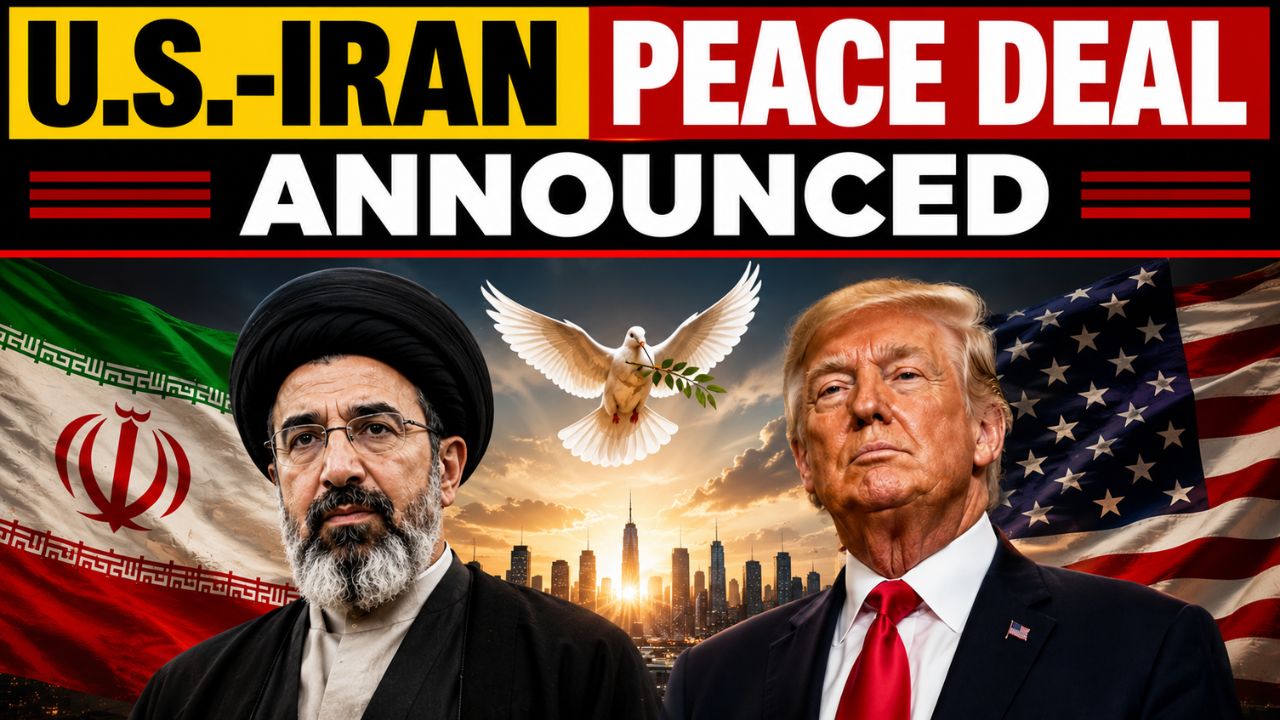
The E4 coalition, consisting of the United Kingdom, France, Germany, and Italy, has announced its readiness to lift economic sanctions on Iran. This sudden diplomatic pivot follows a breakthrough memorandum of understanding between Washington and Tehran designed to halt a devastating four-month war. While Western leaders frame the move as a strategic reward for verified nuclear compliance, the reality is far more pragmatic. Europe is desperate to stabilize global energy markets, secure the immediate reopening of the Strait of Hormuz, and offramp from a regional conflict that threatened to spin entirely out of Western control.
This is not a sudden burst of diplomatic idealism. It is a calculated, high-stakes retreat from an economically ruinous status quo.
The Fine Print of the 60-Day Window
The joint statement issued by the European powers outlines a conditional framework. Sanctions will only dissolve if Tehran executes clear, verifiable steps regarding its nuclear program, overseen by the International Atomic Energy Agency (IAEA).
The architecture of the underlying US-Iran agreement reveals just how much leverage Western powers are conceding to secure a immediate ceasefire. The draft terms include a critical 60-day negotiation period. During this window, Washington has committed to lifting its naval blockade within 30 days and refraining from deploying additional regional forces.
More crucially, the economic relief is front-loaded.
The framework provides for the release of $24 billion in frozen Iranian assets. Half of that massive sum—$12 billion—is slated to become available to Tehran before formal negotiations even begin. This is a massive gamble. Western negotiators are betting that the immediate financial injection will incentivize Iran’s Supreme National Security Council to maintain the peace, but critics argue it surrenders vital leverage before the hard bargaining over centrifuge counts even starts.
The Chokepoint Economy
To understand Europe’s urgency, look at the maritime insurance maps rather than the diplomatic cables. The four-month conflict choked off the Strait of Hormuz, a narrow passage through which roughly a fifth of the world’s petroleum flows. For industrial Europe, already battered by years of energy volatility, the sustained naval blockade was an economic heart attack.
The agreement specifies that the Strait of Hormuz will reopen under Iranian arrangements. For Italy and Germany, dependent on predictable maritime trade routes, getting tankers moving again is a matter of domestic political survival.
The suspension of sanctions will explicitly cover Iranian oil, petrochemical products, and related exports. By allowing Tehran full access to these revenues, Europe is effectively choosing to flood the market with Iranian crude to drive down global energy prices, accepting the geopolitical reality that a contained Iran is preferable to a bankrupt Europe.
Weapons and Proxies Left on the Sidelines
A glaring vulnerability in the newly minted diplomatic framework is what it deliberately omits. According to early drafts of the memorandum, Iran’s ballistic missile program and its sprawling network of regional proxy forces are explicitly excluded from the upcoming negotiations.
This omission is causing severe friction with regional allies, most notably Israel. The agreement mandates an immediate and permanent end to military operations on all fronts, including Lebanon, but it leaves the underlying infrastructure of groups like Hezbollah intact. By narrowing the scope strictly to the nuclear file, the E4 and the United States are choosing a temporary regional freeze over a comprehensive security architecture. It is a triage strategy, treating the immediate bleeding while leaving the chronic illness unaddressed.
The Enforcement Nightmare
Believing that verification will be smooth is wishful thinking. The IAEA has spent years playing a cat-and-mouse game with Iranian scientists. Forcing compliance while billions of dollars are already flowing back into Tehran's coffers will try the patience of even the most seasoned inspectors.
If Iran stalls during the 60-day window, reinstating the sanctions regime—especially secondary sanctions that hurt European businesses—will be politically uphill. European corporations, eager to re-enter a lucrative market of 85 million consumers, will lobby fiercely against any sudden snapback of restrictions.
The memorandum of understanding will be formally signed in Switzerland on Friday, June 19. The clock starts ticking immediately after the ink dries, and the West will quickly discover whether it bought a durable peace or merely financed a temporary pause.