The waiver isn’t there to protect your life. It is there to sell you a ticket.
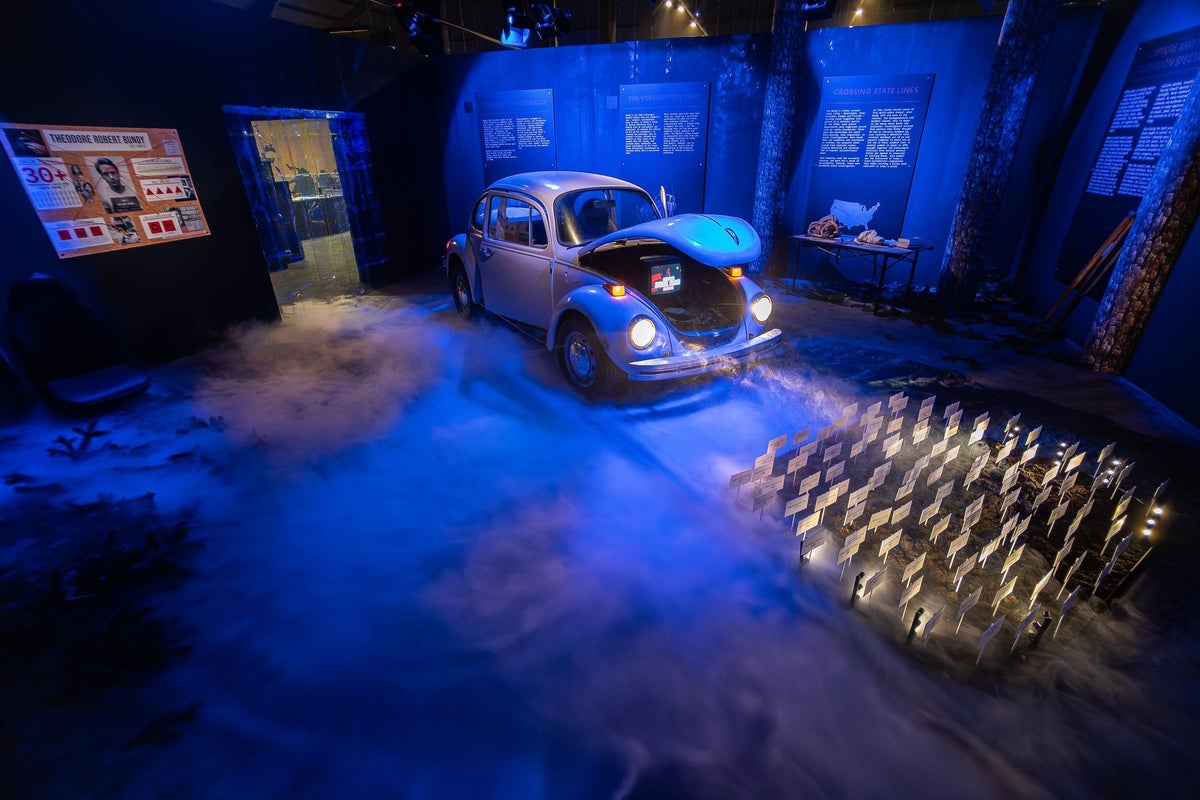
Every few months, a "disturbing" new exhibit or immersive haunt surfaces with a PR campaign built entirely on legal liability. The narrative is always the same: it’s so intense, so psychologically damaging, and so physically grueling that the lawyers had to step in. They want you to believe you are signing away your right to sue for trauma.
In reality, you are signing a permission slip to be bored by a curated simulation.
I have spent fifteen years behind the scenes of high-end production and immersive design. I have seen the insurance premiums. I have read the actual liability clauses. The "chilling" nature of these exhibits is a manufactured consensus designed to bypass your critical thinking and trigger your fight-or-flight response before you even walk through the door. If the experience were actually dangerous, no insurance underwriter on the planet would touch it. The waiver is the most effective piece of copywriting in the modern entertainment industry.
The Liability Illusion
When an exhibit asks you to sign a multi-page document, they are utilizing a psychological tactic known as "high-stakes priming." By the time you reach the first room, your nervous system is already redlining. Every creak of a floorboard is amplified because you’ve been told—legally—that you might not survive the experience emotionally.
Actual legal waivers in the entertainment space are surprisingly narrow. You cannot waive away gross negligence. If a set piece falls on your head because it wasn’t bolted down, that piece of paper you signed in the lobby is worthless in a courtroom. The organizers know this. They aren't worried about the law; they are worried about the "experience economy."
The waiver serves three functions that have nothing to do with safety:
- Exclusivity Signaling: It suggests that the average person cannot handle what is inside. It turns the audience into "survivors" rather than mere spectators.
- Consent as Content: By forcing you to agree to "extreme contact" or "psychological distress," the exhibit shifts the burden of boredom onto you. If you aren't scared, it’s your fault for being desensitized, not their fault for failing to innovate.
- The Forbidden Fruit Effect: Humans are hardwired to want what is restricted. A "dangerous" exhibit is a status symbol.
The Architecture of Controlled Panic
The common misconception is that these exhibits use "new" technology or "groundbreaking" psychological insights. They don't. They use the same sensory deprivation and overstimulation techniques that have been around since the 1970s.
They rely on Infrasound—sound frequencies below the human hearing threshold (typically under 20 Hz). Research by scientists like Vic Tandy has shown that these frequencies can cause feelings of unease, sorrow, or even the perception of "ghostly" figures due to the resonance of the human eye. It’s not "disturbing art"; it’s a biological hack.
They use The Ganzfeld Effect. By subjecting you to unstructured, uniform stimulation (like a solid red light and white noise), your brain cuts off the signals from the retinas. You start to hallucinate. The exhibit isn't showing you something scary; your brain is simply malfunctioning because of sensory starvation.
When you strip away the marketing, these "disturbing" experiences are often just cheap physiological tricks wrapped in a black-tie aesthetic. They aren't challenging your worldview. They are just making you dizzy.
Why We Crave the Fake Trauma
The "lazy consensus" among critics is that these exhibits reflect a darkening of the human psyche or a response to a chaotic world. That is academic fluff.
We flock to these exhibits because our daily lives are too safe. We live in an era of unprecedented physical security and digital sterility. We are desperate to feel a genuine biological response—sweaty palms, dilated pupils, an elevated heart rate—without any actual risk of death or disfigurement.
These exhibits are the "safe rooms" of the soul. They offer the aesthetic of trauma without the consequence of it.
The Cost of Simulated Horror
The real danger isn't the exhibit itself; it’s what these experiences do to art. When "intensity" becomes the primary metric of quality, nuance dies. We stop looking for meaning and start looking for a jolt.
I’ve seen production companies dump $500,000 into a "sensory assault" room while neglecting the narrative arc or the emotional resonance of the piece. They figure if they can make you jump, they don't have to make you think. This is the "jump-scare" school of art, and it’s a creative dead end.
The Truth About the "Waiver-Only" Entry
If you see an exhibit that requires a waiver, look closer at the terms. Usually, the most "dangerous" thing in the contract is a clause regarding your image rights. They want to film your terrified reaction and use it in their next Instagram ad. You aren't the guest; you are the unpaid extra in their promotional video.
Consider the "extreme" haunt industry. Places that claim to kidnap or "torture" participants for hours. When you peel back the curtain, these operations are often run by individuals with zero psychological training, using techniques that would be laughed out of a legitimate clinical setting. They aren't "pushing the boundaries of the human experience." They are LARPing (Live Action Role Playing) as villains because it’s a profitable niche.
Stop Falling for the Hype
The next time a headline tells you an exhibit is "too disturbing for the general public," understand that you are being marketed to.
If you want a truly disturbing experience, don't look for one that requires a waiver. Real horror doesn't ask for your permission. Real art that shakes your foundation doesn't need to dim the lights and play static. It sits with you in the broad daylight.
The waiver is a security blanket for the organizers. It tells them that no matter how mediocre the actual content is, the audience will show up ready to be terrified. They have outsourced the heavy lifting of the imagination to your own anxiety.
Stop paying people to lie to you about how brave you are for sitting in a dark room.
The waiver isn't a warning. It's a confession that the exhibit can't stand on its own without the theater of danger.