You're standing in the kitchen, flour on your hands, and the gingerbread recipe calls for molasses. You check the pantry. Nothing but a sticky ring on the shelf where the jar used to be. It’s a classic baking disaster. Most people think they have to run to the store immediately, but honestly, using a brown sugar substitute for molasses is often the smartest move you can make when you're in a pinch. It isn't just a "good enough" swap; in many cases, it actually produces a texture that some people prefer over the heavy, sulfurous bite of the real thing.
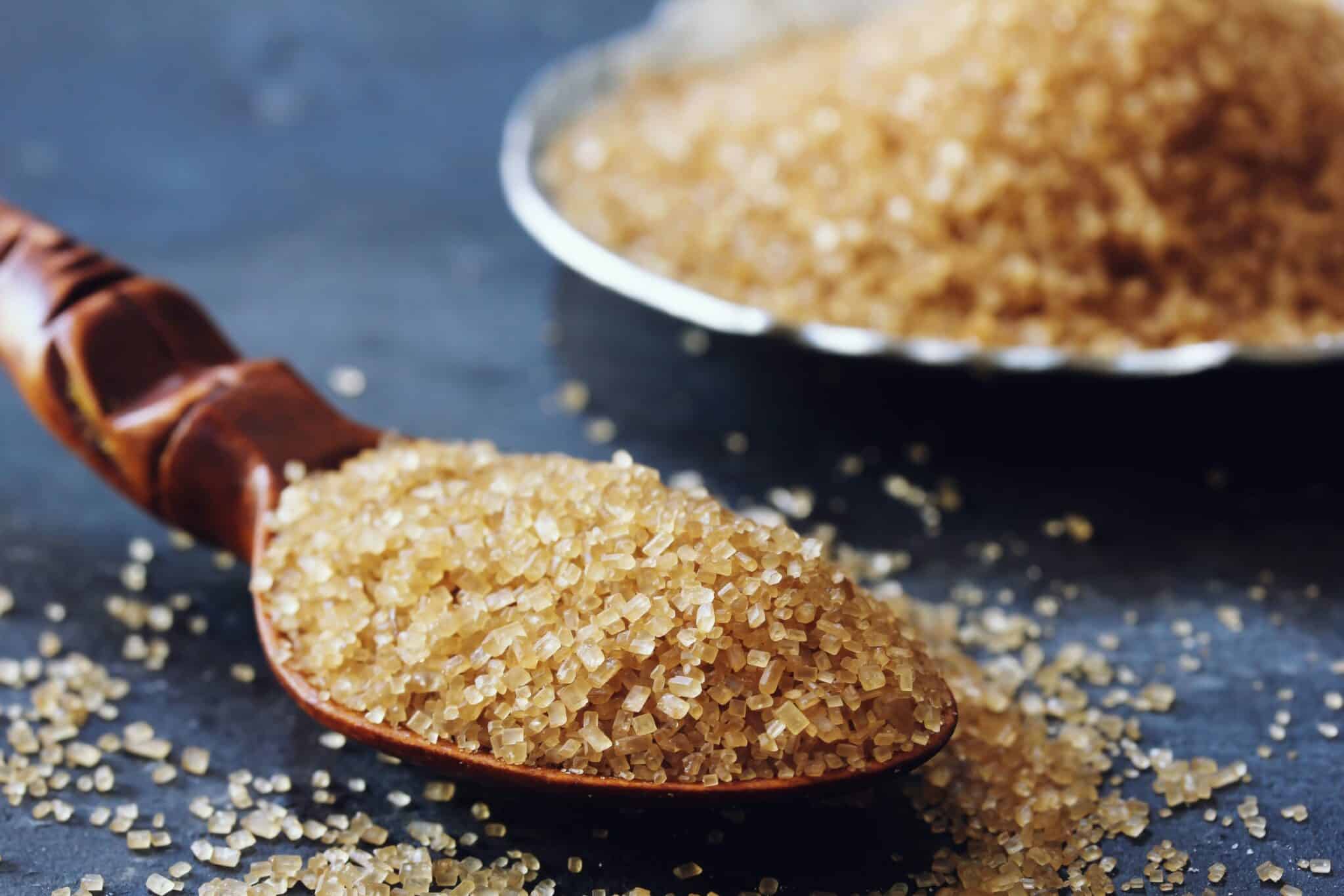
The chemistry of baking is finicky. You can't just swap liquid for dry without a plan. Molasses is basically the concentrated byproduct of sugar refining, full of moisture and acidity. Brown sugar, on the other hand, is just granulated sugar with a bit of that molasses sprayed back onto it. If you’re trying to use brown sugar to replace that deep, dark liquid, you’re essentially working backwards through the refining process. It works, but you’ve got to know how to adjust the moisture.
The Science of the Brown Sugar Substitute for Molasses
The main reason recipes call for molasses isn't just for that "old-timey" flavor. It’s about the pH level. Molasses is acidic. When that acid hits baking soda, it creates carbon dioxide bubbles. That’s what makes your cookies rise and gives them that soft, chewy interior. Brown sugar is also acidic because of its molasses content, but it's much less potent.
If you’re swapping a cup of molasses for a cup of packed brown sugar, you’re losing a significant amount of liquid. Roughly 20% of molasses is water. If you don't account for that, your cake will come out of the oven feeling like a brick. It'll be tasty, sure, but the crumb will be tight and dry. I usually recommend adding a tablespoon or two of liquid—milk, water, or even melted butter—for every cup of brown sugar you use to keep the hydration levels in check.
Why Dark Brown Sugar Wins Every Time
If you have a choice between light and dark brown sugar, go dark. Always. Dark brown sugar contains about 6.5% molasses, whereas light brown sugar only has about 3.5%. That might not sound like a huge difference, but in the world of flavor profiles, it’s massive. You want that hit of caramel and smoke.
Stella Parks, the legendary pastry chef and author of Bravetart, has often discussed how the acidity in different sugars affects the "spread" of a cookie. Using a brown sugar substitute for molasses will generally result in a cookie that spreads a bit less and stays thicker. Some people actually prefer this because it leads to a more "bakery-style" appearance rather than a flat, lacy disc.
Don't Forget the Spices
Molasses has a very specific, slightly bitter edge. Brown sugar is just sweet. If you make the swap without adjusting your spice cabinet, the dish might end up tasting a bit one-note. Think about "cloying" sweetness—that’s what you’re trying to avoid.
To mimic the complexity of molasses when using brown sugar:
- Add an extra pinch of cloves or allspice.
- Increase the cinnamon by about 25%.
- Consider a tiny drop of balsamic vinegar or black coffee to add that missing bitterness.
- A half-teaspoon of ginger can help bridge the gap in savory-sweet recipes like baked beans.
Is Honey or Maple Syrup Better?
People always ask if they should use honey instead. Honey is a liquid, so it solves the moisture problem, but it tastes like... well, honey. It lacks the deep, malty notes of molasses. Maple syrup is even thinner and can make a batter too runny.
Honestly, the brown sugar substitute for molasses is more reliable because the flavor profile is in the same family. If you use honey, your gingerbread will taste like a honey cake. That’s fine if that’s what you want, but it isn't a "true" substitute. If you're really desperate and only have white sugar, you can actually make a DIY brown sugar by mixing a little bit of any liquid syrup you have into the white crystals, but at that point, you're better off just using the brown sugar directly.
Dealing with the Texture Shift
Let's talk about the "crunch factor." Molasses is a humectant. It attracts water. This is why molasses cookies stay soft for days on end. Brown sugar does this too, but to a lesser degree. If you use the brown sugar swap, your baked goods will likely have a slightly crispier edge.
For many, this is a win. That caramelized, crunchy perimeter on a ginger snap is the best part. However, if you're making a soft loaf cake, you might want to wrap it in plastic wrap while it’s still slightly warm to trap the steam and keep the crust from getting too tough.
What Most People Get Wrong About Substitutions
The biggest mistake is the 1:1 ratio. People think "one cup of liquid = one cup of dry." It doesn't work that way in the oven. When you use brown sugar as a substitute, you are increasing the total sugar solids in the recipe.
Sugar is a tenderizer. Too much of it interferes with gluten development. If you replace molasses with an equal volume of brown sugar, you might find that your cake doesn't have enough structure to hold itself up, and it could collapse in the center. To avoid this, I usually suggest reducing the brown sugar by about 2 tablespoons per cup and making up that volume with a liquid.
Real-World Testing: The Baked Bean Scenario
It isn't all about cookies. Molasses is the backbone of Boston baked beans. If you’re using a brown sugar substitute for molasses here, you really have to watch the burning point. Molasses can handle long, slow heat. Brown sugar has a tendency to scorch if it’s sitting at the bottom of a heavy pot for eight hours.
When making beans, I suggest stirring the brown sugar in toward the middle of the cooking process rather than at the very beginning. This prevents the sugar from caramelizing too hard and sticking to your Dutch oven. You'll still get that rich, mahogany color, but without the "burnt hair" aftertaste that comes from scorched sucrose.
The Role of Baking Soda
Remember what I said about pH? If your recipe relies heavily on baking soda to rise, and you switch to brown sugar, you might want to add a tiny splash of lemon juice or cream of tartar to the mix. This replaces the "acidic kick" that molasses usually provides. Without it, the baking soda won't fully react, and you might end up with a slightly soapy taste—that’s the unreacted alkaline soda lingering in your mouth.
Practical Steps for a Successful Swap
Stop worrying about ruining the recipe. It’s almost impossible to completely fail as long as you pay attention to the dough's consistency. If it looks too dry, add liquid. If it looks too wet, add a dusting of flour.
- Use 1 cup of packed dark brown sugar for every 1 cup of molasses called for.
- Add 2 tablespoons of liquid (water or milk) to the recipe to compensate for the lost moisture.
- If the recipe uses baking soda, add 1/4 teaspoon of lemon juice to ensure it bubbles up properly.
- Increase your "warm" spices—cinnamon, ginger, and cloves—by a small margin.
- Watch the oven temperature. Brown sugar browns faster than molasses, so check your bake 5 minutes earlier than the recipe suggests.
By following these adjustments, you won't just survive a missing ingredient; you might actually find a version of the recipe that your family likes better. The texture will be lighter, the flavor will be a bit more approachable, and you won't have to deal with that sticky molasses jar ever again.