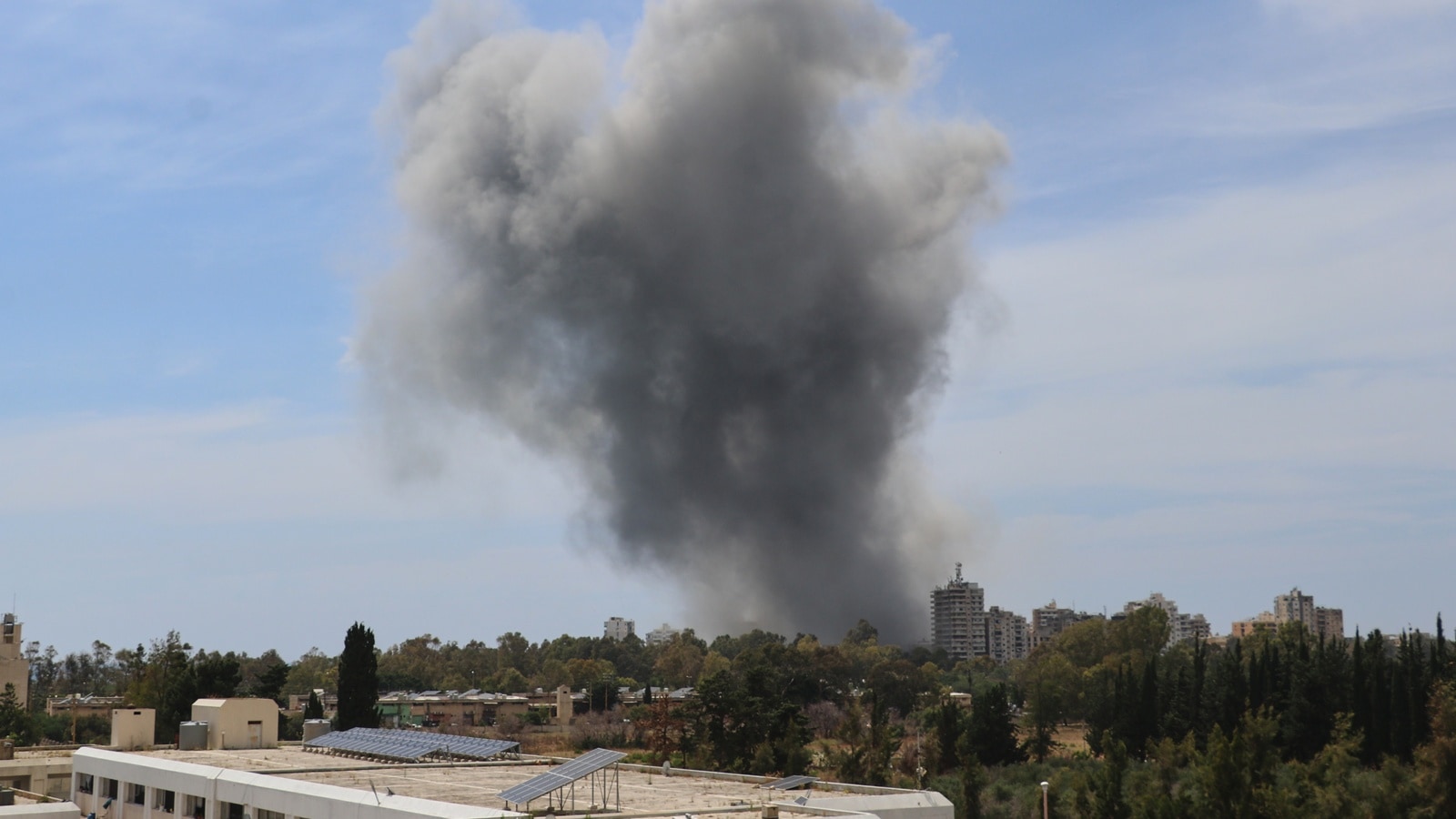
The fragile truce between Washington and Tehran didn't even last three months. Over the weekend, the illusion of a diplomatic breakthrough in West Asia shattered completely. US fighter jets hammered Iranian military infrastructure in southern Iran, and hours later, Iranian ballistic missiles tore through the sky toward a major American asset in Kuwait.
If you're tracking the markets, you already know the result. Brent crude shot up over 3% to hit $94 a barrel almost instantly. This isn't just another routine skirmish. The direct exchange of fire marks a dangerous breakdown of the April ceasefire agreement. It shows how incredibly thin the margin for error is right now.
The Spark in southern Iran
What actually triggered this specific round of violence? According to US Central Command (Centcom), the trouble started when Iranian forces launched five one-way attack drones near the Strait of Hormuz and shot down an American drone operating over international waters.
The US response was swift and heavy. American fighter jets targeted radar networks, drone ground control stations, and air defense systems on Qeshm Island, Goruk, and the strategic port city of Bandar Abbas. Washington claimed these strikes were measured, defensive, and meant to preserve the maritime status quo.
Tehran saw it as an act of war. The Iranian Foreign Ministry immediately called the American strikes an outright violation of the truce, asserting their right to defend national sovereignty.
The Retaliation Against Ali Al Salem Air Base
Iran didn't wait long to punch back. The Islamic Revolutionary Guard Corps (IRGC) launched a Fateh-110 ballistic missile targeting the Ali Al Salem Air Base in Kuwait, which serves as a crucial hub for US Army Central forward operations.
While Kuwaiti air defense systems intercepted the missile, the fallout was severe.
- Drone Fleet Hit: Falling debris destroyed one MQ-9 Reaper drone and heavily damaged another. Each of these unmanned aircraft costs roughly $30 million.
- Personnel Injured: At least five people, including US service members and contractors, suffered injuries.
- Diplomatic Fallout: Kuwait aggressively condemned the strike, calling it a criminal attack on its sovereign territory.
The Deal on the Table vs. Reality on the Ground
The timing of this escalation couldn't be worse. A White House Situation Room meeting wrapped up without a formal announcement on a 60-day ceasefire extension. This happened right after President Donald Trump posted on Truth Social that Iran "really wants to make a deal."
The actual framework being debated behind closed doors is massive. It requires Iran to reopen the Strait of Hormuz, halt its nuclear weapons program, and sit down for long-term negotiations. In exchange, the US would ease its tight naval blockade and offer phased sanctions relief.
But talk is cheap when missiles are flying. Tehran is watching the US-backed Israeli military offensive deepen in southern Lebanon against Hezbollah. Iranian negotiators are arguing that the ongoing naval blockade and the escalating situation in Beirut prove the US isn't acting in good faith. They view regional pressures as a single, connected conflict.
High Stakes for Global Supply Chains
You can't separate this military friction from the global economy. The Strait of Hormuz is the world's most critical oil transit chokepoint. When Iran blocks it, or when the US enforces a counter-blockade, global trade panics.
We're already seeing shipping routes divert, adding massive fuel and insurance costs to global freight. If these retaliatory strikes expand from military bases to energy infrastructure, $94 oil will look cheap very quickly.
To understand where this heads next, look at the upcoming Pakistani-mediated talks. If negotiators can't secure a concrete timeline for easing the naval blockade and guaranteeing maritime security, the current ceasefire framework will collapse entirely. Keep a close eye on regional defense posture changes over the coming days, as further deployment of US carrier strike groups will signal whether Washington expects a prolonged conflict.