The world is holding its breath as negotiators sit down in Islamabad, but don't get your hopes up for a quick fix. If you've been watching the headlines, you know the vibe is tense. We're talking about a conflict that has already spiked oil prices to $126 per barrel and seen the literal assassination of a Supreme Leader.
You're probably wondering why, after all the strikes and the back-channel talk, these two sides can't just agree to stop the madness. It boils down to three massive friction points that make a handshake feel like a fantasy: the "nuclear dust" Iran is sitting on, a sanctions web that's nearly impossible to untangle, and a 21-mile-wide stretch of water that could bankrupt the global economy.
The 60 Percent Problem and the Battle Over Nuclear Dust
Let’s be real: Iran is closer to a bomb than it’s ever been. They aren’t just dabbling in low-level enrichment for power plants anymore. According to recent IAEA data, Tehran has stockpiled over 440 kg of uranium enriched to 60%. In plain English? That’s basically a hop, skip, and a jump away from the 90% "weapons-grade" stuff needed for a warhead.
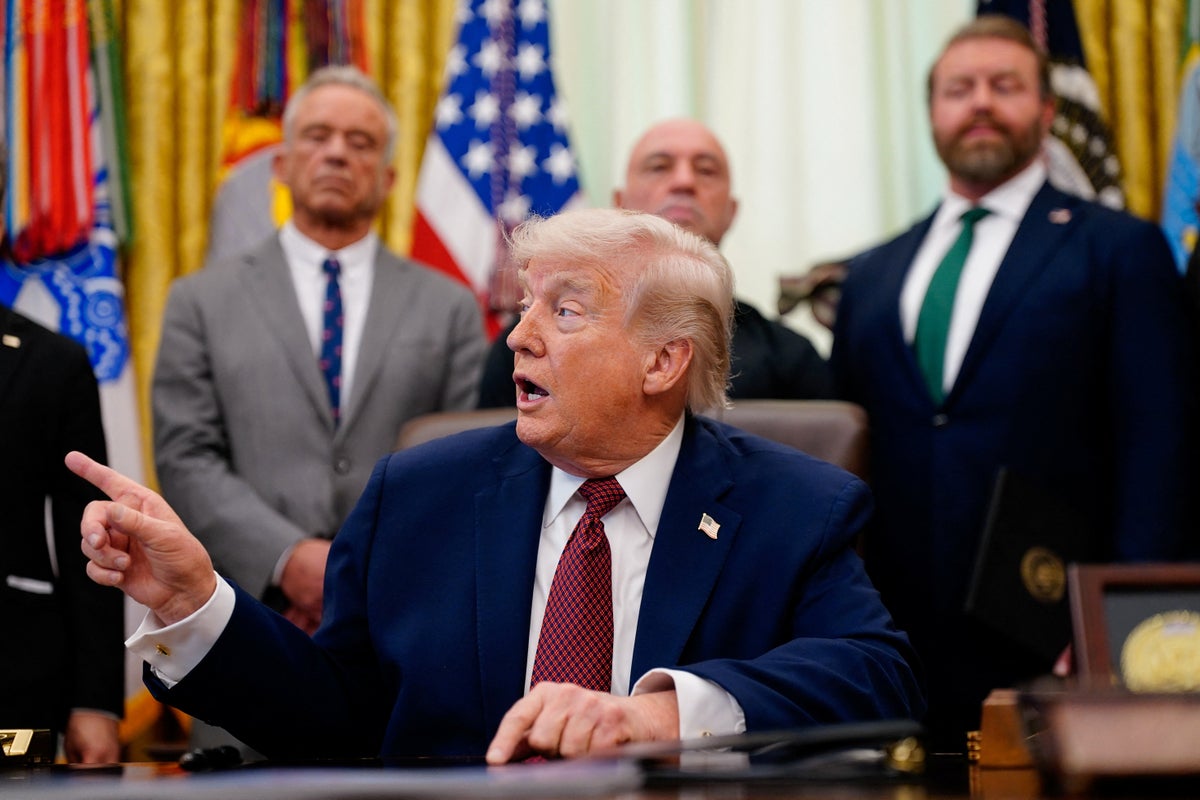
Donald Trump has been calling this "nuclear dust," and he wants it gone—all of it. But Iran views this stockpile as its only real insurance policy against a US-led regime change.
- The 10-Year vs. 20-Year Fight: Washington is pushing for a 20-year freeze on enrichment. Pakistan-mediated reports suggest the US might drop that to 10 years if—and it’s a big if—Tehran provides "strong guarantees."
- The Five-Year Counter: Iran is currently offering a five-year pause. That’s a massive gap.
- Verification Nightmares: It’s not just about the uranium. It’s about the cameras. After the March 2026 strikes on Fordow and Natanz, we don’t even know exactly what’s left under the rubble. Without intrusive, "anywhere, anytime" inspections, no deal from Washington’s side is worth the paper it’s printed on.
The Strait of Hormuz is a Global Chokehold
If you think your gas prices are high now, imagine the Strait of Hormuz staying shut for six months. This narrow waterway handles 20% of the world’s oil and gas. Since February 2026, Iran has effectively used it as a strategic secondary front.
The current "Open for Open" proposal sounds simple on paper: Iran stops attacking tankers and laying mines, and the US lifts its naval blockade. But the reality is way messier. Iran started charging "tolls" of over $1 million per ship to pass through. That’s not a security measure; that’s a shakedown.
Washington responded by having the Navy clear mines and threaten every bridge in Iran. The result? Shipping insurance has skyrocketed from 0.5% to 5% of a vessel's value. Most companies simply won't take the risk. You can't have a functional global economy when one country can flip a switch and stop 15 million barrels of oil a day. Until there’s a permanent security guarantee for the Strait, the US isn't going to pull back its carrier groups.
Sanctions Relief is a Political Landmine
Iran wants its frozen assets—billions of dollars—unlocked immediately. They also want the "maximum pressure" sanctions lifted so they can actually sell their oil on the open market again.
Here’s the catch: the US political climate in 2026 is hyper-polarized. Many in Congress argue that giving Iran billions of dollars now is just funding the next round of drone strikes against Israel or US bases in Iraq.
- Trust is Zero: After the US pulled out of the JCPOA in 2018, Iran doesn't believe any promise a US President makes. They know a new administration could just flip the script in four years.
- The "Conditional" Trap: Washington wants to link sanctions relief to "behavioral changes"—meaning Iran has to stop supporting groups like Hezbollah. For Tehran, that’s a non-starter. They see those groups as their "forward defense."
- The Shadow Fleet: Iran has become experts at dodging sanctions through a "shadow fleet" of tankers. This has lessened the sting of US pressure, making them less desperate to sign a bad deal just for the sake of it.
What Needs to Happen Next
If you’re looking for a breakthrough, watch the Islamabad talks closely this week. Specifically, look for any mention of a "Step-by-Step" framework.
A grand "everything-at-once" deal is dead. The only way forward is small, painful trades. Maybe Iran ships out a portion of its 60% uranium in exchange for a specific slice of frozen funds. Maybe the US allows a limited number of tankers through the Strait in exchange for the removal of Iranian sea mines.
Don't expect a celebratory press conference anytime soon. Both sides are currently more interested in looking strong for their home audiences than they are in making peace. If the Islamabad talks fail again, we aren't just looking at more sanctions—we're looking at a full-scale regional war that makes the current skirmishes look like a warm-up.
Keep an eye on the Brent Crude ticker. If it stays above $120, the diplomats are failing. If it starts to dip, someone, somewhere, is finally talking sense.