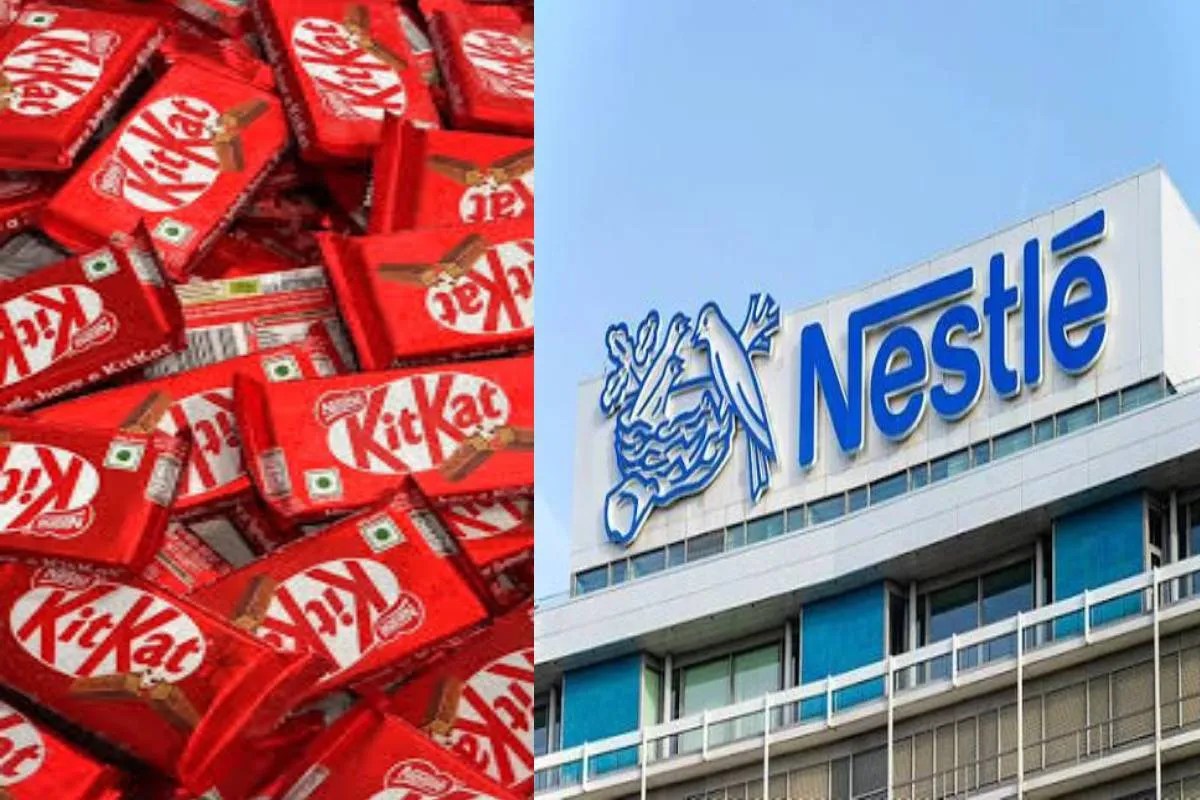
Twelve tons of KitKat bars do not simply evaporate. When a truck carrying over 20 pallets of chocolate destined for Poland vanished into thin air recently, it wasn't just a blow to Nestlé’s inventory. It was a surgical strike on the European logistics network. This wasn't a crime of passion or a spontaneous "smash and grab" at a rest stop. It was a sophisticated demonstration of cargo identity theft, a growing shadow industry that treats the continent’s supply chain like an open buffet.
The theft occurred under the guise of a routine transport contract. A carrier, appearing legitimate on paper, picked up the shipment and then disconnected from the grid. By the time the logistics coordinators realized the GPS ping had died and the driver’s burner phone was out of service, the chocolate—worth tens of thousands of dollars—was already being offloaded into a "blind" warehouse, likely to be sold across secondary markets where traceability is non-existent.
The Anatomy of a Phantom Pickup
To understand how 12 tons of chocolate disappear, you have to look at the freight exchange boards. These digital marketplaces are the lifeblood of European shipping, where manufacturers post loads and trucking companies bid to carry them. It is efficient, fast, and dangerously easy to manipulate.
Criminal syndicates no longer need to hijack trucks at gunpoint. That is messy, loud, and attracts the kind of heat that ends in prison time. Instead, they use digital social engineering. They buy old, dormant transport companies with clean records or create shell entities with forged insurance documents. They wait for a high-value, easy-to-flip load—like name-brand confectionery—and underbid the competition.
Once the "ghost" truck arrives at the loading dock, the driver presents seemingly valid paperwork. The warehouse staff, pressured by grueling quotas and tight schedules, rarely does a deep dive into the driver's ID or the truck’s plate history. The doors are shut, the seal is applied, and the cargo is driven straight into a black hole. This is the identity theft of the logistics world, and currently, the thieves are winning.
Why Chocolate is the Perfect Target
You might wonder why a criminal organization would risk a felony for KitKats instead of electronics or pharmaceuticals. The answer lies in the liquidity of the loot.
High-end electronics have serial numbers. Smartphones can be remotely bricked. Even luxury handbags have embedded chips or registries. Chocolate, however, has no such defense. It is anonymous. It is high-demand. It is consumable. Once the individual bars are separated from the pallet and the outer cardboard packaging is destroyed, there is no way for a supermarket in a different province to know that the stock on their shelves was stolen three days prior.
Furthermore, the resale window for food is incredibly short. Thieves don't have to sit on the product for months. They can flip 12 tons of chocolate within 48 hours to independent wholesalers, small-scale grocers, or "discount" exporters who ask very few questions about why the price is 30% below market value. The evidence is literally eaten by the public before the police even finish filing the initial report.
The Failure of Cross-Border Intelligence
The theft of the Polish-bound shipment highlights a glaring vulnerability in EU trade. While goods move freely across borders, police data does not.
A trucking company flagged for suspicious activity in Germany might still appear "green" on a load board used by a manufacturer in Switzerland or a distributor in France. Criminals exploit these jurisdictional gaps. They operate in the "grey zones" of international transport law, knowing that by the time a Polish prosecutor coordinates with German or Czech authorities, the trail will have gone cold.
The industry relies heavily on VIES (VAT Information Exchange System) and other basic verification tools, but these were never designed to catch sophisticated fraud rings. They check if a company exists, not if the person behind the keyboard is a career criminal using a stolen laptop in a different country.
The Human Element in the High-Tech Heist
Technology is often blamed for these lapses, but the "how" always comes back to a human failure at the point of origin. We have entered an era of asymmetric logistics warfare. On one side, you have multibillion-dollar corporations relying on automated systems to move goods. On the other, you have agile, tech-savvy crews who study those systems for weeks to find a single point of entry.
The warehouse worker who fails to take a photo of the driver’s face or the dispatcher who ignores a "red flag" on an insurance certificate is the real gateway for these crimes. In the KitKat case, the truck didn't just disappear from the road; it disappeared from a system that trusted a digital signature more than a physical verification.
Defending the Supply Chain
Solving the "Ghost Truck" problem requires moving beyond simple GPS tracking. GPS is reactive; it tells you where your stolen goods were, not how to prevent the theft.
- Biometric Verification: Logistics hubs must start requiring biometric scans of drivers that are cross-referenced against a centralized database of authorized carriers.
- Blockchain-Backed Documents: Moving away from PDF-based contracts to immutable digital ledgers would make it nearly impossible to forge transport licenses or insurance papers.
- Real-Time Data Sharing: Manufacturers need a "blacklist" that updates across the continent in seconds, not weeks. If a truck plate is involved in a "no-show" in Berlin, it should be flagged in Warsaw instantly.
The 12-ton KitKat heist is a warning shot. Today it is chocolate; tomorrow it could be medical supplies, specialized machinery, or chemicals. The "invisible" nature of these thefts suggests that for every truck that makes the news, ten more are diverted quietly, their losses absorbed as a "cost of doing business" by corporations that would rather keep the insurance payouts than admit their security is a sieve.
The industry needs to stop treating logistics security as a back-office administrative task. It is a frontline defense. Until the cost of committing the fraud exceeds the massive profit of flipping a pallet of untraceable goods, the trucks will keep vanishing. The chocolate hasn't just been stolen; it has been used to expose a system that is far more fragile than its operators want to admit.
Check the paperwork again. Then check it a third time.