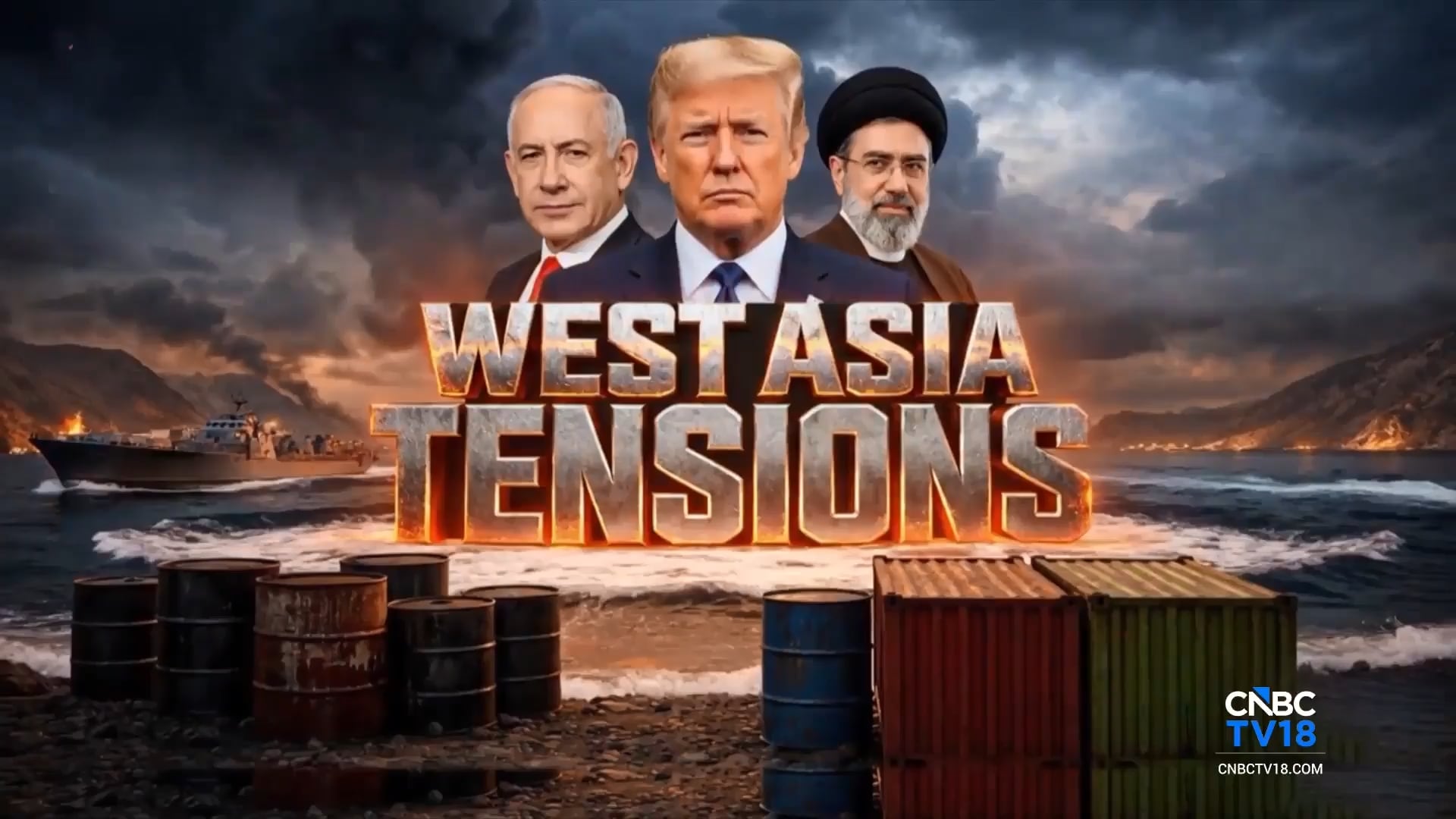
Donald Trump just extended the ceasefire with Iran, and if you're surprised, you haven't been paying attention. After weeks of "Operation Epic Fury" and threats that "a whole civilization will die," the sudden shift to diplomatic extensions feels like a whiplash. But there's a cold, hard logic behind it. Despite the bravado, the United States is hitting a wall where more bombs don't equal more security. It's becoming clear that while you can turn a power plant into a crater, you can't blast a regime into submission without breaking the global economy in the process.
Former diplomats and strategic analysts are increasingly vocal about one thing: the military path in West Asia has reached its expiration date. Trump’s "lots of bombs" rhetoric might play well in a soundbite, but on the ground, the strategy is running into the reality of a "Financial Winter."
The Illusion of the Quick Win
When the war kicked off in February 2026, the pitch was simple. Overwhelming force would decapitate the Iranian leadership, the people would rise up, and the nuclear threat would vanish. Fast forward to today, and that narrative is falling apart. While the U.S. and Israel have successfully hit thousands of targets and reportedly sunk most of the Iranian navy, the "win" remains elusive.
The IRGC hasn't folded. Instead, they've shifted to a "Mosaic Defense." This basically means they’ve decentralized their command. Even with senior leaders gone, local units keep fighting. It’s like trying to kill a hydra by punching it in the stomach. You might bruise it, but the heads are still biting.
The biggest miscalculation was thinking the Iranian public would treat American bombs as a liberation signal. History shows it's usually the opposite. External attacks tend to trigger a nationalist rally-around-the-flag effect. When you threaten to destroy "every bridge in Iran," you don't just threaten the government; you threaten the guy trying to get to work. That doesn't make him want to help you.
Why the Bombing Stops Here
Trump is a transactional player. He hates "forever wars" and he hates losing money even more. The current standoff is effectively a version of Mutually Assured Destruction (MAD), but for the wallet. Iran’s threat to destroy the region’s oil industry isn't just talk. General Majid Mousavi’s warning—that if neighbors let the U.S. use their bases, they can "say goodbye to oil"—has sent shockwaves through the markets.
- Oil Prices: Crude touched $110 a barrel in March and hasn't really cooled off.
- Shipping: Traffic through the Strait of Hormuz is basically a ghost town.
- Insurance: The cost to sail anything in the Sea of Oman is astronomical.
Trump realizes that a "total victory" that triggers a global Great Depression isn't a victory he can sell to his base in the long run. He needs a deal. That’s why we’re seeing the ceasefire extensions. He's looking for an off-ramp that lets him claim he "tamed" Tehran without actually having to rebuild it.
The Strategic Futility of More Kinetic Action
Military action in West Asia is strategically futile because it lacks a "Day After" plan. Let's say the U.S. actually manages to collapse the Islamic Republic. What then? You're left with a massive governance vacuum in a country of 85 million people. China and Russia aren't going to sit back and watch a pro-Western democracy sprout up. They’ll fund whoever keeps the chaos going.
The idea that you can bomb a country into a better version of itself is a ghost of the early 2000s that should have stayed buried. The 2026 campaign has shown that even with 90% of your missiles suppressed, you only need the remaining 10% to cause global economic chaos.
Regional Tremors
The war isn't just about D.C. and Tehran. It's tearing apart the neighbors. Pakistan is caught in a nightmare, trapped between a defense pact with Saudi Arabia and a restive population that doesn't want a sectarian war on their doorstep. The "oasis of peace" the Gulf states tried to build on economic stability is cracking.
Moving Toward the Exit
If you're looking for what happens next, watch the 15-point peace plan Trump is floating. It’s not about "regime change" anymore; it's about "regime containment." The administration is shifting from trying to win the war to trying to win the exit.
Honestly, the military options are exhausted. You can't bomb a nuclear program out of existence when the knowledge is already in the heads of the scientists. You can't stop proxies like Hezbollah just by hitting Tehran when they’ve already dug into the mountains of Lebanon.
The move now is toward "commercial diplomacy." Trump’s team, including advisors like Massad Boulos, is trying to pivot toward business interests and regional integration. It’s less "fire and fury" and more "let's make a deal so the gas prices go down."
Stop expecting a final, decisive battle. This war ends with a messy, frustrating, and probably expensive series of signatures, not a mission accomplished banner on an aircraft carrier. The smart money is on a long, drawn-out period of "cold peace" where nobody is happy, but everyone is still solvent.
Keep an eye on the oil benchmarks and the next round of talks in Islamabad. If the ceasefire holds through the summer, the bombing phase is likely over for good. The transition to a "transactional" Middle East is the only way out that doesn't involve a global economic collapse.