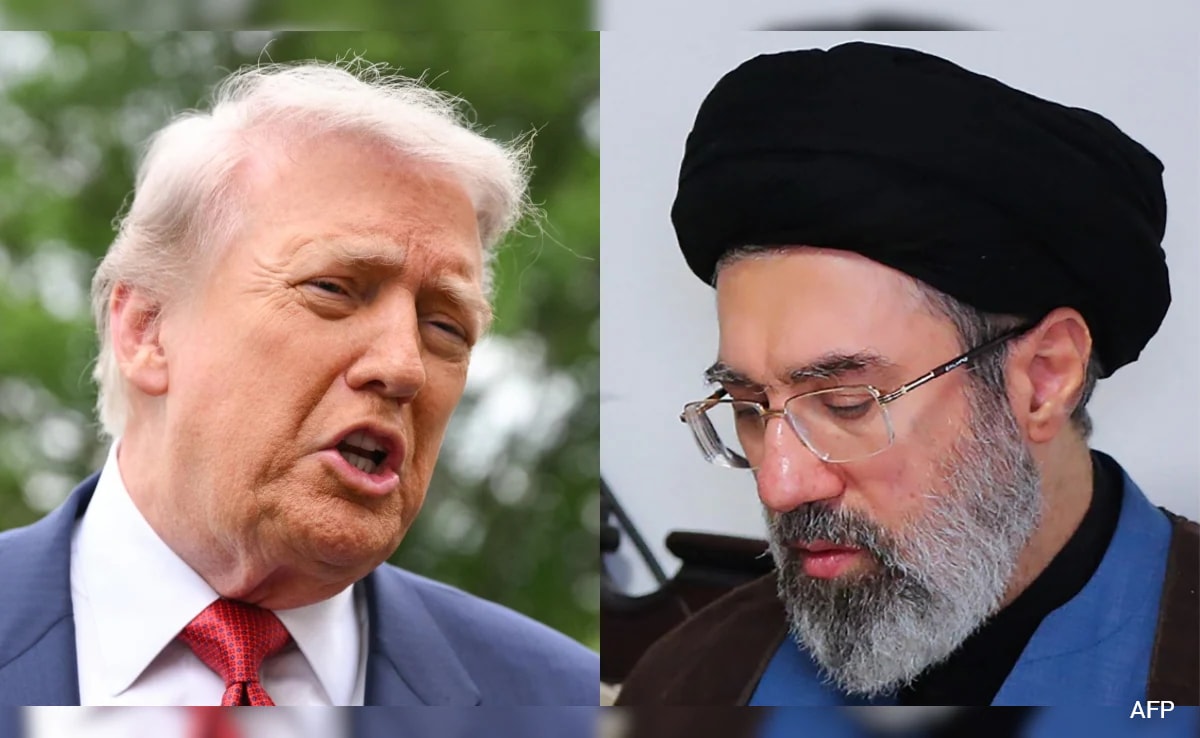
Negotiators in Doha and Muscat are exhausted, but they thought they finally had a breakthrough. After months of devastating military strikes, back-channel messages, and a fragile truce that looked ready to shatter at any second, U.S. and Iranian officials quietly finalized a memorandum of understanding. The draft is sitting on Donald Trump’s desk. It promises a 60-day ceasefire extension, a path to reopen the vital Strait of Hormuz, and a framework to kickstart fresh nuclear negotiations.
There is just one problem. Trump won't sign it yet.
During a Cabinet meeting, the president made it clear he isn't entirely satisfied with Tehran's current offers. "They want very much to make a deal," Trump told reporters, adding that he wanted a couple of days to think it over. This hesitation isn't just a negotiating tactic; it's a high-stakes gamble. While the draft agreement circulates among nervous allies like Israel, the situation on the ground is actively deteriorating. Missiles are flying, the U.S. military is launching defensive strikes, and the entire framework could fall apart before the ink even has a chance to dry.
The Terms Of The Sixty Day Gamble
If you look past the political theater, the actual text of this tentative memorandum of understanding reveals a massive transactional trade-off. It’s a temporary band-aid designed to stop a full-scale regional war, buy time, and get both sides talking about uranium stockpiles again.
The core mechanics of the deal focus heavily on shipping and sanctions. Under the proposed framework, Iran must guarantee unrestricted commercial transit through the Strait of Hormuz. The strategic waterway has been a deathtrap for months, choked by naval blockades and sea mines. The draft gives Tehran exactly 30 days to clear all mines, halt maritime harassment, and abandon any plans to charge transit tolls.
In exchange, the U.S. has agreed to a phased lifting of its tight naval blockade. Even bigger for Tehran is the financial carrot. The framework dangles the release of up to $12 billion in frozen Iranian assets and outlines a path for targeted sanctions relief. It also sets up dedicated corridors for humanitarian aid to flow back into Iran's crippled economy.
On the nuclear front, the terms are predictably cautious. Iran would formally renounce the pursuit of nuclear weapons and agree to strict International Atomic Energy Agency inspections. During the 60-day window, negotiators would tackle the thorniest issue of all: what to do with Iran's massive stockpile of highly enriched uranium.
Why Trump Is Hesitating
So, why hasn't the White House closed the deal? It comes down to leverage and optics. Trump’s "maximum pressure" campaign escalated directly into military conflict earlier this year. Having pushed Iran to the brink, the administration is wary of settling for a temporary truce that doesn't permanently dismantle Tehran's nuclear infrastructure.
The timing of this hesitation is incredibly risky. Just hours after reports of the deal leaked, U.S. Central Command confirmed that Kuwait intercepted missiles fired by Iranian-backed forces. Meanwhile, U.S. Navy vessels recently targeted Iranian mine-laying boats and missile sites in southern Iran.
Every day Trump spends thinking about the draft is another day for hardliners on both sides to wreck the progress. Iran’s Revolutionary Guard Corps has already threatened a firm military response if American strikes continue. On the American side, Treasury Secretary Scott Bessent is actively tightening the screws, announcing new moves to cut off Iranian commercial airlines from refueling and landing spots globally.
Draft Agreement Core Terms vs. Current Flashpoints
-----------------------------------------------------------------
Draft Provision: Unrestricted shipping through Strait of Hormuz
Real-World Status: IRGC actively stopping ships; US striking mine-layers

Draft Provision: 60-day freeze on advanced nuclear enrichment
Real-World Status: Iranian hardliners call US oversight a "fantasy"

Draft Provision: Phased lifting of the US naval blockade
Real-World Status: US Treasury cutting off Iranian airline landing rights
The Allied Backlash Inside Israel And Oman
Washington isn't negotiating in a vacuum. Trump has already shared the draft peace agreement with key international allies, and the reception has been mixed, to put it mildly.
Israel is deeply uncomfortable with the current text. From the Israeli perspective, the framework gives Iran massive economic breathing room—$12 billion in cash and an eased blockade—without forcing a permanent surrender on uranium enrichment. Israeli officials argue that a 60-day pause simply allows Tehran to regroup, rebuild its command structures after recent high-profile losses, and fund its regional proxies.
Then there is Oman. The diplomatic relationship between Washington and Muscat took a hit this week. Frustrated by reports that Iran was trying to cut a side deal with Oman to charge "navigational service fees" in the Strait of Hormuz, the U.S. issued a blunt public warning. Secretary Bessent stated outright that the Treasury would aggressively penalize any nation facilitating Iranian tolls. Western diplomats report that Omani officials were blindsided and furious at the public threat, showcasing just how raw nerves are in the region.
What Happens If The Deal Fails
The reality is that this memorandum of understanding is a bridge to nowhere if the shooting doesn't stop. Both sides are trying to negotiate a peace deal while simultaneously hitting each other's assets to maintain leverage. It's a recipe for a catastrophic miscalculation.
If Trump rejects the deal, or if Iran pulls out following another round of U.S. defensive strikes, the seven-week-old ceasefire will officially end. We will see an immediate return to the high-intensity conflict that defined the early months of 2026.
For businesses, shipping syndicates, and energy markets, the immediate focus shouldn't be on the long-term diplomatic goals. It needs to be on the next 72 hours. Watch the tracking data for commercial shipping in the Persian Gulf. If tanker companies continue to alter routes or turn off transponders to avoid Iranian patrols, it means the industry has zero faith in the diplomatic framework. Watch the rhetoric out of the White House over the weekend. If Trump demands major structural rewrites to the nuclear verification clauses, expect Tehran to walk away from the table completely, sending oil volatility through the roof.