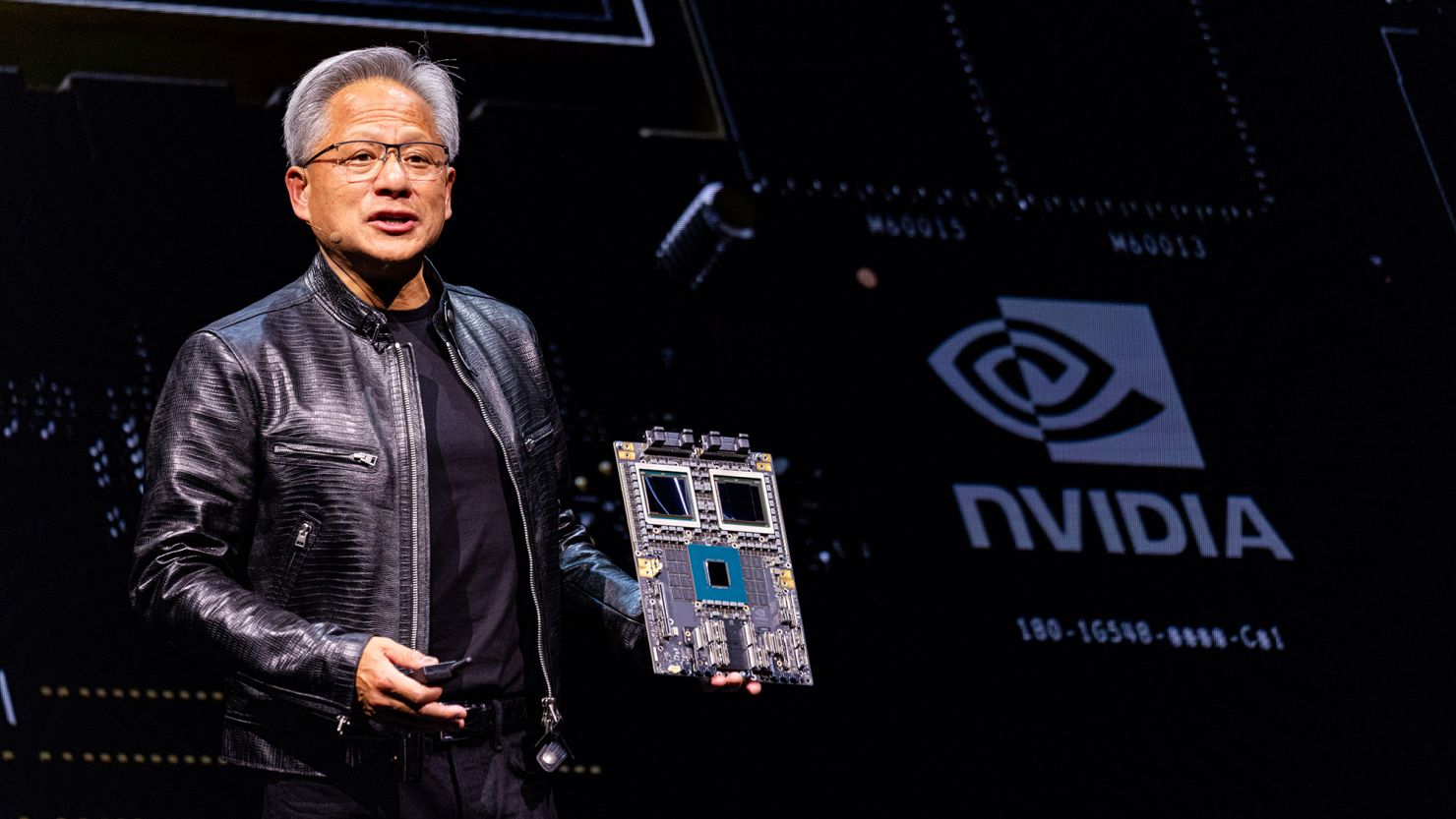
Donald Trump doesn’t like bad press, and he certainly doesn’t like the idea that he’s "snubbing" the leader of the world’s most valuable company. After 24 hours of headlines suggesting Nvidia CEO Jensen Huang was the odd man out for the upcoming high-stakes China summit, the President took matters into his own hands. On Tuesday morning, Trump reportedly placed a direct call to Huang, effectively ordering him to pack a bag and get to Air Force One.
The optics of the situation were getting messy. While Elon Musk, Tim Cook, and Qualcomm’s Cristiano Amon were already confirmed, the absence of the "AI King" sent a signal that the administration was either cooling on Nvidia or caving to China hawks who want to keep Huang as far away from Beijing as possible. Trump’s fix was vintage Trump: skip the protocol, call the CEO, and make sure the world knows they’re on the same team.
The 11th hour scramble for Air Force One
Jensen Huang reportedly caught up with the presidential entourage in Alaska, boarding Air Force One late Tuesday night. It’s a dramatic reversal from just a day ago when reports from Reuters and Bloomberg indicated the White House was intentionally narrowing the delegation’s focus to "safe" industries like agriculture and aviation.
The original plan was to highlight a massive 500-jet order for Boeing and big wins for American farmers. Bringing the man who builds the brains of the AI revolution—the very tech the U.S. is trying to keep out of Chinese hands—creates a much more complicated conversation. But Trump clearly cares more about the "power move" of having every major U.S. titan behind him when he sits across from Xi Jinping.
Who else made the cut
This isn’t a small scouting party. Trump is bringing a heavy-hitting roster of CEOs representing trillions in market cap. By confirming the presence of Cook, Musk, and now Huang, he’s effectively bringing the entire American tech stack to the negotiating table.
- Tim Cook (Apple): Navigating the increasingly tricky waters of Chinese manufacturing and consumer demand.
- Elon Musk (Tesla/SpaceX): A man who has his own unique, often direct, line to Beijing officials.
- Cristiano Amon (Qualcomm): Crucial for the 5G and mobile chip discussions that underpin the global supply chain.
- Sanjay Mehrotra (Micron): A key player in the memory chip wars that have seen Micron face its own bans in China.
- Kelly Ortberg (Boeing): Looking to finalize one of the largest aircraft sales in history.
The delegation also features finance giants like Larry Fink (BlackRock) and Stephen Schwarzman (Blackstone), alongside leaders from Citigroup, Goldman Sachs, and GE Aerospace. It’s a "who's who" of American capital designed to show Xi Jinping that the U.S. business elite is aligned with the administration's trade goals.
The Nvidia dilemma in Beijing
You have to wonder what the conversation on Air Force One is like right now. Huang has been in a tough spot for over a year. On one hand, he’s seen Nvidia’s market share in China drop toward zero as export controls tightened. On the other, he’s been trying to play ball with Washington, even getting a green light for "defanged" H200 exports late in 2025—only to have Beijing block those chips at the border in retaliation.
Trump’s decision to bring Huang along is a double-edged sword. It shows the CCP that the U.S. stands by its tech champions, but it also puts Huang in the crosshairs of "awkward conversations" regarding dual-use technology. If Trump asks Xi to "open up" the market for American chips, he’s essentially asking China to buy the very tools they plan to use to compete with us.
What this means for the summit
The goal of this trip isn't just a "tactical truce." Trump wants tangible, multi-billion dollar purchase agreements he can point to as proof that his "Art of the Deal" style works where traditional diplomacy fails. By dragging Huang onto the plane at the last minute, he’s signaling that high-end tech is no longer off the table—it’s a bargaining chip.
Don't expect a sudden flood of AI GPUs into Shenzhen next week. The national security concerns are too high. But do expect Trump to use the presence of these CEOs to squeeze concessions on market access and intellectual property.
If you're an investor, the takeaway is clear: the administration is still betting big on the "Magnificent Seven" and their peers to lead the trade charge. The fact that Trump personally intervened to get Huang on that plane tells you exactly how much weight the Nvidia brand carries in this White House. It’s no longer just about corn and planes; it’s about who controls the future of intelligence.
Keep an eye on the joint press conferences in Beijing on May 14 and 15. The body language between Huang and Chinese officials will tell you more about the future of the semiconductor industry than any official White House press release.
Trump confirms Nvidia CEO joins China delegation
This video provides a quick breakdown of the major executives joining the President on this pivotal trade mission to Beijing.