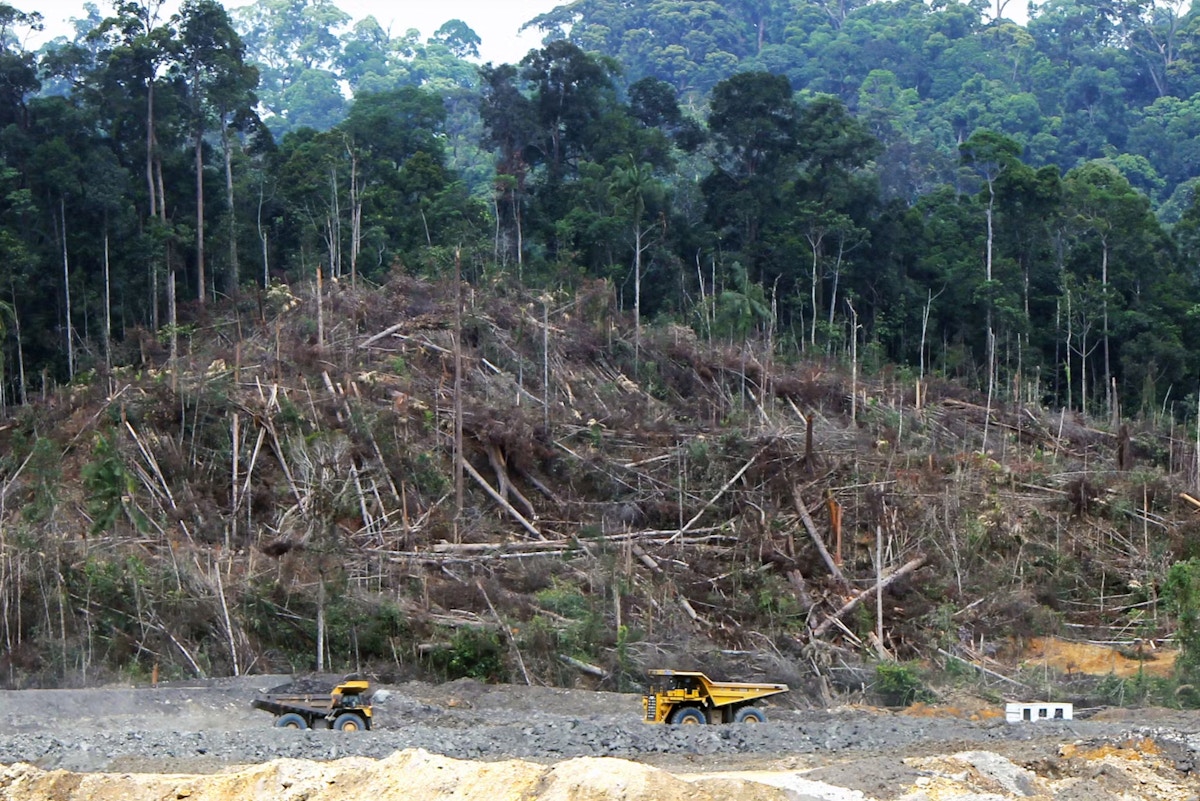
The latest data on tropical forest loss just hit the wire, and for the first time in a while, it isn't a total disaster. Reports from the early months of 2025 show a measurable dip in primary forest destruction compared to the record-breaking carnage of previous years. It's a win. Let's take it. But if you think we've turned a corner toward permanent recovery, you're looking at the wrong map.
I’ve tracked these environmental shifts for years, and the story is never as simple as a single percentage point. While the headline says "eases," the ground reality is a messy mix of shifting political regimes, erratic weather patterns, and the simple fact that there’s less forest left to burn in certain critical hotspots. We aren't seeing a massive global restoration project suddenly take root. We're seeing a temporary reprieve in a few key geographies that happens to be dragging the global average down.
Why the numbers are finally shifting
Brazil is the heavy lifter here. You can't talk about tropical forests without talking about the Amazon. Under the current administration, satellite data from agencies like INPE shows that deforestation alerts have plummeted. It's proof that policy works. When a government actually enforces the laws already on the books—clamping down on illegal gold mining and seizing cattle raised on protected land—the chainsaws stop.
Colombia is following a similar path. They've integrated forest protection into their peace processes, treating the jungle as a national security asset rather than a frontier to be conquered. This isn't just about "being green." It's about stability. When you stop the clearing, you stop the displacement of people and the rise of local militias.
But don't get too comfortable. While South America shows signs of life, other regions are bleeding. Africa’s Congo Basin is under immense pressure as subsistence farming and charcoal production expand. Southeast Asia is seeing a resurgence in some areas as commodity prices for palm oil and rubber fluctuate. The "easing" isn't universal; it's a lopsided victory.
The El Niño hangover and climate luck
We have to be honest about how much of this is human effort and how much is just the luck of the draw with the weather. The record highs of previous years were fueled by extreme drought and heat linked to El Niño. When the woods are bone-dry, a small campfire becomes a million-acre inferno.
In 2025, we’ve seen more favorable moisture levels in parts of the tropics. Wetter forests don't burn as easily. This hides the fact that the underlying drivers of deforestation—infrastructure projects, mining, and industrial agriculture—haven't actually gone away. We’re basically celebrating that the house didn't burn down this year, even though the pyromaniac is still standing on the porch with a lighter.
Degradation is the silent killer we ignore
Most reports focus on "clear-cutting" because it's easy to see from a satellite. You see green, then you see brown. Simple. But what we’re failing to track effectively is forest degradation. This is the thinning of the forest from the inside out.
Selective logging, understory fires, and fragmentation don't always show up as "loss" in a headline report, but they kill the ecosystem just as effectively. A degraded forest stores less carbon, loses its cooling capacity, and becomes a death trap for biodiversity. I've walked through these "standing forests" that feel like ghost towns. The trees are there, but the soul of the place is gone. If we only celebrate the end of clear-cutting, we miss the slow rot happening underneath the canopy.
Corporate pledges vs real world results
You’ve seen the logos. Every major consumer goods company has a "Net Zero" or "Deforestation-Free" pledge plastered on their website. It looks great in an annual report. But how much of that actually translates to fewer trees falling?
The truth is that supply chains are incredibly opaque. A company might buy "certified" soy, but that soy often comes from land cleared just a few years ago, or it’s laundered through middle-men who mix it with "dirty" crops. The 2025 dip in forest loss is happening despite these corporate games, not because of them. Real change is coming from local indigenous communities who are finally getting legal titles to their land. Data consistently shows that when indigenous groups have the right to defend their territory, the forest stays standing. They are the most effective forest rangers on the planet, and they do it for a fraction of the cost of a high-tech NGO.
The financial gap in forest protection
Wealthy nations love to tell tropical countries to stop cutting down their trees. It’s easy to say when your own country was deforested two hundred years ago to build your economy. We’re asking nations like the Democratic Republic of Congo or Indonesia to bypass the very extractive industries that made the West rich.
The money to make this transition possible is still a drop in the bucket. Carbon markets were supposed to fix this, but they’ve been plagued by scandals and "junk" credits that don't actually represent real carbon savings. We need a fundamental shift in how we value a standing tree versus a dead one. Right now, a tree is only worth something to the global market when it’s turned into timber or replaced by a cow. That’s a math problem we haven't solved yet.
What you can actually do about it
Stop looking for a "save the world" button and start looking at your own impact. This isn't about feeling guilty; it's about being a conscious actor in a global system.
- Demand transparency in the products you buy. If a brand can't tell you exactly where their palm oil or beef comes from, don't buy it. Use apps like Open Supply Hub to check.
- Support land rights for indigenous peoples. This is the single most effective way to prevent deforestation. Organizations like the Rainforest Foundation or Survival International focus on this directly.
- Vote for trade policies that include environmental teeth. The EU’s Deforestation Regulation (EUDR) is a massive step forward because it bans products linked to forest loss from entering the market. Support similar legislation in your own country.
- Don't fall for the "planting trees" trap. Protecting an old-growth forest is a thousand times more valuable than planting a row of saplings that will probably die in three years. Focus your support on conservation, not just restoration.
The 2025 numbers give us a reason to breathe, but they aren't a reason to stop fighting. We’ve seen these dips before, only for the numbers to roar back when a new road is built or a new government takes power. The forest is resilient, but it isn't invincible. We've got a window of opportunity here. Let's make sure we don't waste it by patting ourselves on the back while the smoke is still clearing. Keep the pressure on the politicians and the big brands. The trees can't talk, so you have to.