The year was 1860. It was a humid June morning in the village of Road, Wiltshire. Inside an elegant, upper-middle-class home known as Road Hill House, a three-year-old boy named Francis Saville Kent vanished from his crib. He was found later that day, stuffed into the vault of a privy in the garden, his throat slit so deeply he was nearly decapitated.
This wasn't just a murder. It was a cultural earthquake.
In the middle of the chaos stepped Jonathan "Jack" Whicher. He was one of the original eight members of the newly formed Detective Branch at Scotland Yard. When we talk about the suspicions of Mr Whicher, we aren't just talking about a police investigation. We’re talking about the birth of the modern "whodunnit" and the moment the Victorian public realized that the "sanctity of the home" was often a violent, lie-filled myth.
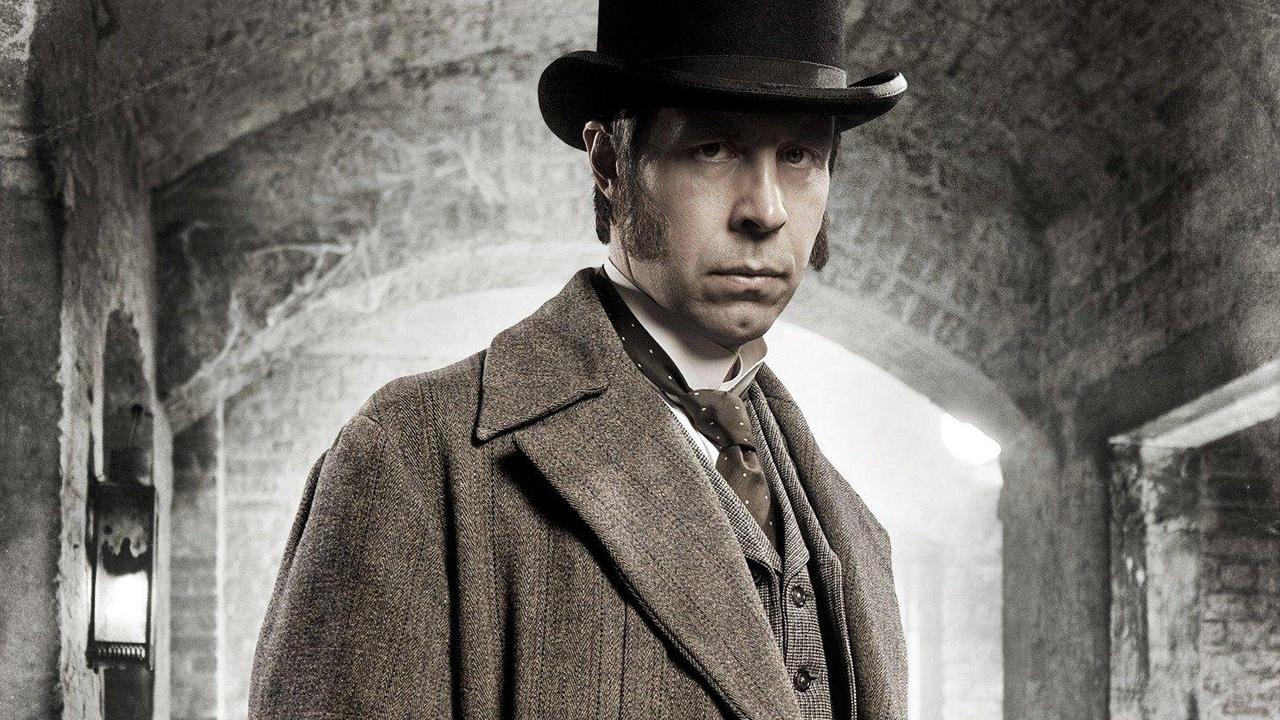
Whicher was a legend in his time. Charles Dickens actually based characters on him. He was a man of "middle height," sort of pockmarked, with a calm, observant demeanor that made people nervous. He arrived at Road Hill House to find a local police force that had already bungled the evidence. They were looking for outsiders—vagrants, gypsies, anyone who didn't belong. Whicher, however, looked at the locked doors and the heavy windows. He looked at the family.
He knew immediately: this was an inside job.
Why the Suspicions of Mr Whicher Ruined His Career
Whicher’s gut told him the killer was Constance Kent, the victim’s sixteen-year-old half-sister. She was the product of her father Samuel Kent’s first marriage. Samuel had since married the family governess, Mary Pratt, and started a new family. Constance felt shoved aside. She was rebellious. She had even tried to run away once, dressed as a boy.
Whicher noticed a missing nightdress. That was the smoking gun in his mind. Constance had a list of three nightdresses, but one was gone. She claimed it had been lost at the laundry, but Whicher suspected she’d burned it or hidden it because it was soaked in her half-brother's blood.
The problem? He had no physical proof.
In 1860, the idea that a "well-bred" young lady could slice a child’s throat was unthinkable to the British public. They hated Whicher for even suggesting it. The press tore him apart. They called him an intruder. They mocked his "lowly" origin. Samuel Kent, a factory inspector with a massive ego, used his influence to protect his daughter and paint Whicher as a bumbling fool.
The case was dropped. Whicher returned to London in disgrace. He eventually retired early from the force, his reputation in tatters because he dared to suspect the one person nobody wanted to believe was capable of such a thing.
The Family Dynamic that Fuelled the Fire
To understand the suspicions of Mr Whicher, you have to understand the toxic sludge that was the Kent household. Samuel Kent was not a popular man. He was arrogant and secretive. Rumors swirled that he had been having an affair with Mary Pratt while his first wife—Constance’s mother—was dying of what was then called "softening of the brain" (likely dementia or a similar neurological decline).
Imagine being Constance. You watch your mother waste away while the governess takes over her life. Then your mother dies, the governess becomes your stepmother, and suddenly there’s a new set of children who are the "favorites."
The psychological tension was a pressure cooker.
Whicher saw this. He was a pioneer in what we now call behavioral profiling. He didn't just look at footprints; he looked at resentment. He saw a girl who felt erased. He saw a father who was so desperate to maintain the appearance of Victorian respectability that he would potentially obstruct a murder investigation.
Honestly, the local police were useless. They spent their time checking the shoes of every laborer in the village. They couldn't wrap their heads around the fact that the "monster" lived behind the velvet curtains. Whicher was different because he wasn't blinded by class. He saw the Kents as people—flawed, angry, and capable of horror.
The Missing Nightdress and the Five-Year Wait
The nightdress. It always comes back to the nightdress.
Whicher’s investigation centered on the house's laundry book. Constance had manipulated the records. She had "lost" the blood-stained garment and substituted it with a clean one to trick the investigators. Whicher tried to find it. He searched the ponds. He searched the floorboards. Nothing.
He was ridiculed for being "obsessed" with a piece of laundry.
But Whicher was right.
Five years later, in 1865, Constance Kent walked into a convent and confessed. She admitted to a priest that she had killed Francis to spite her father and stepmother. She had used one of her father’s razors. She had hidden the nightdress and later burned it.
Whicher was vindicated, but the damage was done. He didn't get his career back. He didn't get a grand apology from the newspapers that had dragged his name through the mud. He stayed in the shadows, a private investigator for a while, but the Road Hill House case was the shadow that followed him until he died in 1881.
Why We Are Still Obsessed With This Case
The reason the suspicions of Mr Whicher still resonate today—spawning books like Kate Summerscale’s The Suspicions of Mr. Whicher and various TV adaptations—is because it represents the birth of the detective genre.
Before Whicher, people didn't really "solve" crimes through logic and deduction in the way we see on CSI or Sherlock. Whicher was the bridge between the old world of "catching them in the act" and the new world of forensic suspicion.
There are also the lingering conspiracy theories. Some people still don't think Constance did it alone.
- The Samuel Theory: Some believe Samuel Kent killed the boy because he was crying and might have walked in on Samuel and the nursemaid. They think Constance took the fall to save her father or because she was coerced.
- The William Theory: Constance’s brother William was also a suspect. He and Constance were very close. Did they do it together?
Whicher, however, stayed firm. He believed Constance was the sole actor. He saw the coldness in her. He saw the calculated way she moved through the house.
The Legacy of a Ruined Reputation
It’s kinda tragic when you think about it. Whicher was a genius who was punished for being right too soon. He saw the truth before the world was ready to admit that the Victorian family unit was often a breeding ground for trauma and violence.
The case changed how the British public viewed the police. It turned the "Detective" into a figure of both fascination and fear. We love the idea of the man who can see through our lies, but in 1860, that man was a threat to the social order.
If you're looking for the roots of every true crime podcast you listen to, they're right here. They are in the mud of the Road Hill House garden.
Actionable Insights for History and True Crime Buffs
If you want to understand the full scope of this case beyond the headlines, there are a few specific things you should look into. This isn't just a story; it's a study in how justice can be derailed by social status.
1. Study the Transcripts of the 1865 Confession Don't just take the "she confessed" at face value. Look at the details Constance provided. Many modern legal experts find her confession "too perfect," as if she were shielding someone. Comparing her 1865 statements to Whicher’s 1860 notes shows a staggering alignment that proves Whicher’s deductive reasoning was almost flawless.
2. Visit the Site (Virtually or Physically) The house still stands in the village of Rode (now spelled differently). Seeing the layout of the house helps you understand why Whicher was so certain it was an inside job. The distances between the bedrooms and the privy are key. A child couldn't have been carried out by a stranger without waking the entire house.
3. Read the Original Press Coverage Search archives for The Times or The Bath Chronicle from 1860. It’s a masterclass in how the media can destroy a professional’s reputation. You’ll see the exact language used to discredit Whicher—words like "speculative," "low-born," and "intrusive." It’s a sobering reminder that "fake news" and character assassination aren't new inventions.
4. Explore the Detective’s Influence on Literature If you like fiction, read The Moonstone by Wilkie Collins. The character of Sergeant Cuff is directly inspired by Jack Whicher. Seeing how Whicher was transformed from a disgraced policeman into a fictional hero helps explain how society eventually processed the trauma of the Road Hill House murder.
The real lesson from the suspicions of Mr Whicher is that the truth doesn't always set you free—sometimes, it just makes everyone around you very uncomfortable. Whicher’s career ended because he refused to look away from the uncomfortable truth. In the end, he was the only one who actually cared about the three-year-old boy in the garden more than the reputation of the people in the house.