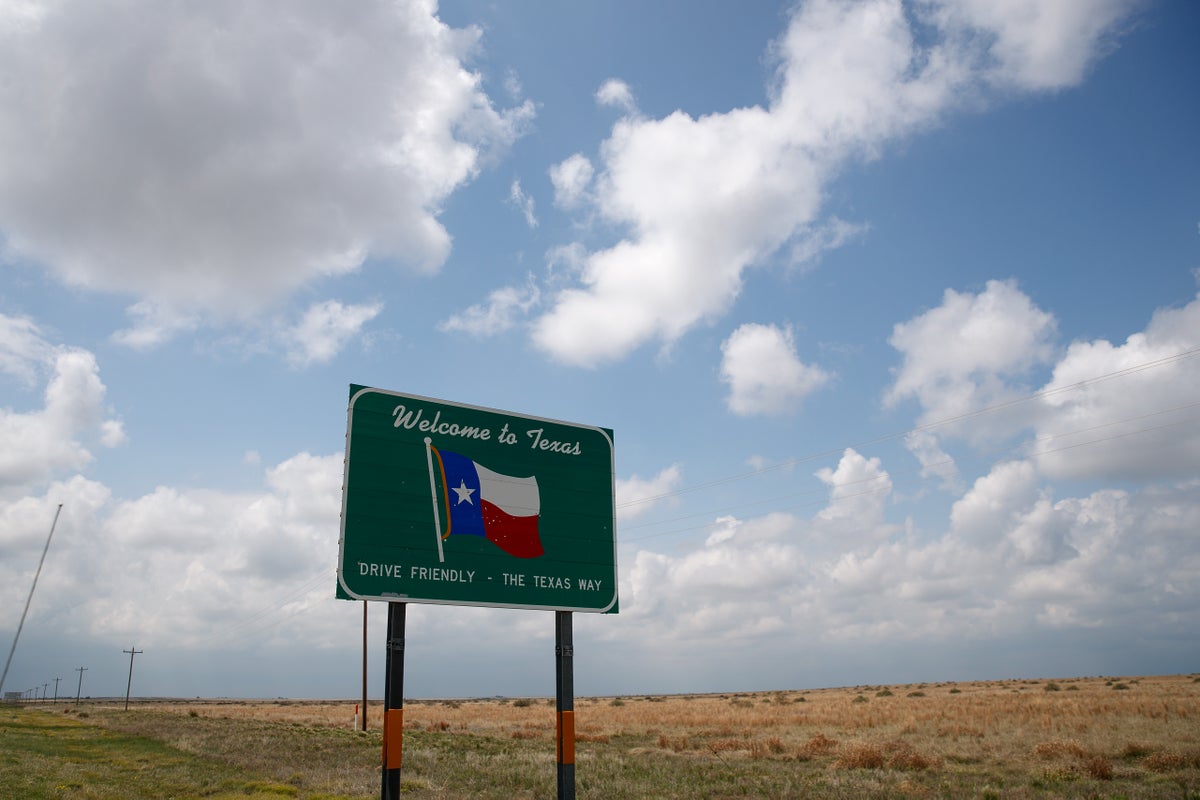
Main Street is booming, the local diner has a line around the block, and real estate developers are salivating. The media falls over itself to profile the latest tiny Texas ranching town that topped the census growth charts. They call it a miracle. They call it the new frontier of the American Dream.
They are lying to you.
What the breathless headlines call "growth" is actually a predictable, slow-motion fiscal train wreck. Having spent twenty years analyzing municipal bond markets and infrastructure depreciation cycles, I have watched this movie play out across the Sun Belt dozens of times. The narrative is always the same: a sleepy rural enclave gets discovered, population spikes by 400% in three years, and local leaders boast about economic vitality.
But population growth is a lagging indicator of momentum, not a leading indicator of economic health. In fact, explosive growth in a small, historically rural town is almost always a net-negative event for the people who live there and a catastrophic long-term bet for investors.
Here is the brutal reality of the boomtown myth that the cheerleaders refuse to admit.
The Ponzi Scheme of Municipal Infrastructure
To understand why rapid growth destroys small towns, you have to understand the math of municipal finance. Charles Marohn of Strong Towns famously laid this out, and the mechanics are unassailable.
When a developer builds a new subdivision in a tiny town, they pay for the initial roads, water lines, and sewer pipes. The town takes over the maintenance of that infrastructure. In the short term, the town experiences a massive injection of cash from building permits, impact fees, and new property taxes. The local government feels rich. They hire more staff, buy new police cars, and approve new projects.
This is the honeymoon phase. It lasts about twenty to twenty-five years.
Then, the bills come due. The asphalt needs to be resurfaced. The water mains start leaking. The pump stations fail.
Here is the trap: the property tax revenue generated by low-density, suburban-style development almost never covers the long-term maintenance costs of the infrastructure serving it. A typical single-family home on a half-acre lot does not generate enough tax revenue to replace the road and pipe in front of it.
When a tiny town grows exponentially, it is drastically multiplying its future liabilities while celebrating temporary revenue. It is a classic pyramid scheme. The town needs to approve even more development next year just to get the fee revenue required to fix the infrastructure built twenty years ago. The moment the growth slows down, the fiscal music stops.
The Myth of the Cheap Small Town
The media loves the narrative of the fed-up urbanite fleeing Austin or Dallas to find a affordable, high-quality life in a ranching town two hours away. But the economic friction of sudden migration destroys the very value proposition that attracted people in the first place.
Consider what happens to local services:
- Volunteer Fire Departments: A town of 2,000 people relies on volunteers. A town of 20,000 requires a full-time, professional fire department with millions of dollars in equipment. That transition happens overnight, but the tax base takes decades to catch up.
- The School System: School districts in rural areas operate on razor-thin margins. A sudden influx of hundreds of children forces the district to pass massive bond packages to build new schools, instantly skyrocketing local property tax rates for everyone, including the original residents who can least afford it.
- Water Scarcity: In Texas, water rights are a zero-sum game. Small towns rarely own the deep-water infrastructure or long-term water contracts needed to sustain a massive population shift. Buying into these towns means buying into an imminent, hyper-expensive utility crisis.
The newcomer thinks they are buying cheap land. What they are actually buying is a massive, deferred tax bill that will be delivered over the next decade.
The Displacement of Real Wealth Creation
True economic development is about increasing productivity per capita. It is about creating businesses that export goods or services outside the region, bringing new capital in.
Sudden residential growth does the opposite. It creates a superficial service economy that preys on itself. The new jobs in a booming ranching town are not high-wage tech positions or advanced manufacturing. They are jobs in fast food, retail, residential construction, and real estate speculation.
This is volatile, low-margin economic activity. If the national economy takes a hit, or if interest rates stay elevated, residential construction freezes. When construction freezes in a town whose entire economy is predicated on growth, the local economy does not just slow down—it implodes.
Worse, the soaring land values drive out the traditional industries that kept the town alive for a century. Agriculture, ranching, and local manufacturing cannot compete with the prices developers are willing to pay for acreage. You trade a stable, generational, productive economic base for a fragile, debt-fueled housing bubble.
How to Spot the Trap Before You Buy In
If you are an investor looking at these high-growth regions, or a homebuyer thinking about moving your family, you need to ignore the census data and look at the balance sheet.
Ask the brutal questions that real estate agents hate:
- What is the ratio of municipal debt to total assessed property value? If the town is issuing massive amounts of debt to build water treatment plants before the tax base is solidified, walk away.
- Is the growth commercial or residential? A town growing because a major manufacturing hub opened is a sustainable ecosystem. A town growing because it is the cheapest place within a 90-minute commute of a major city is a bedroom community heading for fiscal distress.
- What are the water rights? If the town relies on declining aquifers without access to surface water reservoirs, the cost of utilities will eventually eclipse the cost of your mortgage.
The Unpopular Reality
The tiny Texas towns topping the growth charts today are not the future of American prosperity. They are the financial sacrifice zones of the current real estate cycle. They are taking on massive, unmanageable infrastructure liabilities that will come due right as their new cookie-cutter subdivisions start to decay.
Stop looking at population growth as a sign of success. In the modern American landscape, rapid, low-density rural growth is not a sign of life. It is the first symptom of a terminal fiscal disease.
The smartest move you can make right now is to let the speculators have their boomtowns. Let them fund the infrastructure that will eventually bankrupt the municipality. Keep your capital in places that understand that real wealth is built through density, productivity, and sustainable infrastructure management—not through turning pastures into tax liabilities. Ensure your portfolio is nowhere near the blast radius when the music stops and the bill for the infrastructure Ponzi scheme finally arrives.