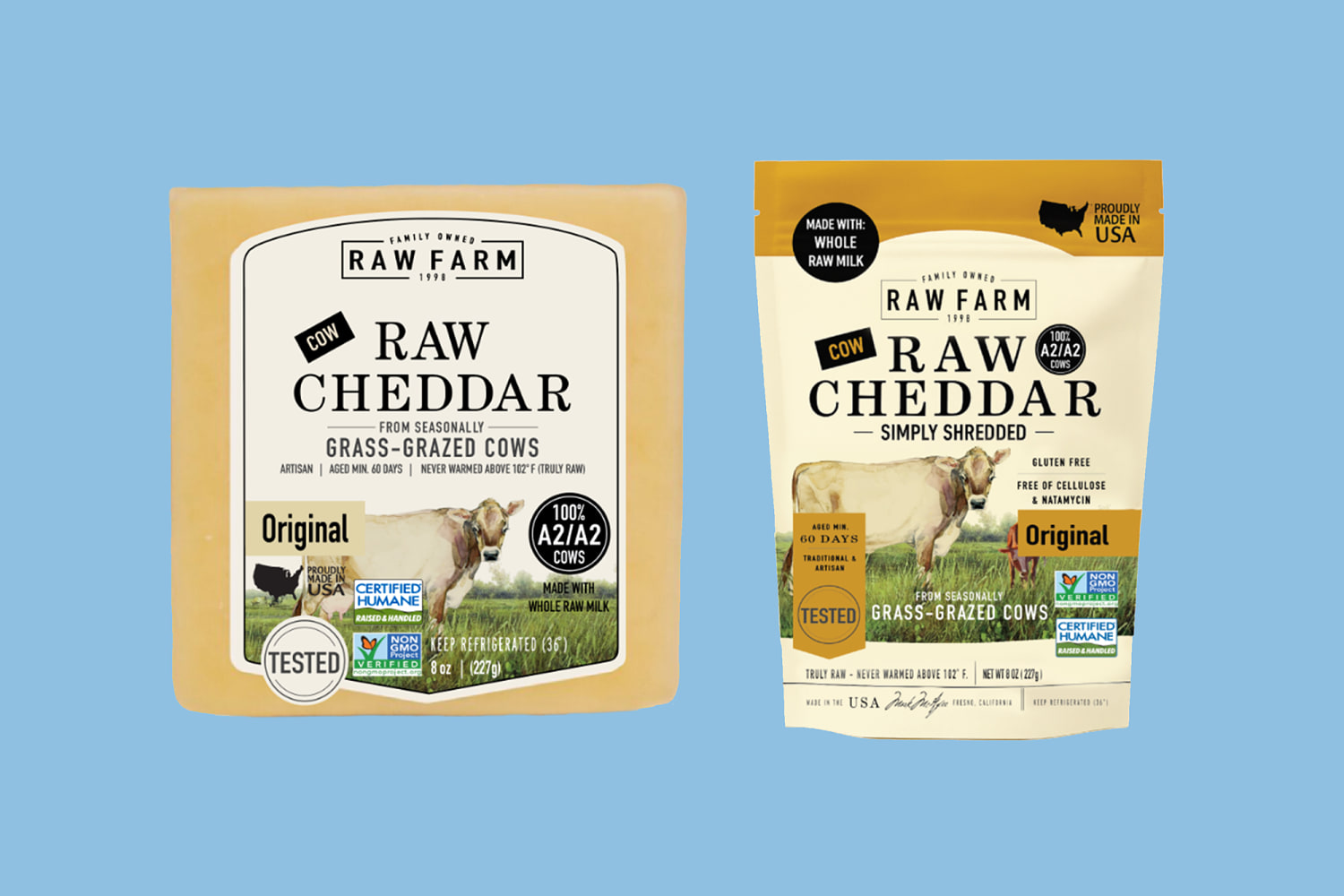
The recent recall of raw milk cheese by a California producer following an outbreak of Escherichia coli O157:H7 exposes a fundamental tension between artisanal production methods and the biological realities of food safety. While standard food reporting focuses on the narrative of the recall, a structural analysis reveals that the incident is not an isolated error but a predictable outcome of a high-risk supply chain. The presence of Shiga toxin-producing E. coli (STEC) in unpasteurized dairy products represents a failure of the multi-hurdle safety approach, where the absence of a terminal lethality step (pasteurization) places an unsustainable burden on upstream hygiene and environmental controls.
The Pathogenic Variable Analysis
The risk profile of raw milk cheese is dictated by the presence of STEC, a group of bacteria that colonizes the intestinal tracts of healthy ruminants. Unlike common foodborne illnesses, STEC-related outbreaks—specifically the O157:H7 strain—carry a high morbidity rate due to their ability to induce Hemolytic Uremic Syndrome (HUS). This condition causes microangiopathic hemolytic anemia, thrombocytopenia, and acute kidney failure.
The core vulnerability in raw milk systems lies in the Contamination Threshold. In a pasteurized system, the thermal process provides a 5-log reduction in pathogens, effectively neutralizing the risk of a high initial microbial load. In a raw milk system, the safety of the final product is entirely dependent on preventing the initial entry of the pathogen. This creates a zero-tolerance environment where a single point of failure at the farm level—be it a contaminated udder, a failure in milking equipment sanitation, or an asymptomatic shedding cow—directly translates into a public health crisis.
The Three Pillars of Dairy Risk Management
To understand why this specific California outbreak occurred, one must deconstruct the operational framework of raw dairy production into three distinct variables:
1. The Environmental Reservoir
Cattle are the primary reservoir for E. coli O157:H7. The prevalence of shedding varies based on seasonality, diet, and herd density. In a closed-loop artisanal system, the producer assumes the role of a biological gatekeeper. The failure here is often a breakdown in Somatic Cell Count (SCC) monitoring or a lapse in pre-milking sanitation protocols. When a dairy bypasses pasteurization, the farm environment ceases to be a "pre-processing site" and becomes the "critical control point." Any fluctuation in the herd's microbiome can introduce pathogens that the subsequent cheese-making process may not be equipped to eliminate.
2. The Fermentation Bottleneck
Cheese-making is often cited as a preservation method, but its efficacy as a pathogen-reduction step is conditional. The transformation of milk into cheese involves lowering the pH through lactic acid production and reducing water activity ($a_w$). For certain pathogens, this is sufficient. However, E. coli O157:H7 is uniquely acid-tolerant. If the fermentation process is sluggish or if the initial inoculation of the pathogen is high, the bacteria can survive the aging process.
The "60-day aging rule," often mandated for raw milk cheeses, is a regulatory compromise rather than a scientific guarantee. While 60 days of storage at temperatures not less than 35°F (1.7°C) may reduce some pathogens, studies have shown that STEC can persist in cheddar and other hard cheeses for significantly longer periods. The California recall demonstrates that the aging process serves more as a decelerant than a disinfectant.
3. The Cold Chain and Distribution Friction
The shelf-life and safety of raw dairy are hypersensitive to temperature fluctuations. Once the product leaves the controlled environment of the creamery, it enters a high-variance distribution network. Any deviation from the optimal temperature range can allow for the proliferation of sub-lethal populations of bacteria that were present but dormant during the production phase.
The Cost Function of Regulatory Non-Compliance
The economic impact of a recall in the raw dairy sector is disproportionately higher than in conventional dairy. This is due to the Brand Equity Erosion Factor. Raw milk consumers represent a niche market driven by perceived health benefits and a "return to nature" ethos. When a producer linked to these values causes a severe outbreak, the trust deficit is often terminal for the business.
Beyond the immediate loss of inventory, the producer faces:
- Legal Liability Volatility: STEC cases frequently lead to litigation involving high-damage awards, particularly if HUS is present.
- Regulatory Scrutiny Escalation: A single positive test for O157:H7 triggers a mandatory shift from routine inspections to "for-cause" audits, which are more invasive and costly.
- Market Contraction: Outbreaks in the raw sector often lead to calls for tighter legislation, affecting the entire industry's ability to operate across state lines.
The Biological Mechanism of Shiga Toxin
To categorize the severity of the California outbreak, one must look at the cellular level. Shiga toxins (Stx1 and Stx2) act by inhibiting protein synthesis within human cells. The toxin binds to the globotriaosylceramide (Gb3) receptor on the surface of target cells, particularly the vascular endothelium. Once internalized, the A-subunit of the toxin cleaves the 28S ribosomal RNA, halting all protein production and leading to cell death.
This mechanism explains why antibiotics are frequently contraindicated in STEC infections. Inducing stress or lysis in the bacteria can trigger a massive release of the toxin, potentially worsening the patient's progression toward HUS. This biological reality places the burden of safety squarely on prevention and detection rather than post-infection treatment.
Structural Improvements for High-Risk Producers
For artisanal producers to survive in a regulatory landscape that is increasingly data-driven, they must move beyond traditional "best practices" and adopt a Quantitative Risk Assessment (QRA) model.
Advanced Pathogen Screening
The industry standard of testing finished lots is a "lagging indicator." By the time a lot tests positive, the contamination may have already spread through the facility. Producers must implement Environmental Monitoring Programs (EMP) that test for indicator organisms (non-pathogenic E. coli or Enterobacteriaceae) at high-frequency intervals. This allows for the identification of "hot spots" in the facility before they contaminate the product.
Genetic Fingerprinting and Traceability
Utilizing Whole Genome Sequencing (WGS) allows producers and regulators to link environmental samples to clinical cases with absolute precision. For the consultant, this means that plausible deniability is no longer a viable legal strategy. Producers must maintain exhaustive records of every batch, from the specific cows milked to the batch of rennet used.
The pH-Time-Temperature Matrix
Producers must treat the cheese-making process as a mathematical equation. If the rate of acidification does not meet specific benchmarks (e.g., reaching a pH of < 5.3 within a set timeframe), the batch should be diverted for pasteurization or destruction. This proactive culling of "low-acid" batches is the only way to mitigate the acid-tolerance of E. coli.
The Inherent Limitations of Raw Systems
It is a fallacy to suggest that any protocol can render raw milk cheese "zero-risk." The absence of a kill step means the system is always one human error away from a pathogen breach. This is the Residual Risk Margin. Even with the most stringent controls, the biological nature of dairy farming involves feces in close proximity to food.
The California outbreak highlights that the "Raw" label is not just a marketing term but a risk designation. As consumer demand for unpasteurized products grows, the infrastructure supporting them must transition from "farm-style" to "clinical-grade" to survive the inevitable microbial challenges of the environment.
The strategic imperative for any producer in this space is to internalize the costs of safety—testing, surveillance, and facility upgrades—as a core operational expense rather than a secondary compliance burden. Failure to do so results in a "safety debt" that is eventually called due by the public health system, often at the cost of the enterprise's existence.
The immediate move for stakeholders is to audit the Pathogen Interference Capacity of their current production cycles. This involves a rigorous assessment of whether the current aging and acidification protocols are scientifically validated to suppress the specific strains identified in the California outbreak. If the data does not support a high probability of suppression, the operational model must be reconfigured to prioritize microbial exclusion over traditional artisanal aesthetics. This is the only path toward reconciling the desire for raw dairy with the non-negotiable requirement of public safety.