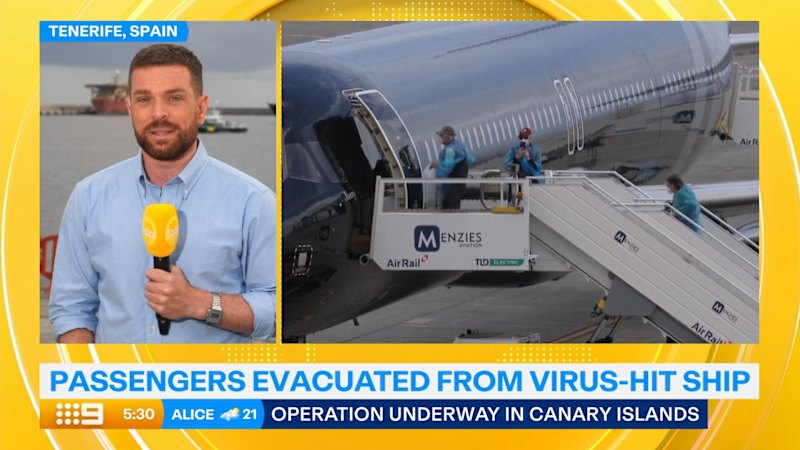
The headlines are predictable. They are dripping with manufactured pathos. "Stranded." "Awaiting evacuation." "Ordeal at sea."
Whenever a luxury cruise ship hits a sandbar, a mechanical glitch, or a quarantine zone, the media treats it like a humanitarian crisis on par with a displacement camp. Australian passengers, often described as "trapped" in their $500-a-night suites, wait for governments to burn taxpayer capital on high-stakes extraction.
It is time to stop the charade. A delayed cruise ship is not a disaster. It is a contract dispute.
The Myth of the Stranded Voyager
The word "stranded" implies a lack of agency and a lack of resources. If you are stuck on a mountain with a broken leg and a thinning thermal blanket, you are stranded. If you are on a 100,000-ton vessel with a desalination plant, three months of frozen ribeye, and a staff-to-guest ratio of one-to-three, you are merely inconvenienced.
The current narrative surrounding the "evacuation" of Aussie passengers from stalled vessels focuses entirely on the emotional toll of a ruined holiday. This is a classic misdirection. By framing these incidents as rescue missions, the cruise industry successfully offloads its operational risks onto the public sector.
Why are we using diplomatic channels and military-grade logistics to solve a private company’s service delivery failure?
The Moral Hazard of High-Seas Bailouts
In economics, moral hazard occurs when one party takes risks because they know another party will bear the costs. The cruise industry is the poster child for this phenomenon.
These companies register their ships in Panama or the Bahamas to dodge taxes and labor laws. They operate in a legal gray zone that allows them to skim the cream off the global travel market while contributing pennies to the infrastructure they rely on. Yet, the moment a hull touches a reef or a generator fails, they look to the Australian, American, or British governments to facilitate "evacuations."
- Tax Avoidance: Most major cruise lines pay an effective tax rate near 0% by using foreign flags of convenience.
- Resource Drain: A single government-coordinated evacuation involves hundreds of man-hours from DFAT, Border Force, and health officials.
- The Precedent: Every time a government steps in to "save" passengers, it reinforces the idea that the cruise line isn't responsible for the end-to-end safety and return of its customers.
If a Qantas flight is grounded in Singapore, the airline pays for the hotels. If a tour bus breaks down in the Outback, the operator sends another bus. But when a cruise ship fails, we treat it like a national emergency. We have been conditioned to see a buffet-laden floating hotel as a sinking Titanic, and the cruise lines are laughing all the way to the offshore bank.
The Evacuation Industrial Complex
Let’s dismantle the "evacuation" itself. Most of the time, what passengers are actually waiting for is a bureaucratic shortcut. They want to bypass local customs, skip the standard commercial flight home, and have a chartered jet waiting for them.
I have seen the internal logistics of these "disasters." I have watched companies prioritize their stock price over passenger logistics, knowing that if they wait long enough, the home government of the passengers will feel the political pressure to intervene. It is a game of chicken played with public sentiment.
The Reality of Maritime Law
Under the Athens Convention and various domestic consumer laws, the carrier has a duty of care. But that duty of care is frequently interpreted in the narrowest possible sense. They provide the bed and the food, but the moment the ship stops moving, they claim force majeure.
We need to redefine what constitutes a maritime emergency.
- Life and Limb: Immediate danger of sinking or fire. (Requires State intervention).
- Operational Failure: Mechanical breakdown or port denial. (Requires Private resolution).
The vast majority of "Aussie passengers awaiting evacuation" fall into the second category. They are in no physical danger. They are simply bored, frustrated, and stuck in a location they didn't choose. That is a consumer rights issue, not a rescue mission.
The Hidden Cost of Sympathy
The "People Also Ask" sections of the internet are filled with queries like "Will the government fly me home if my cruise is cancelled?" The answer should be a resounding "No."
When we prioritize the "evacuation" of luxury travelers, we are diverting resources from genuine consular emergencies. While a team of diplomats is busy negotiating the disembarkation of 800 tourists in a mid-tier port, they aren't helping the backpacker who was robbed in a remote village or the family caught in a genuine civil conflict.
We have pathologized the discomfort of the wealthy. We’ve been told that a week of "uncertainty" on a ship with a working bar is a trauma. It’s not. It’s a risk inherent in the travel industry.
Stop Fixing the Wrong Problem
The solution isn't better evacuation protocols. The solution is forcing the industry to internalize its own costs.
If you are a passenger, stop looking to the government. You bought a ticket from a corporation that deliberately avoids your country's laws. You signed a contract that likely limits their liability to a "pro-rata refund" of your fare. You accepted the risk the moment you stepped onto that gangway.
If you want a guarantee of a seamless return, don't travel on a vessel that relies on a Liberian flag for its legal existence.
The Harsh Advice for the Modern Traveler
- Buy Actual Insurance: Not the "protection plan" sold by the cruise line. That’s a revenue stream for them, not a safety net for you. You need independent, high-level travel insurance that covers "repatriation of remains and remains of vacation."
- Expect the Breakdown: Maritime environments are brutal. Engines fail. Viruses spread. If your life or business will collapse because you are ten days late getting home, you shouldn't be on a ship.
- Litigate, Don't Legislate: Stop asking for new government task forces. Start filing class-action lawsuits that target the parent companies in jurisdictions where they actually hold assets.
The "ordeal" of the Aussie cruise passenger is a product of a pampered travel culture that has forgotten what the ocean actually is. The sea is a volatile, indifferent environment. A cruise ship is a massive mechanical system prone to failure. When those two realities collide, it isn't a tragedy. It's the price of the ticket.
We must stop treating these incidents as news. They are minor commercial failures. Every time we fly a government jet to "rescue" someone from a luxury cabin, we are subsidizing an industry that refuses to pay its fair share.
Let them stay on the ship. Let them eat the lobsters. Let the cruise line figure out how to get them home on their own dime. Until the financial pain of a breakdown exceeds the cost of proper maintenance and honest registration, nothing will change.
The next time you see a headline about "stranded" passengers, remember: they aren't victims of the sea. They are customers of a broken business model, and you are being asked to foot the bill for their exit strategy.
Stop calling for a rescue. Call for a refund.