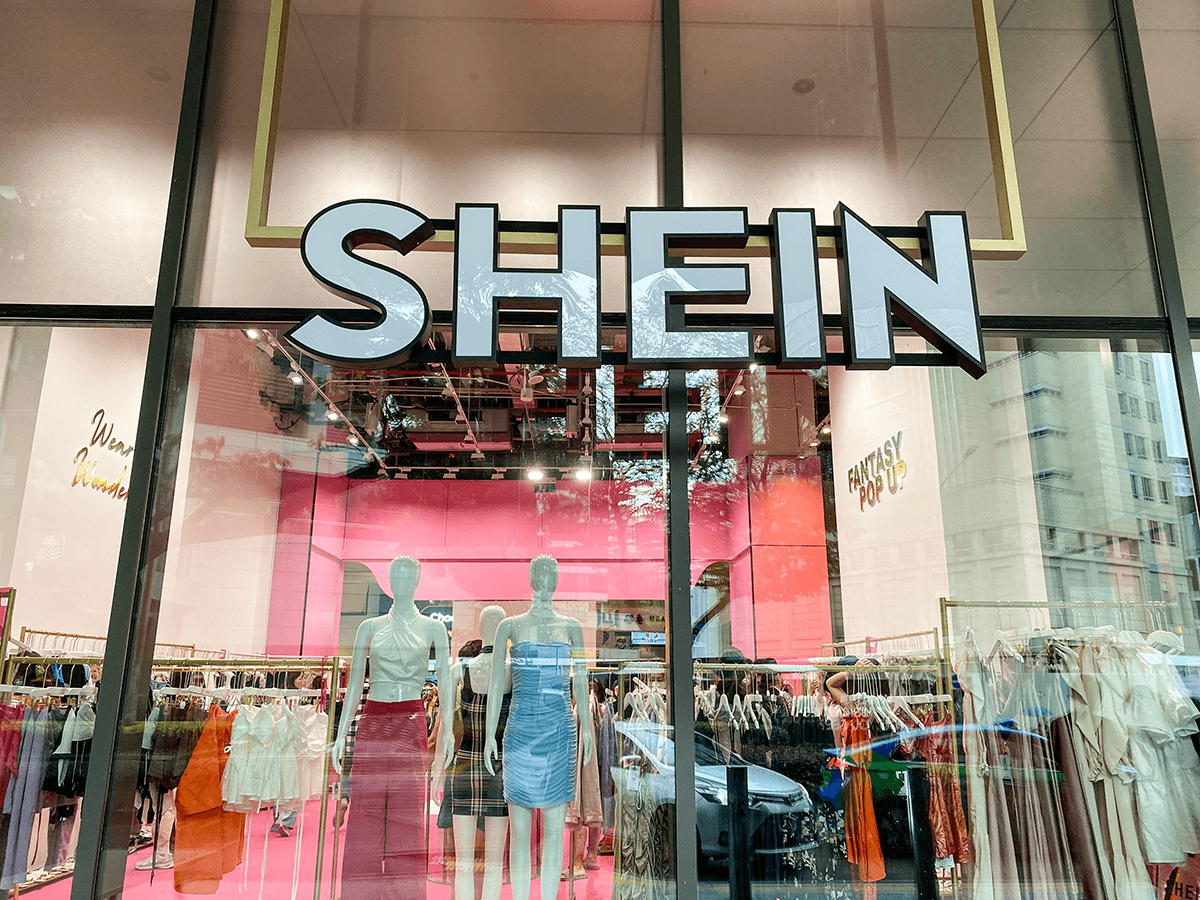
The fast-fashion giant Shein is buying Everlane. Let that sink in for a second. The company that built its entire brand identity on radical transparency, ethical factories, and timeless closet staples is being swallowed by the absolute king of ultra-cheap, disposable, algorithmic apparel.
It feels dirty. It feels cynical. But honestly, it makes perfect business sense for both sides.
If you follow the retail industry, your first reaction was probably disbelief. How does a San Francisco brand that used to break down the exact cost of zippers, silk, and labor on its website align with a Chinese-founded juggernaut known for churning out thousands of new styles a day at five dollars a pop?
The short answer is that the old retail playbook is dead. The idealistic direct-to-consumer boom of the 2010s has officially collided with the brutal realities of scale, inflation, and shifting consumer habits. Shein wants respectability and a foot in the door with Western regulators. Everlane just wants to survive.
Why Everlane Ran Out of Gas
To understand why this acquisition happened, you have to look at the slow deflation of the direct-to-consumer e-commerce bubble. Everlane launched in 2011 with a brilliant hook. They promised high-quality basics without the traditional retail markup. They showed you the factories. They told you the markup. For a few years, it worked beautifully.
Then everyone else did the exact same thing.
Customer acquisition costs on platforms like Instagram and Facebook skyrocketed. Apple changed its privacy rules, making it incredibly expensive for independent brands to target new shoppers. At the same time, supply chain costs went through the roof.
Everlane started losing its grip on the narrative. The brand faced internal labor disputes and accusations that its progressive corporate culture did not match the reality for its workers. They quietly dropped the detailed cost breakdowns from their product pages. They started running constant sales. Once a brand relies on perpetual discounts to move inventory, the premium aura vanishes.
By the time inflation hit consumers hard in the mid-2020s, a sixty-dollar plain t-shirt became a luxury many shoppers decided they could live without. The math stopped working. Everlane needed a lifeline, and independent venture capital funding for struggling fashion brands dried up long ago.
What Shein Actually Gets From San Francisco
Shein does not need Everlane’s supply chain. They do not need Everlane’s design team. Shein already runs the most efficient, data-driven apparel manufacturing network on earth. What they desperately lack is cultural legitimacy.
Shein has faced relentless scrutiny from politicians, environmental groups, and regulators worldwide. Critics point to the massive carbon footprint of shipping millions of individual packages via air freight from warehouses in China. Lawmakers frequently target the de minimis loophole, which allows packages valued under eight hundred dollars to enter the United States duty-free.
Buying Everlane gives Shein an immediate injection of brand equity.
- An established, respected Western brand name.
- A built-in audience of affluent, environmentally conscious shoppers.
- Physical retail stores in major American cities.
- A blueprint for sustainable material sourcing that they can attempt to scale.
By adding a premium, eco-friendly label to its portfolio, Shein can position itself as a multi-tier retail conglomerate rather than just a fast-fashion machine. It is a classic corporate image-washing strategy. They want to show Capitol Hill and European regulators that they care about sustainability and brick-and-mortar retail.
The Hypocrisy of the Modern Shopper
We say we want ethical fashion. Our shopping carts say otherwise.
This deal highlights a massive disconnect in consumer behavior. In surveys, shoppers routinely state that they prefer sustainable, ethical brands and are willing to pay more for them. But look at the actual revenue data. Shein’s global sales have exploded over the last few years, reaching tens of billions of dollars. They outpaced traditional giants like H&M and Zara by treating clothing like digital content—fast, addictive, and disposable.
The reality is that high-quality, ethically made clothing is expensive. In a tight economy, the average consumer chooses price and variety over sustainability every single time. Everlane tried to bridge the gap between luxury quality and mass-market pricing, but they got caught in the middle. They were too expensive for the budget shopper and not exclusive enough for the luxury buyer.
Shein figured out the true modern consumer algorithm. They use real-time data to track what trends are bubbling up on TikTok, produce them in tiny batches of one hundred to two hundred items, and scale production instantly if a piece goes viral. It is an incredibly efficient system that completely eliminates the traditional fashion calendar. Everlane, with its focus on timeless essentials that stay in style for years, is the exact opposite of this model.
What Happens to the Clothes Now
If you love Everlane's classic clean silk shirts or their Italian leather boots, you should probably buy them now.
When a massive data-driven company buys a smaller, vibe-driven brand, the original product quality rarely survives intact. Shein will almost certainly look to optimize Everlane's production. They will want to cut costs, shorten lead times, and find efficiencies.
You might see Everlane items manufactured using Shein’s micro-production facilities. The company will claim this reduces waste because they only make what sells. But the materials will likely change. The attention to detail will likely slip. The radical transparency will likely become a marketing slogan rather than a core operational practice.
We have seen this movie before. When large conglomerates buy independent darlings, the things that made the brand special in the first place get sanded down in pursuit of margin.
How to Navigate the New Retail Environment
If this acquisition proves anything, it is that independent fashion brands cannot survive on good intentions alone. For consumers who genuinely care about the footprint of their wardrobe, the options are shrinking.
Stop looking for a single brand to solve your ethical shopping dilemma. No multi-million-dollar corporation can perfectly balance mass production with total sustainability. Instead, focus on buying less and keeping items longer. Look at the resale market on platforms like eBay, Poshmark, or Depop for vintage pieces from brands before they got bought out.
For independent designers, the lesson is clear. Relying on venture capital to chase massive scale is a trap. The future of sustainable fashion belongs to small, lean operations that cater to a dedicated niche audience and refuse to play the volume game. If you try to scale to the size of a department store without the backing of a massive supply chain engine, you will eventually end up on the auction block.
Keep an eye on your favorite indie labels. The retail consolidation wave is not over yet, and the brands you love today might belong to a global tech giant tomorrow. Look closely at the tags of your next purchase. Check the materials. Watch the pricing structure. The labels might stay the same, but the supply chains behind them are shifting permanently.