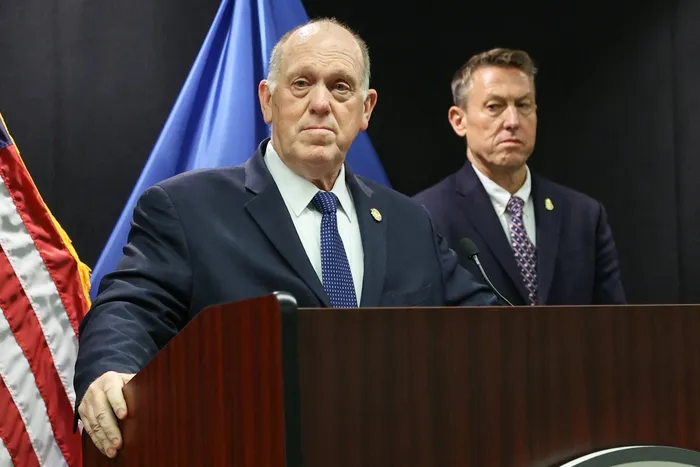
The Department of Homeland Security is staring down a massive funding gap that could send shockwaves through national security, and frankly, the fix on the table looks like a Band-Aid for a bullet wound. Senators are currently scrambling to piece together a deal that prevents a total shutdown of the DHS, but the political price tag is getting higher by the hour. If you think this is just another standard budget squabble, you aren't paying attention to how much leverage is being traded behind closed doors.
Stopping a DHS shutdown isn't just about keeping the lights on at airport security or ensuring Coast Guard cutters have fuel. It’s about the massive machinery of border enforcement, disaster response, and cybersecurity. When the money stops, the people we rely on to manage these systems often have to work without a paycheck. That's a recipe for burnout and a security nightmare.
The Senate Strategy to Keep DHS Running
Right now, a group of bipartisan Senators is betting on a "clean" funding bill to bypass the more controversial immigration riders that have stalled progress in the House. It’s a classic Washington move. They want to decouple the immediate need for agency cash from the explosive debate over asylum policies and border wall construction.
The logic is simple. If they can get a veto-proof majority in the Senate, it puts immense pressure on House leadership to bring the bill to the floor without the "poison pill" amendments that usually kill these deals. It sounds great on paper. In reality, it’s a high-stakes game of chicken. Some lawmakers are refusing to sign off unless they get specific concessions on detention bed mandates or tech upgrades for the Border Patrol.
We've seen this movie before. The tension between the "security first" crowd and the "policy reform" crowd usually leads to a last-minute extension that solves nothing long-term.
What a DHS Shutdown Actually Looks Like
Most people assume a government shutdown means everything stops. It’s more complicated than that. Essential personnel stay on the job. That sounds fine until you realize those employees—TSA agents, Border Patrol officers, and Secret Service details—don't get paid during the lapse.
Imagine showing up to a high-stress job where you're responsible for preventing a terrorist attack or stopping a drug shipment, knowing your mortgage payment is due and your bank account is empty. It’s a massive hit to morale. During the 35-day shutdown in 2018-2019, we saw a significant spike in "sick-outs" at major airports. Security lines stretched for miles. The system started to buckle.
Beyond the front lines, the administrative side of DHS completely freezes.
- E-Verify systems go dark, making it harder for businesses to check employment eligibility.
- Training programs for local law enforcement are canceled.
- Grant processing for disaster-stricken areas slows to a crawl.
It isn't just a political inconvenience. It’s a systemic failure.
The Immigration Standoff Blocking the Money
The real reason we're even talking about a DHS shutdown is the fundamental disagreement over how to handle the southern border. This isn't a secret. One side wants more money for physical barriers and detention space. The other side wants more funding for processing centers, asylum judges, and humanitarian aid.
By tying DHS funding to these specific policy outcomes, Congress has turned a basic administrative duty into a hostage situation. The Senators trying to find a middle ground are looking at a "tiered" funding approach. This would potentially fund the less controversial parts of the agency—like the Cybersecurity and Infrastructure Security Agency (CISA)—for a longer period while keeping the border-related agencies on a shorter leash.
It’s a messy way to run a country. It forces agency leaders to spend more time planning for shutdowns than actually managing their departments.
Why This Time Feels Different
In 2026, the stakes are higher because the tech is moving faster than the legislation. DHS is currently trying to integrate advanced AI for cargo scanning and biometric verification at ports of entry. These are multi-year contracts that require stable, predictable funding.
When Congress plays games with the budget, these contracts get delayed. That doesn't just cost money; it leaves us vulnerable. If we're using 2018 technology to fight 2026 threats because a budget bill got stuck in a subcommittee, we've already lost.
The Senators leading the charge—typically a mix of moderate Republicans and centrist Democrats—are trying to argue that national security should be "above" the usual partisan bickering. It's a tough sell. Every time a Senator tries to be the "adult in the room," they face a primary challenge from the fringes of their own party.
The Economic Cost of Political Gridlock
We often forget that DHS is a major economic engine. FEMA, which sits under the DHS umbrella, manages billions in disaster relief. If a major hurricane hits during a shutdown, the response is hampered. The personnel are there, but the ability to sign new contracts for supplies or logistics is severely restricted.
Then there's the travel industry. A few days of TSA delays can cost the airline industry hundreds of millions. It's a domino effect. If travelers stay home because they don't want to wait four hours in a security line, hotels lose bookings, restaurants lose customers, and the economy takes a hit.
The Senate plan recognizes this. They're trying to frame the funding bill as an "economic stability" measure. It’s a smart pivot, but whether it'll convince the hardliners in the House remains to be seen.
What Needs to Happen Next
If you're tired of the constant threat of shutdowns, you're not alone. The current Senate plan is a stopgap. The real solution is moving toward a biennial budget or at least separating national security funding from the broader discretionary budget.
Watch the "Cloture" votes in the coming days. That’s where the real story is. If the Senate can't muster 60 votes to even debate the funding bill, the DHS is headed for a dark period.
If you want to stay informed or take action, keep an eye on the Congressional Budget Office (CBO) reports. They provide the actual numbers behind the rhetoric. Contact your representatives and tell them that paychecks for security personnel shouldn't be a bargaining chip. The safety of the country shouldn't depend on whether two people in a room can agree on a paragraph of text about asylum law. It's time to demand a cleaner process that prioritizes function over friction.