The sound is what stays with you. It is not a normal cough. It is a wet, desperate gasp, the sound of a throat being lined with concrete.
For three generations, pediatric wards across Australia have been mostly free of that sound. We grew comfortable. We looked at old graveyard headstones from the nineteenth century—those tragic rows of markers where three or four children from the same family died within a single week—and we felt a detached, modern pity. We thought we had evolved past the age of the "Strangling Angel."
We were wrong.
Right now, beneath the surface of a distracted nation, an old ghost is reclaiming its territory. More than 220 people across Australia have contracted diphtheria in the worst outbreak the country has witnessed in decades. The numbers alone are startling, but numbers are cold. They do not show the terror of a parent watching a grey membrane slowly creep across the back of their child’s throat, suffocating them from the inside out.
To understand how we arrived here, we have to look past the spreadsheets and into our own collective forgetfulness.
The Anatomy of an Invisible Siege
Imagine a microscopic invader that does not just destroy cells, but weaponizes them.
When Corynebacterium diphtheriae enters the human body, it hitches a ride on droplets in the air. A sneeze in a grocery aisle. A shared toy at a daycare. A conversation at a backyard barbecue. At first, it mimics a mild cold. A low-grade fever. A sore throat. You might reach for lozenges. You might promise yourself an early night in bed.
But the bacteria are busy spinning a trap.
As they multiply, they release a potent toxin. This poison kills the healthy tissues in the respiratory system. Within days, the dead tissue forms a thick, leathery, grayish-black coating over the tonsils, pharynx, and nasal passages. Medical professionals call it a pseudomembrane. In plain terms, it is a living chokehold. It grows so thick that it physically blocks the airway.
If the toxin leaks into the bloodstream, the stakes escalate dramatically. It targets the heart muscle, causing myocarditis. It attacks the nerves, leading to paralysis. It is a calculated, multi-pronged assault on the human body.
For decades, this terrifying progression was a relic of the past. The introduction of the diphtheria vaccine in the 1930s and 1940s took a disease that killed thousands of Australian children annually and crushed it into near-extinction. By the turn of the century, a single case was a national anomaly, a medical curiosity to be studied in textbooks.
Then, the shield began to rust.
The Illusion of Permanent Safety
Consider a hypothetical family living in a quiet suburb of Brisbane or Sydney. Let’s call them the Martins. Sarah, the mother, is meticulous about nutrition. She buys organic vegetables, ensures her kids get plenty of sunlight, and limits screen time. When it comes to vaccination, she isn’t angry or radical; she is simply relaxed. She looks around her community and sees no diphtheria. She sees no polio. She sees no tetanus.
In her mind, these diseases belong to history, or perhaps to impoverished corners of the globe. Because she has never seen the Strangling Angel, she concludes the angel no longer exists. She skips the booster shots. She delays the childhood schedule.
Sarah is not alone. This is the great paradox of public health: success breeds complacency. When vaccines work perfectly, the diseases they prevent vanish from public consciousness. The absence of threat creates a false sense of security. We begin to fear the preventative measure more than the catastrophic illness it prevents.
But the bacteria did not pack up and leave the planet. They simply waited in the shadows, surviving in tiny pockets, waiting for the defensive wall to drop low enough for them to breach.
With over 220 cases now confirmed, that breach is no longer a hypothetical warning. It is a reality unfolding in modern hospitals. The outbreak has rippled through diverse communities, hitting areas where vaccination coverage has subtly eroded over the years, as well as vulnerable populations with limited access to consistent healthcare.
The Forgotten Art of Diagnosis
The crisis is complicated by a second, hidden vulnerability: our doctors have never seen it either.
Medical education in Australia is world-class, but for forty years, a general practitioner could go an entire career without diagnosing a single case of diphtheria. When a patient walks into a clinic today complaining of a sore throat and difficulty swallowing, the mind of a modern doctor naturally jumps to common culprits. Strep throat. Glandular fever. Tonsillitis. Perhaps a severe bout of COVID-19 or influenza.
During the initial stages of this outbreak, patients were sent home with standard antibiotics or simple advice to rest and hydrate. But diphtheria laughs at standard penicillin dosages if the toxin has already begun its march through the system.
By the time the characteristic grey membrane forms, valuable days have been lost. The specific antitoxin needed to neutralize the poison is not kept in standard pharmacy cabinets. It must be retrieved from specialized state stockpiles. Every hour of delay allows the toxin to bind deeper into the heart and nervous system.
We are relearning, under immense pressure, how to spot an ancient killer. GPs are being forced to look at routine sore throats with a new level of suspicion. They are peering down throats with torches, looking for that telltale shadow of grey tissue, knowing that missing it could be fatal.
The Ripples Beyond the Individual
The true weight of an outbreak of this scale is not confined to the isolation wards of our major hospitals. It ripples outward, tearing at the fabric of daily life in ways we are entirely unprepared for.
When a single case is detected in a school or a close-knit community, the public health response must be swift and aggressive. Contact tracing teams mobilize. Dozens of people who stood near the infected individual must be tracked down, swabbed, and placed on prophylactic antibiotics. Those who cannot prove their vaccination status face sudden, disruptive quarantines.
Parents are forced to take time off work. Classrooms sit half-empty. The economic cost builds quietly, a steady drain of resources from an already strained healthcare system.
But the emotional toll is heavier. Trust begins to fracture. Neighbors look at neighbors with suspicion, wondering whose unimmunized child brought the old world back into the new. The shared spaces of our communities—parks, libraries, cafes—suddenly feel less like sanctuaries and more like vectors of transmission.
The confusion is palpable. People find themselves asking questions they thought were settled in their grandparents' era. Can adults get it? Yes, immunity fades without regular boosters. Is it treatable? Only if caught incredibly early. Why is this happening now? Because we forgot that freedom from disease is a continuous lease, not a permanent purchase.
The Vulnerability of the Shield
We often talk about herd immunity as a cold, scientific metric—a percentage on a government graph. We are told we need 95% coverage to keep the peace. But what does that look like in human terms?
Picture a crowded train carriage during morning rush hour. Within that carriage sits an elderly man whose immune system is ravaged by chemotherapy. Next to him is a three-month-old infant, too young to have completed her full course of vaccinations. Across the aisle is a young woman with a severe autoimmune disorder who cannot safely receive certain vaccines.
These individuals cannot protect themselves. They rely entirely on the bodies of the people surrounding them to act as a physical shield. When healthy people in that carriage keep their vaccinations up to date, they become a human wall, stopping the bacteria from ever reaching the vulnerable.
When we choose to skip a booster, we are not making an isolated choice that only affects our own household. We are removing a brick from that communal wall. If enough bricks are pulled out, the wall collapses, and the wind rushes through, hitting the weakest among us first.
The current 220-plus cases in Australia are proof that our collective wall has developed dangerous gaps. The bacteria found those gaps with unerring accuracy.
The Choice Before the Fever
The sun still rises over quiet Australian suburbs. On the surface, everything looks normal. Children play in parks, schools ring their morning bells, and the cafes fill with the morning rush.
But inside the respiratory isolation units, the air is thick with tension. Nurses don heavy protective gear. Monitors beep with rhythmic anxiety. Doctors consult with infectious disease experts, calculating dosages of antitoxin, hoping they caught the infection in time to save a heart from failing.
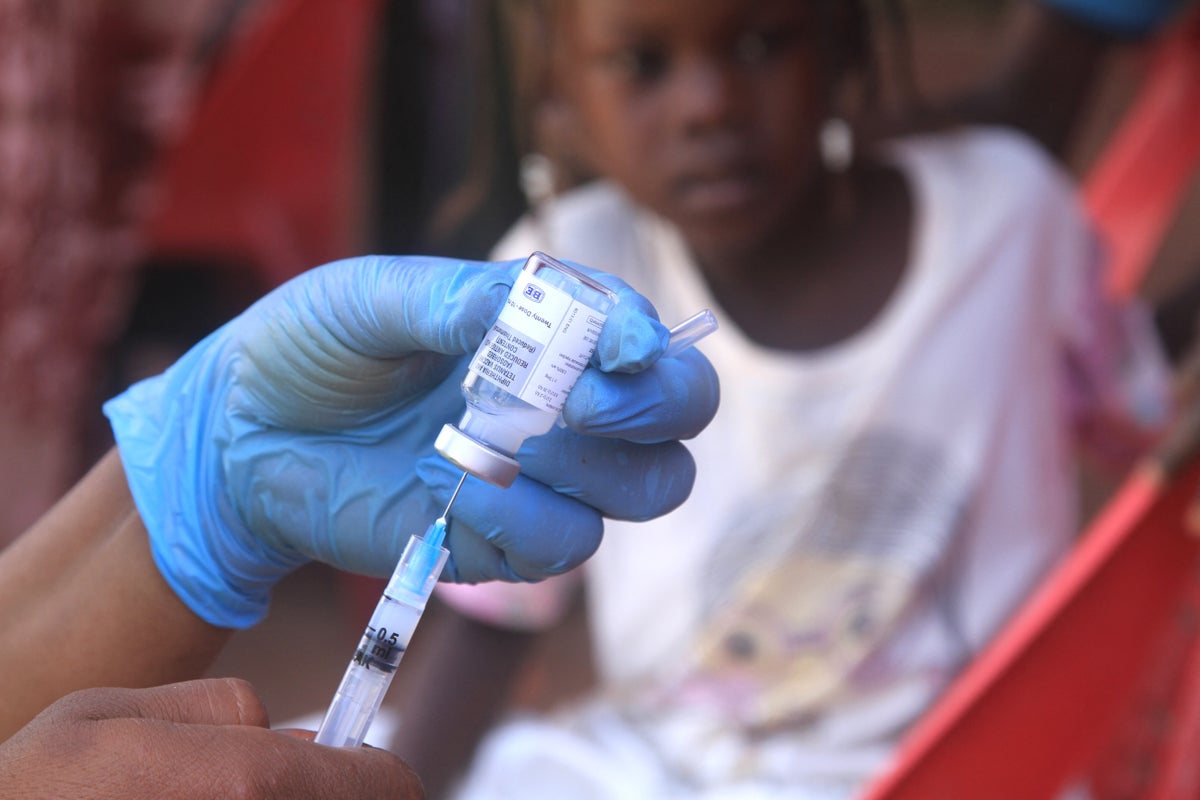
We do not have to live in fear of the Strangling Angel. The tragedy of this outbreak is that the weapon to defeat it has been sitting in every local medical clinic for decades, cheap and readily available. The remedy is not a complex, experimental therapy; it is a simple patch of preventative care that takes five minutes to administer.
The current outbreak will eventually peak and recede. The efforts of public health teams and the sheer force of modern medical intervention will pull us through this crisis. But the real question is what we do when the headlines fade.
Will we slip back into the comfortable fog of forgetfulness? Will we allow ourselves to believe once again that the diseases of the past are gone forever? Or will we look at the grey shadow in the throats of these 220 Australians and remember that our safety is only as strong as our willingness to protect one another?
The answer to that question isn't found in government reports or policy documents. It is found in the quiet decisions made at kitchen tables, in the appointments booked with local doctors, and in the understanding that we are all caretakers of the invisible shield that keeps the darkness at bay.