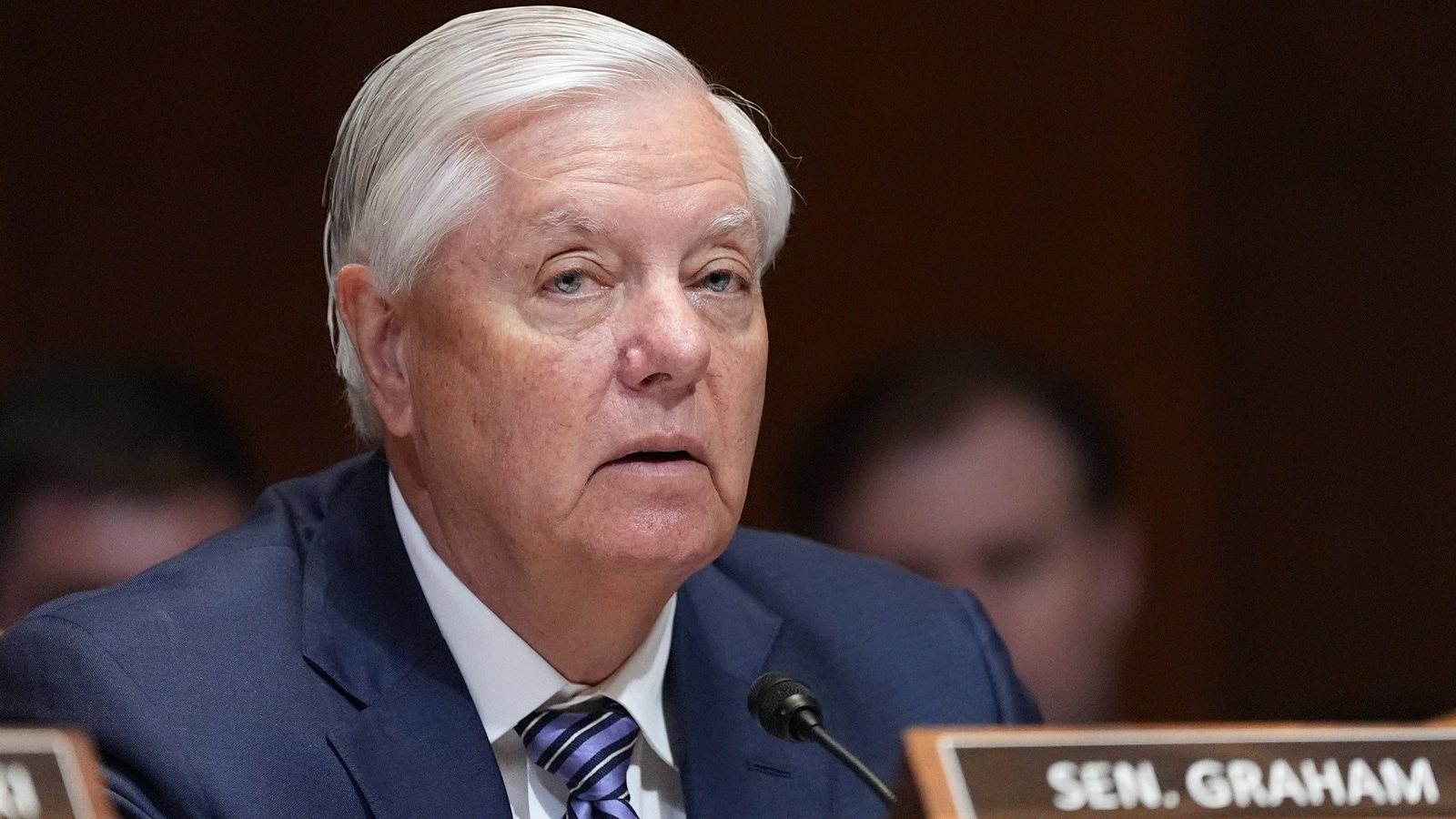
The idea of Pakistan acting as a neutral referee in a fight between Washington and Tehran has always been a bit of a stretch. But following Senator Lindsey Graham’s recent verbal demolition of Islamabad's credibility, that stretch has officially snapped. Graham didn't hold back, basically saying he doesn't trust Pakistan as far as he can throw them. When you look at the reports of Iranian military jets hiding out on Pakistani runways, it's hard to argue with his skepticism.
For weeks, Islamabad has tried to play the role of the indispensable bridge, hosting the "Islamabad Talks" and brokering temporary ceasefires that seem to fall apart before the ink is dry. While the Trump administration initially leaned on Pakistan to get Iran to the table, the mood in DC is souring fast. You can’t be the mediator on Monday and a parking lot for the enemy's air force on Tuesday.
The double game is falling apart
The core of the issue is a classic case of trying to sit on two chairs at once. Pakistan shares a 900-kilometer border with Iran and a massive, complicated history with the U.S. They want the prestige and "economic dividends" of being a global peacemaker, but they also won't risk a total break with Tehran.
Senator Graham's outburst wasn't just a random tweet. It came during high-stakes testimony where reports surfaced that Iran was using Pakistan’s Nur Khan Airbase to shield its reconnaissance and intelligence aircraft from U.S. strikes. If that’s true, Pakistan isn't a mediator; they’re a shield.
What the Nur Khan reports actually mean
- Strategic Shielding: By parking assets in a "neutral" country, Iran effectively puts them out of reach of U.S. bombs unless Washington is willing to risk a war with a nuclear-armed Pakistan.
- Intelligence Sharing: Having Iranian high-tech surveillance planes on your soil usually involves a level of coordination that goes way beyond "just visiting."
- Broken Neutrality: You can't facilitate a peace deal while simultaneously helping one side preserve the very military hardware the other side is trying to neutralize.
Why Graham is right to be skeptical
Honestly, anyone who has followed South Asian geopolitics for more than five minutes knows that "strategic depth" and double-dealing are part of the regional playbook. Graham’s point is that the current Iran conflict is too dangerous for this kind of ambiguity. He’s calling for a "complete reevaluation" of the relationship, and he's not alone.
The U.S. has spent decades giving Pakistan billions in aid, only to find out they were housing the very people we were hunting in Afghanistan. Seeing the same pattern repeat with Iran is a bridge too far for the hawks in Congress. Graham’s logic is simple: if the mediator is helping the adversary protect their military assets, the mediation is a sham designed to buy Iran time.
The failing Islamabad Talks
The so-called peace process in Islamabad is on life support. Despite the 15-point proposals and the 45-day truce plans, nothing is sticking. Iran is demanding a total lifting of sanctions and a solution to every regional conflict before they’ll even talk about their nuclear program. Meanwhile, the U.S. wants all enriched uranium handed over immediately.
Pakistan is stuck in the middle, trying to convince the Trump administration to extend deadlines while Iranian representatives are escorted into the country by Pakistani fighter jets. It’s a mess. The "shuttle diplomacy" is starting to look more like a delay tactic.
The reality of the 2026 ceasefire
- Violations: Both sides have ignored the two-week truce, with strikes continuing in Lebanon and the Strait of Hormuz remaining a choke point.
- Economic Desperation: Pakistan is facing its own energy crisis and domestic protests. They need this war to end for their own survival, which makes their mediation look more like an act of desperation than a position of strength.
- Trust Deficit: When Senator Graham says "no wonder this damn thing is going nowhere," he's touching on the fact that neither the U.S. nor Iran actually views Pakistan as a neutral party.
The move away from Islamabad
If the U.S. actually wants a deal that lasts, they're going to have to find a different middleman. You can’t build a stable peace on a foundation of distrust. Graham's call to look for "somebody else to mediate" is a direct signal that the current path is a dead end.
Expect the U.S. to pivot toward other regional players—perhaps more stable Gulf states or even a European backdoor—because the Pakistan route is too compromised. The "Nur Khan" scandal was the final straw. If you're hiding the other guy's planes, you don't get to hold the gavel at the peace talks.
Stop looking at the Islamabad Talks as a serious path to peace. They're a diplomatic theater. The real moves will happen when the U.S. stops pretending that Pakistan is an honest broker and starts dealing with the reality that Islamabad’s interests are simply not aligned with ours.
Lindsey Graham calls for end to Pakistani mediation
This video captures the moment Senator Graham expresses his blunt lack of trust in Pakistan's role as a peace mediator during the Iran conflict.