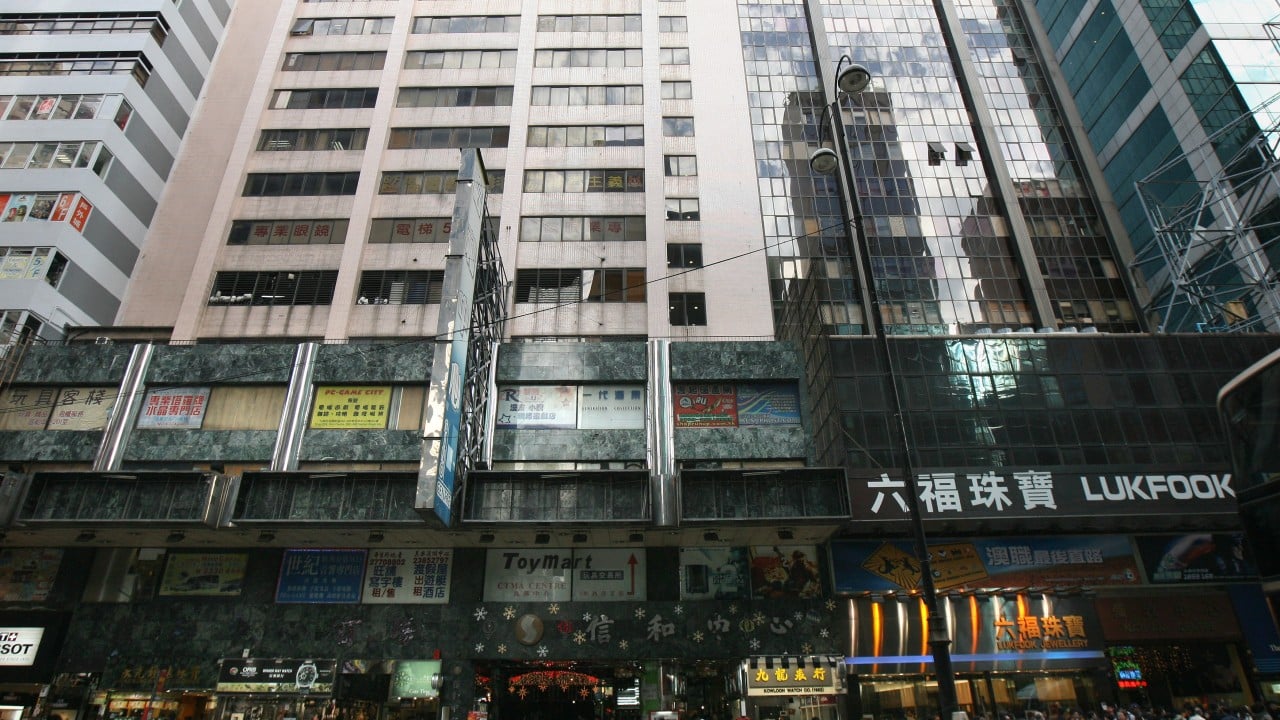
On April 5, 2024, a man walked into a shop in the Sino Centre in Mong Kok and walked out with HK$28,000 in paper and ink. He didn’t use a weapon. He didn’t hack a server. He simply waited for the moment the clerk’s eyes drifted before snatching two high-value Pokemon cards and vanishing into the humid density of Nathan Road. While Hong Kong police hunt for the suspect, this incident is merely the tip of a much larger, more predatory iceberg.
The theft at Sino Centre is the third major trading card heist in the city this year alone. Just days prior, a thief in Tsim Sha Tsui made off with two "Rayquaza Poncho-Wearing Pikachu" cards valued at a staggering HK$210,000. These are not crimes of opportunity committed by wayward teenagers. They are targeted hits on a high-liquidity, low-risk asset class that has turned the hobbyist’s “collect them all” mantra into a criminal’s “liquidate them fast.”
The Liquidity Trap
Why Pokemon? Gold is heavy and monitored. Watches have serial numbers registered with global databases like WatchBox or Rolex. High-end Pokemon cards, particularly those graded by PSA (Professional Sports Authenticator), carry massive value in a form factor that fits in a shirt pocket. They are the ultimate "gray market" currency.
In Hong Kong’s hyper-dense secondary markets—places like Sino Centre, In’s Point, and various independent shops in Sham Shui Po—cash is still king. A stolen card can be sold to an unscrupulous dealer or an unwitting collector within two hours of the theft. Because the "community" often relies on trust and handshake deals, the friction for moving stolen goods is dangerously low.
The problem is exacerbated by the sheer speed of price appreciation. A card that was worth HK$5,000 during the pandemic might fetch HK$30,000 today. Criminals have noticed that the security at a local hobby shop is significantly lighter than that of a jewelry store, even though the inventory value on the display shelf can easily top seven figures.
The Professionalization of Card Crime
We are seeing a shift in the "how." The Sino Centre theft involved a suspect who reportedly reviewed the cards for a significant period before fleeing. This is a classic "distraction and dash" maneuver that relies on the physical vulnerability of the product. Unlike a diamond, which is usually viewed under a loupe while still tethered or in a secure tray, cards are often handed over in top-loaders or acrylic cases for the buyer to inspect the "centering" and "surface."
The criminal doesn't need to be an expert in the game; they only need to be an expert in the price list. They know which specific Pikachu or Charizard variant is currently "pumping" on international auction sites.
Security is failing because it remains stuck in a hobbyist mindset. Shop owners often treat their inventory as toys rather than financial instruments. Most shops in Hong Kong operate with a single staff member and a few consumer-grade CCTV cameras. That isn't enough when you are essentially running a bank vault for cardboard.
The Counter-Argument for Digitalization
Some argue that the solution lies in the "digital twin" or NFT-backed physical storage, where the card never leaves a secure vault. But that destroys the very soul of the hobby. Collectors in Hong Kong want the physical card in their hands. They want to see the holographic foil catch the light of the shop’s fluorescent bulbs.
The industry is currently at a crossroads. If shops don't move toward "jewelry store" levels of security—bulletproof glass, double-door entry systems, and mandatory ID checks for viewing high-value items—the insurance premiums will eventually become higher than the profit margins.
A Community Under Siege
There is a psychological toll on the Hong Kong TCG (Trading Card Game) community that the police reports don't capture. These shops are community hubs. They are places where people gather to escape the grind of the city. When a shop is hit, the "trust barrier" goes up. Owners become suspicious of new faces. Browsing becomes a restricted activity.
The HK$28,000 theft isn't just a loss of revenue for a small business; it is a signal to every other low-level criminal in the city that hobby shops are "soft targets." The police may catch this specific individual—Hong Kong’s CCTV network is famously pervasive—but the systemic vulnerability remains.
Shop owners must stop acting like fans and start acting like custodians. The era of the "casual card shop" is ending, killed by the very value that made the industry famous. If you are holding a quarter-million dollars in a plastic case, you aren't a gamer anymore. You’re a target.
The next time you walk into a shop in Mong Kok and find the high-end cases locked behind steel mesh or the owner asking for a photo of your ID before you touch a card, don’t blame the shop. Blame the market that turned a children’s game into a high-stakes heist.