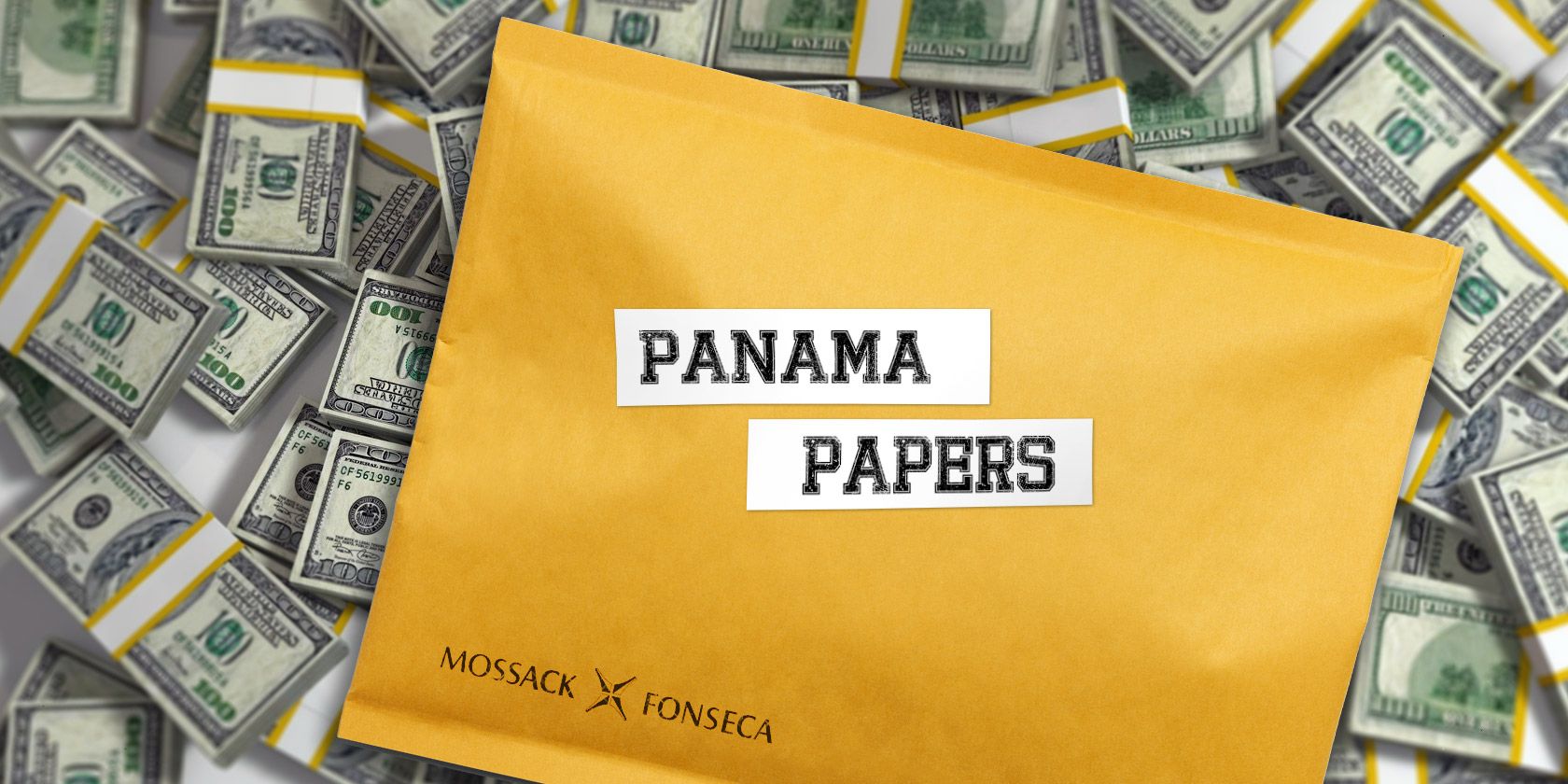
A decade ago, a massive leak of 11.5 million documents from a Panamanian law firm called Mossack Fonseca pulled the rug out from under the world's elite. We saw the secret offshore bank accounts of prime ministers, celebrities, and billionaires. It felt like a revolution. But if you think the shadow economy vanished, you're mistaken. It's just evolved.
Ten years later, the dust has settled, but the impact is still being tallied. Governments have recovered over $1.3 billion in unpaid taxes and fines. Leaders in Iceland and Pakistan lost their jobs. Mossack Fonseca doesn't even exist anymore. Yet, despite these wins, the super-rich are still hiding an estimated $13.25 trillion offshore. That's about 12% of the entire planet's GDP.
If you're wondering if the Panama Papers actually fixed anything, the answer isn't a simple yes or no. It's a story of messy progress and stubborn loopholes.
The immediate fallout that shook the world
When the International Consortium of Investigative Journalists (ICIJ) dropped the story in 2016, the shockwaves were instant. You might remember the footage of Iceland's Prime Minister, Sigmundur Davíð Gunnlaugsson, walking out of an interview when asked about his offshore company. He resigned days later.
It wasn't just him. In Pakistan, Nawaz Sharif was disqualified from office and sentenced to prison. The leak exposed how his children used offshore shells to buy luxury London apartments. For the first time, we had a map of the plumbing used by the 1%.
- 12 national leaders were linked to offshore accounts.
- 140 politicians and public officials were named.
- 214,000 offshore entities were detailed in the files.
The scale was terrifying. It showed that tax evasion wasn't a glitch in the system; it was the system.
Did the law actually catch up
You can't just leak documents and expect the world to change overnight. It takes years of boring, grinding legal work. Since 2016, more than 120 countries have signed onto the Common Reporting Standard (CRS). This basically means tax authorities now talk to each other. They share bank data automatically.
Before the Panama Papers, a French millionaire could hide money in a Cayman Islands bank and the French government would never know unless they specifically asked. Now, the information often moves on its own. This shift is why the proportion of untaxed offshore wealth has actually dropped, even though the total amount of money sitting in these havens has gone up.
In the U.S., the Corporate Transparency Act finally kicked in, requiring most small businesses and shell companies to report who actually owns them. No more hiding behind a wall of "nominee directors" who are basically paid to sign papers and look the other way.
The $1.3 billion win
Governments didn't just write new laws; they sent out bills.
- The UK recovered roughly $252 million.
- Germany clawed back $183 million.
- Spain pulled in $126 million.
- India identified over $1.4 billion in linked assets through ongoing probes.
These aren't just numbers on a spreadsheet. That's money for schools, hospitals, and roads that was sitting in a digital vault in the Caribbean.
Why the system is still broken
I'd love to tell you the good guys won and the tax havens are empty. I'd be lying. The offshore world is like a balloon—you squeeze it in one place, and the air just moves to another.
When Panama got too hot, the money moved to the British Virgin Islands. When the BVI tightened rules, it flowed to the Cook Islands or even "onshore" havens like South Dakota and Delaware. Oxfam recently pointed out that the richest 0.1% still hold as much untaxed wealth as the bottom half of humanity has in total assets.
The "enablers"—the lawyers, accountants, and wealth managers—are the real problem. They're smart. They find the gaps between national laws. While one country closes a loophole, another opens a "wealth management incentive." It's a game of cat and mouse where the mouse has a private jet.
Real world consequences you can see
If you want to see the legacy of the Panama Papers, look at your local real estate market. In cities like London, Vancouver, and New York, "ghost towers" of empty luxury apartments were often bought with offshore cash.
New rules now require "beneficial ownership" disclosure for property. In the UK, the Register of Overseas Entities was a direct result of the public anger sparked by the leak. It's much harder to launder money through a Chelsea townhouse than it was in 2015.
We also see it in the courtroom. Even in 2026, trials are still happening. Former partners of Mossack Fonseca have faced charges for facilitating tax evasion. The message is finally getting through: being a "middleman" for corruption is no longer a safe career path.
How to track where the money goes now
You don't have to be an investigative journalist to see if things are improving. Keep an eye on three specific indicators:
- Beneficial Ownership Registers: Does your country have a public list of who actually owns a company? If it's private or doesn't exist, the door is still open for corruption.
- Automatic Exchange of Information: Check if your nation is an active participant in the OECD's transparency initiatives.
- The "Enabler" Laws: Watch for legislation that holds law firms and accountants liable for the crimes of their clients. This is the new frontline.
The Panama Papers didn't end financial secrecy, but they ended the era of "I didn't know." We know exactly how it's done now. The tools are there to stop it. Whether we use them is entirely a matter of political will.
Don't wait for the next leak to care about tax justice. Support organizations like the Tax Justice Network or Transparency International that keep the pressure on. If you're a business owner, ensure your own structures are transparent. The shadow economy only thrives when we're not looking.


