A stack of sharpened HB pencils sits on a desk in Dubai. Next to it, a clear plastic pouch holds a hall ticket, a ruler, and a bottle of water with the label peeled off—standard protocol for the Central Board of Secondary Education. For a seventeen-year-old, this desk is the center of the known universe. It represents two years of sleepless nights, the weight of parental expectations, and a ticket to a university thousands of miles away.
Then the sky changed.
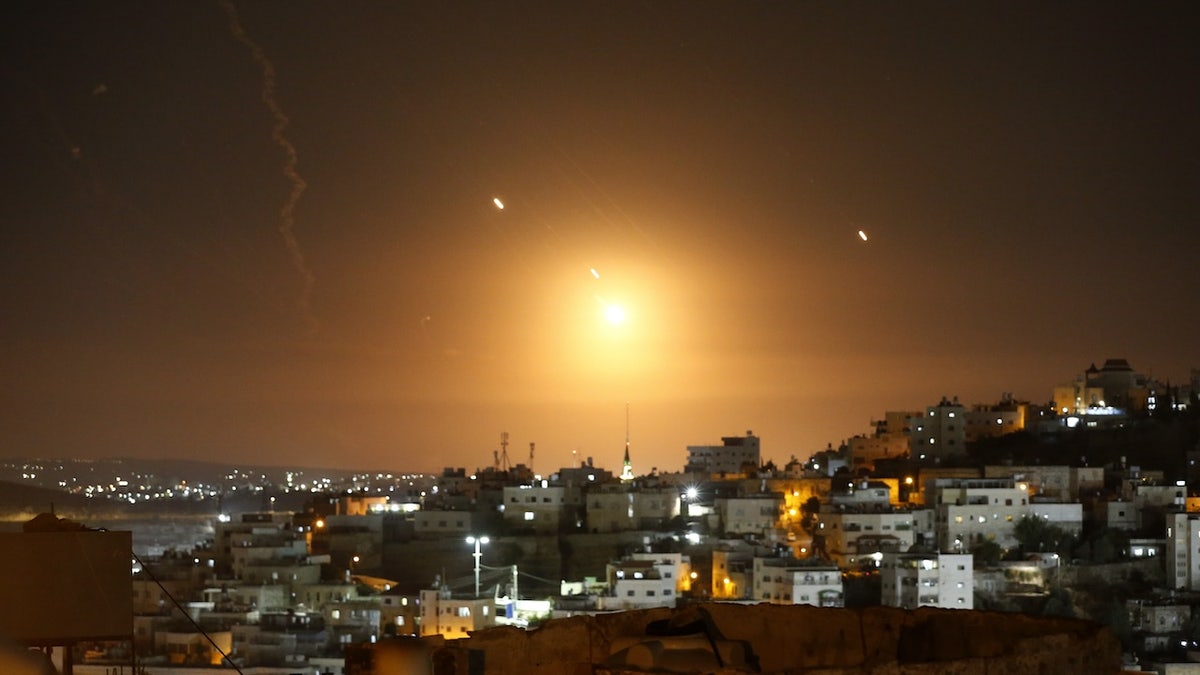
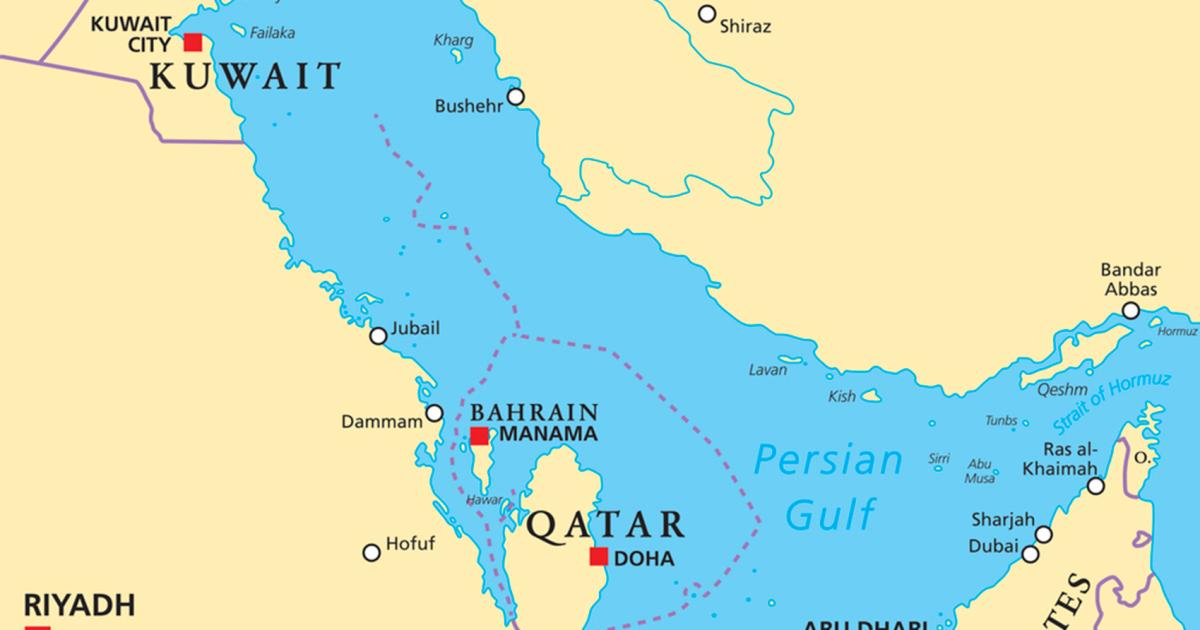
Geopolitics is often discussed in the abstract, a chess game played by figures in suits behind heavy oak doors. But when the drones began their slow, buzzing transit across the Middle East and the shadow of an Iran-Israel escalation stretched over the Persian Gulf, the conflict stopped being a headline. It became a physical barrier between a student and their future.
The Sound of a Postponed Future
The notification didn't come with the fanfare of a news anchor’s breaking report. It arrived as a ping on a smartphone in the middle of the night. The CBSE, India’s massive educational engine that governs the fate of millions, had made a call. In the interest of safety, the Class 12 board exams across several Middle Eastern centers were deferred.
Imagine the psychological whiplash.
You have spent weeks mentally rehearsing the chemical properties of p-block elements or the intricacies of macroeconomics. You are a coiled spring, wound tight for a three-hour window of performance. Suddenly, the tension is released—not by completion, but by a void. The "why" is terrifying; the "when" is unknown.
Safety is a cold comfort when you are seventeen and convinced that your life's trajectory depends on a specific Tuesday in April. For thousands of Indian expats in the UAE, Kuwait, and Saudi Arabia, the conflict wasn't about territorial disputes or historic grievances. It was about the sudden, jarring realization that their education was hostage to geography.
The Invisible Stakes of a Canceled Exam
We treat exams like milestones, but for the diaspora, they are lifelines. The Indian education system is a meat grinder of meritocracy. A single percentage point can be the difference between a prestigious engineering college in Delhi and a backup plan that feels like a failure.
When the board postpones an exam due to regional instability, they aren't just shifting a date on a calendar. They are disrupting a delicate ecosystem of preparation. There is a specific rhythm to "peaking" for an exam. You build your knowledge to a crescendo, ensuring every formula and date is at the tip of your tongue. When the music stops, the silence is deafening.
Consider a hypothetical student, let's call her Meera, living in Riyadh. Her family has saved for a decade to send her back to India for college. Every dinner conversation for two years has revolved around the Boards. When the news of the Iran-Israel tensions broke, Meera’s father didn't look at the map to see where the missiles might land; he looked at Meera. He saw the flicker of the candle she was burning at both ends, and he saw the fear that all that work might evaporate into the ether of "regional security concerns."
The Logistics of Limbo
Behind the scenes, the logistics are a nightmare of paper and ink. The CBSE doesn't just email a test. Question papers are kept in high-security vaults, often in banks or diplomatic outposts, protected by layers of bureaucracy and physical locks.
When a region enters a state of high alert, the chain of custody for these papers becomes a liability. Moving them through cities that might be under a flight ban or a curfew is an impossible risk. So, the machinery grinds to a halt.
The board has to balance the integrity of the test with the literal lives of the test-takers. If one center in Doha writes the exam while another in Tehran is under lockdown, the "level playing field" that the CBSE prides itself on collapses. This isn't just a delay; it is a massive, multi-national recalibration of an academic year.
The real struggle, however, isn't in the administrative offices in New Delhi. It is in the quiet bedrooms of suburban apartments in the Gulf. It is the sound of a textbook being closed because the motivation to read the same page for the hundredth time has vanished.
The Geography of Anxiety
There is a unique kind of displacement that comes with being an expatriate during a crisis. You are physically in one place, your heart and future are often in another, and the conflict belongs to a third.
The students in the Middle East are caught in a crossfire of symbols. On one hand, the digital age allows them to see every update, every intercepted drone, and every bellicose speech in real-time. On the other, they are bound by the archaic, rigid requirements of a paper-and-pencil exam system that feels increasingly disconnected from a world on fire.
We often tell children that if they work hard and follow the rules, they will succeed. But events like the April 2024 escalation prove that the rules are subject to the whims of men they will never meet. The lesson these students learned wasn't about physics or history; it was about the fragility of the structures we build.
The postponement is a mercy, yes. No child should have to calculate the trajectory of a projectile in a physics exam while worrying about the trajectory of a real one outside their window. But the mercy carries its own weight. It is the weight of the unknown.
The Longest Wait
As the days stretched on, the desks remained cluttered. The HB pencils stayed sharp, but their tips grew dusty. The conversation shifted from the syllabus to the news cycle. Parents whispered in kitchens, eyes glued to Al Jazeera or CNN, trying to decipher if the "de-escalation" promised by diplomats was real enough to let their children sit in a hall for three hours.
The CBSE eventually rescheduled, as it always does. The machine restarted. The papers were distributed. The pens finally moved across the pages.
But something had changed in the room. The students who walked into those halls weren't the same ones who had prepared for the original date. They had seen the curtain pulled back. They had felt the tremor of a world that can pause your life without asking permission.
They wrote their answers. They solved for $x$. They traced the borders of empires in their history booklets.
Outside, the sun continued to beat down on the desert, indifferent to the scores being tallied inside. The pencils eventually wore down to nubs, the hall tickets were tucked away as souvenirs of a stressful spring, and the world moved on to the next crisis. Yet, for those thousands of students, the lesson was permanent: the most important variable in any equation is the one you can’t control.
The ink dries, the grades are posted, and the path to the future reopens, but the memory of the night the sky went dark and the clock stopped remains—a quiet reminder that even the most solid plans are just sketches in the sand.