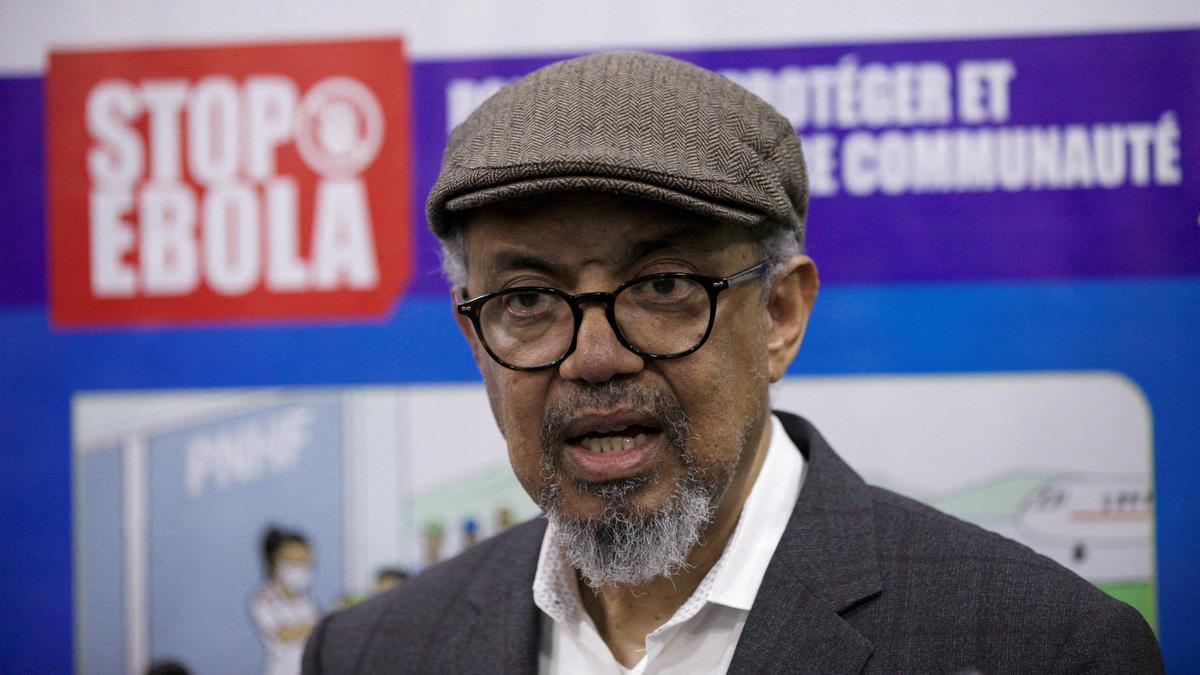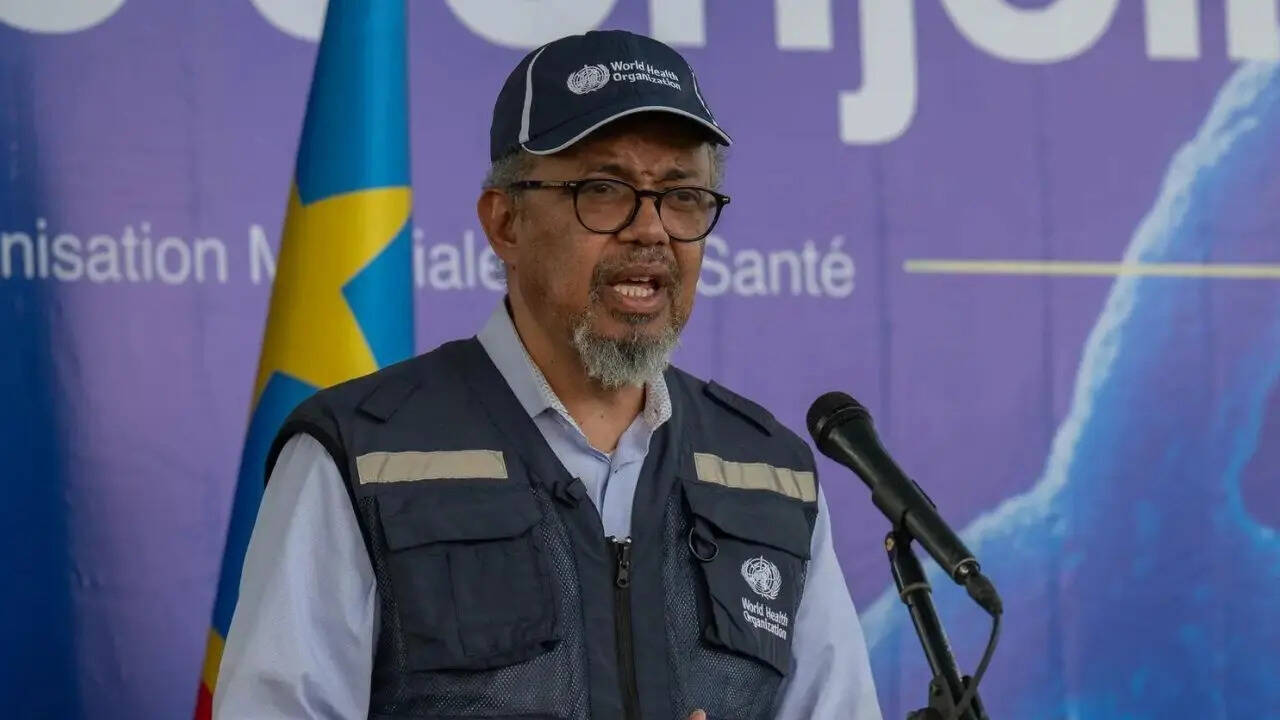
The World Health Organization chief just landed in the Democratic Republic of the Congo, and he isn't hiding his panic. When Tedros Adhanom Ghebreyesus walked off the plane in Kinshasa before heading straight into the conflict-ridden northeastern province of Ituri, he wasn't there for a routine diplomatic photo op. He arrived because a catastrophic collision of war, severe hunger, and a rare, untreatable strain of Ebola is threatening to spiral entirely out of control.
This isn't the Ebola outbreak you remember. The international community is currently watching the third-largest Ebola crisis on record outpace the global response in real-time.
If you want to understand why global health officials are losing sleep, you have to look past the standard bureaucratic press releases. The crisis on the ground in the DRC is a perfect storm of biological misfortune and human conflict. It is a harsh reminder that viruses don't care about geopolitics, but geopolitics can make a virus unstoppable.
The Nightmare of the Bundibugyo Strain
Most people hear "Ebola" and think of the Zaire strain. That is the variant responsible for the horrific West Africa epidemic a decade ago and the major 2018–2020 outbreak in eastern Congo. Because the world poured billions of dollars into fighting the Zaire strain, we developed highly effective vaccines like Ervebo and powerful monoclonal antibody treatments.
This outbreak is fundamentally different. The culprit here is the Bundibugyo ebolavirus, a much rarer lineage.
Right now, there is zero approved vaccine for the Bundibugyo strain. There are no approved therapeutic drugs.
When a patient tests positive in Ituri, doctors can't give them a shot to stop the virus from replicating. They can only offer supportive care—hydration, managing pain, and treating secondary infections—while hoping the patient's immune system wins the fight. The WHO estimates the case-fatality rate for this specific strain sits around 40%.
The data paints a grim picture. Health authorities have already flagged over 1,000 suspected cases and 246 suspected deaths. The virus has officially busted through containment lines, spreading across 11 health zones. It has reached major rebel-held urban hubs like Goma and Bukavu, and it has spilled over the border into neighboring Uganda, where nine cases have been confirmed.
Bombs and Ebola Ward Attacks
Trying to track a deadly virus in a peaceful country is hard enough. Doing it in eastern Congo is almost impossible. The epicenters of this outbreak—Ituri and North Kivu—are active war zones awash with rival militias, including the CODECO militia, the Allied Democratic Forces, and the Rwanda-backed M23 rebel group.
The violence has forced nearly one million people in Ituri to flee their homes. Displaced families are packed tightly into overcrowded, unsanitary camps. This is exactly how a virus like Ebola spreads. It thrives on close human contact, passing through bodily fluids.
Tedros made a desperate public plea to the warring factions, asking for an immediate ceasefire just to let medical teams pass. As he bluntly put it, you can't build community trust or isolate the sick while bombs are falling.
But the threat isn't just crossfire. Health workers are being actively targeted.
In the town of Mongbwalu, a mob recently launched four waves of coordinated attacks against a local referral hospital. Why? Because a prominent local religious leader died of Ebola, and the medical team refused to hand over his highly contagious body to his family.
The crowd burned down isolation tents set up by Doctors Without Borders. During the chaos, 18 Ebola patients fled into the surrounding community. Another critical patient, actively hemorrhaging, died while trying to escape his bed. A similar arson attack wiped out a treatment center in Rwampara.
The Cultural Battle Grounding the Response
You can't fix this crisis by just throwing money or military escorts at it. The real battle is psychological and cultural.
In eastern Congo, traditional burial practices are sacred. Families honor their deceased loved ones by intimately washing, dressing, and touching the body before laying it to rest.
But when someone dies of Ebola, their body is essentially a biological bomb. The viral load in a corpse is exponentially higher than it is in a living patient. A single traditional burial can easily infect dozens of mourning relatives, creating a whole new cluster of cases.
When international medical workers roll in wearing white, faceless hazmat suits, snatch up bodies, and bury them in plastic bags without the family's consent, it breeds massive resentment. People begin to think the treatment centers are where their relatives go to die, or worse, that foreigners invented the disease for profit.
This deep mistrust has led to a shortage of supplies because cargo flights into the provincial capital of Bunia are heavily restricted due to security concerns. Frontline doctors are literally treating suspected Ebola patients while wearing expired medical masks.
What Happens Next
If this outbreak expands further into regional transportation hubs, containment will be a lost cause. Border nations are panicking. Uganda has already slammed its border shut with the DRC for four weeks, defying regular WHO guidance because they feel they have no other choice to protect their citizens. The United States has enacted strict 21-day travel restrictions for anyone traveling through the affected zones.
Slowing the spread means changing the strategy on the ground immediately.
- Fund localized community engagement: The WHO chief is pushing for local communities to take ownership of the response. Instead of foreign doctors dictating orders, trusted local leaders, youth groups, and elders need the resources to explain how the virus works in local languages.
- Fast-track clinical trials: Since there are no approved tools for the Bundibugyo strain, the WHO is working with the Africa Centres for Disease Control and Prevention to rush experimental vaccine candidates into field trials.
- Deploy safe and dignified burials: Teams must compromise by allowing families to view burials from a safe distance and participate in prayers, ensuring cultural respect without risking viral exposure.
If the international community keeps treating this like a standard medical emergency, the response will fail. Stopping a biological threat in a war zone requires active diplomacy, cultural humility, and massive logistical support. Until health workers can track contacts without fearing for their lives, the virus will keep winning.