The global aviation sector in 2026 is defined not by growth, but by a forced structural realignment following the most restrictive airspace closures in modern history. Carriers like Emirates, Qatar Airways, Turkish Airlines, and Singapore Airlines are currently engaged in a high-stakes competition to restore network connectivity, but the metrics of success have shifted from simple capacity (ASKs) to the optimization of yield-per-flight-hour under constrained routing. This recovery is not a return to the status quo; it is a fundamental reconfiguration of the hub-and-spoke model dictated by three primary pressures: geopolitical detours, fleet lifecycle mismatches, and the rising cost of operational complexity.
The Geopolitical Cost Function
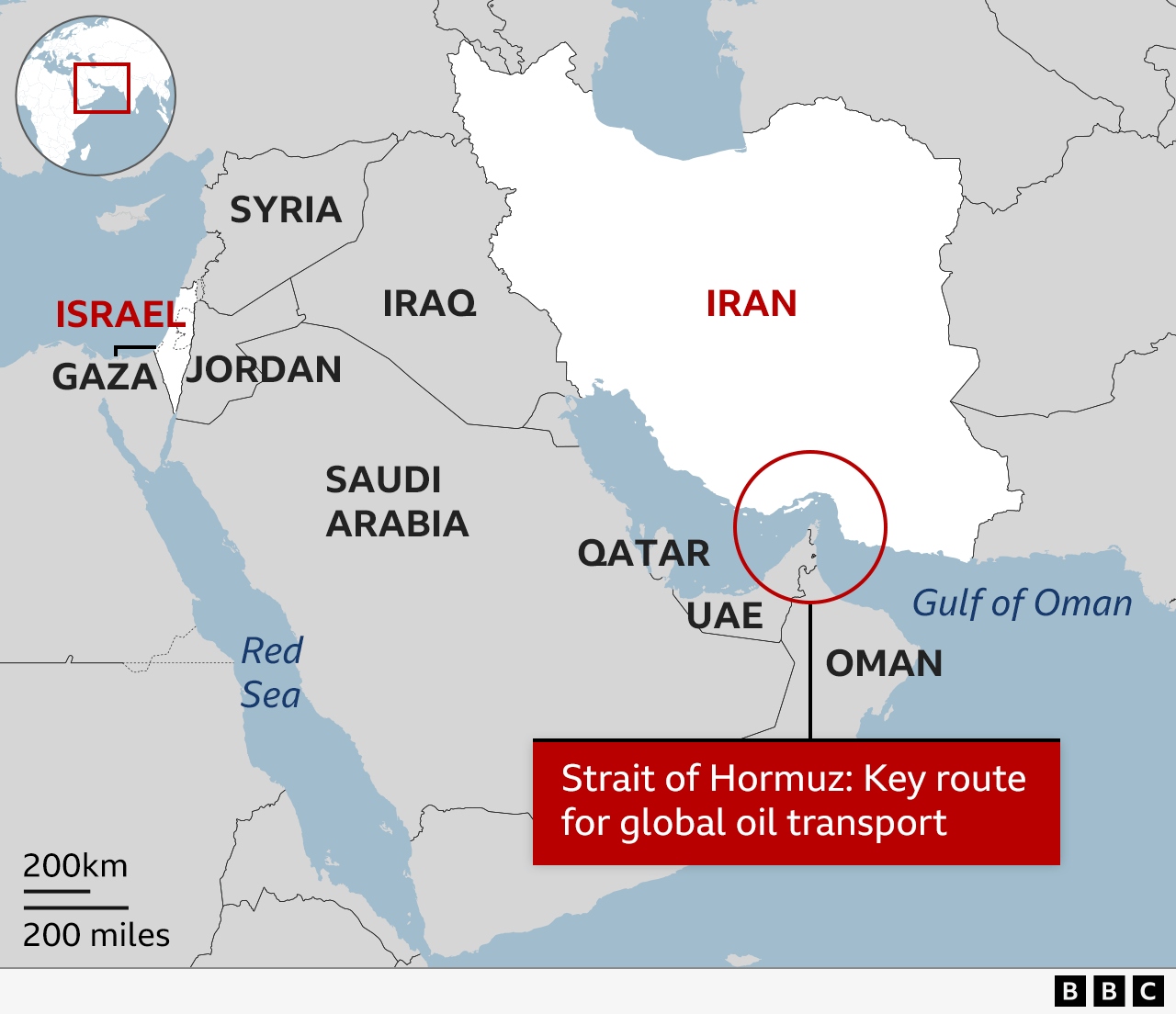
The primary inhibitor of network restoration is the persistent closure of critical corridors, most notably those impacting Eurasian transit. When traditional Great Circle routes are unavailable, airlines face a "detour tax" that scales exponentially with fuel prices and crew duty limits.
- Fuel-Payload Tradeoff: Every additional hour of flight time required to bypass closed airspace increases the fuel burn-to-payload ratio. For ultra-long-haul operators like Singapore Airlines or Emirates, this often necessitates reducing freight or passenger counts to stay within the maximum takeoff weight (MTOW) required for the extended range.
- Crew Rotation Compression: Extended flight times push standard routes into the "augmented crew" category, requiring three or four pilots instead of two. This reduces the effective pilot pool by 33% to 50% for specific long-haul segments, creating a labor bottleneck that prevents full frequency restoration even when demand is present.
- Engine Life Accrual: Constant operations on sub-optimal, high-thrust departure profiles or longer-duration cruises accelerate the consumption of Engine Flight Cycles (EFC). This forces heavy maintenance checks (C and D checks) earlier than projected in 2019-era fleet plans.
The airlines currently leading the "reconnection" race are those whose geographical hubs allow for the least deviation from optimal routing. Turkish Airlines, via Istanbul (IST), maintains a structural advantage by serving as a bridge between Europe and Asia with a narrow-body fleet capable of reaching a massive radius, whereas the "Big Three" Gulf carriers must rely more heavily on wide-body efficiency to offset the mileage penalties of southern deviations.
The Architecture of Hub-and-Spoke 2.0
Restoring a network in 2026 requires more than just putting planes in the air; it requires the re-synchronization of "banks"—the windows of time where dozens of flights arrive and depart to maximize connectivity. The collapse of these banks during airspace closures destroyed the "Network Effect," where the value of a network increases quadratically with the number of connected nodes.
The current strategy employed by major carriers involves a transition from Broad Connectivity to Depth-First Resumption. Instead of serving 150 destinations with daily service, carriers like Qatar Airways are prioritizing high-yield "fortress routes" with triple-daily frequencies. This ensures that even with localized airspace disruptions, the airline maintains a high "Utility Factor" for business travelers who require flexibility.
The Connectivity Decay Model
The loss of a single spoke in a hub-and-spoke system does not just lose the revenue from that city; it reduces the load factor of every other flight in the system that fed into it. To combat this, 2026 network planning uses a "Dynamic Spoke" approach. If a primary corridor remains restricted, carriers are shifting capacity to secondary hubs or utilizing codeshare agreements with regional players like IndiGo to maintain the "illusion of reach" without the capital expenditure of operating the metal themselves.
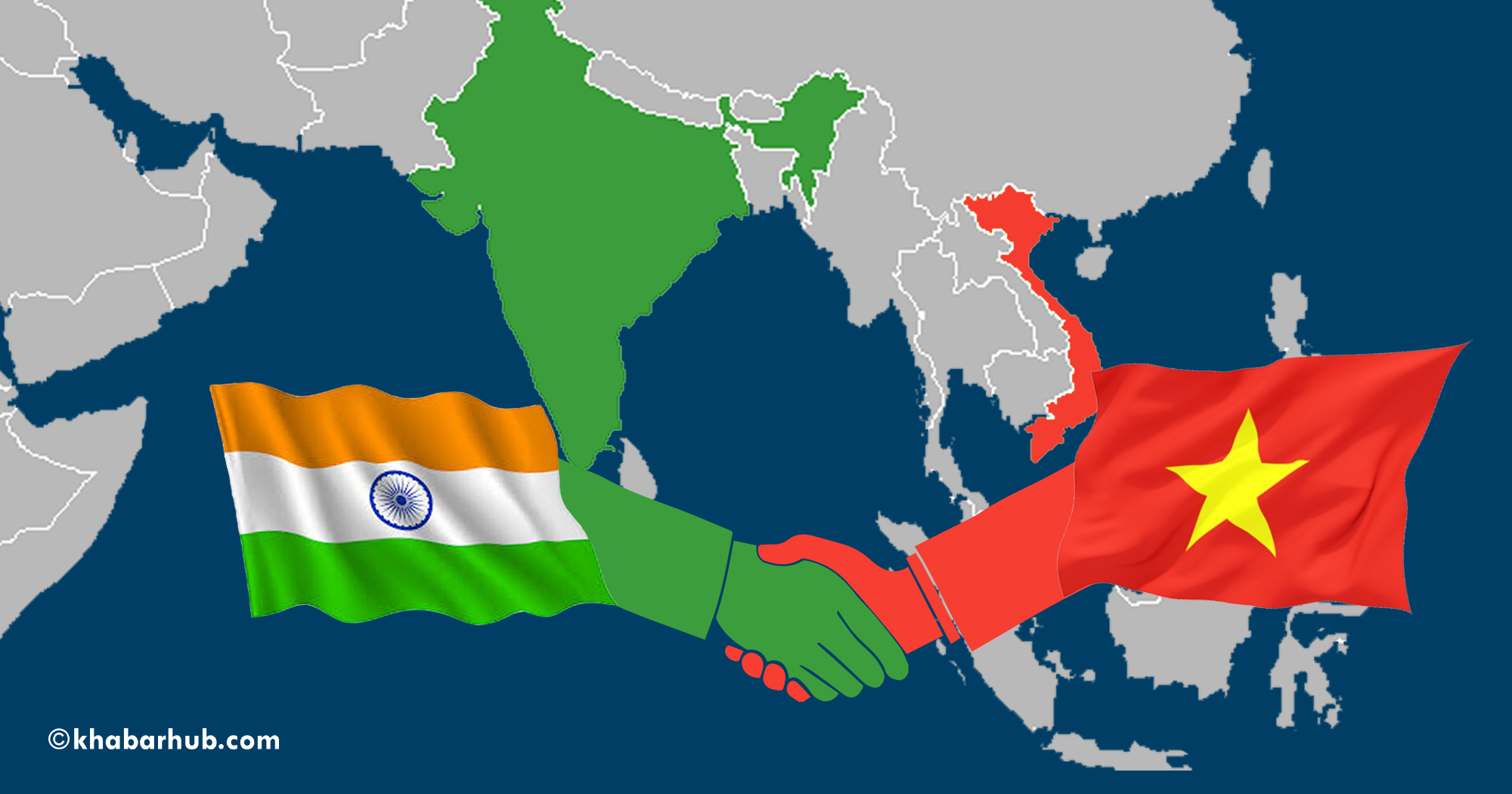
IndiGo’s role in this ecosystem is particularly illustrative. By serving as the massive feeder for international long-haul carriers into the Indian subcontinent, it allows global players to bypass the complexity of domestic Indian operations while focusing their wide-body assets on high-margin international legs. This creates a symbiotic "hub-and-gate" relationship where the long-haul carrier owns the gate (the international entry point) and the regional carrier owns the interior.
Fleet Composition and the Wide-body Deficit
The "Epic Battle" for network restoration is physically limited by the availability of airframes. The industry is currently facing a "mid-life crisis" of the global fleet.
- The A380 Paradox: Emirates has doubled down on the Airbus A380, utilizing its massive seat capacity to overcome slot constraints at congested airports like London Heathrow. However, the high operating cost of the A380 makes it vulnerable to fuel price volatility.
- The 777X Delay Ripple: The delayed entry of the Boeing 777X has left many carriers, including Qatar and Singapore Airlines, with "capability gaps." They are forced to extend leases on older, less efficient 777-300ERs or A330s, which increases the carbon intensity of the network and lowers the operating margin.
- Narrow-body Long-haul: The emergence of the A321XLR is the true "disruptor" in 2026. It allows airlines like Turkish Airlines or Aer Lingus to fly thin, long-haul routes that were previously unprofitable for 300-seat aircraft. This is de-hubbing the traditional model, as airlines can now fly point-to-point on 8-hour missions.
This creates a bifurcated market: mega-hubs dealing with massive volumes and "niche bypass" routes that avoid the hubs entirely. The winners in 2026 are those who can balance the scale of the hub with the agility of point-to-point narrow-body operations.
Operational Resiliency as a Competitive Advantage
Before 2020, "resiliency" was a secondary concern to "efficiency." In 2026, the hierarchy has flipped. The cost of a system-wide shutdown or a sudden airspace closure is so high that airlines are now building "slack" into their systems.
This is visible in the increased ratio of standby aircraft and the localization of maintenance hubs. Turkish Airlines has aggressively expanded its MRO (Maintenance, Repair, and Overhaul) capabilities at IST to ensure that they are not dependent on external supply chains for critical components. Similarly, the "reconnection" of the world involves a heavy investment in digital "digital twins" of the entire network. These systems allow dispatchers to simulate the impact of a sudden closure of, for example, Iranian or Sudanese airspace in real-time, rerouting 100+ airborne flights before the congestion occurs.
The Margin-Service Tension
As carriers like Emirates and Singapore Airlines restore their networks, they face a declining marginal return on connectivity. The first 80% of a network restoration captures 95% of the profitable demand. The final 20%—the "prestige routes"—often operate at a loss or at break-even, served only to maintain the brand promise of being a "global" carrier.
The strategic divergence in 2026 is clear:
- Emirates is pursuing a "Volume and Gravity" strategy, using Dubai as a massive gravitational well that pulls in traffic through sheer frequency and capacity.
- Singapore Airlines is focusing on "Yield and Precision," targeting high-value segments and utilizing its partnership with Tata-owned Air India to capture the growth of the Indian market without overextending its own fleet.
- Turkish Airlines is utilizing "Geographical Arbitrage," exploiting its unique position to serve more countries than any other airline, essentially becoming the "utility" of global aviation.
Strategic Forecast: The Consolidation of Flow
The battle for network restoration will terminate in a period of aggressive consolidation. The current environment favors carriers with sovereign wealth backing or massive domestic markets. Smaller "flag carriers" that lack the scale to absorb the detour taxes of the current geopolitical climate will either be absorbed or relegated to regional feeder status.
The final phase of the 2026 restoration will not be marked by the number of destinations on a map, but by the "Integration Index"—how well an airline can move a passenger from a secondary city in India to a secondary city in Europe with a single, reliable connection. The carriers that survive this "epic battle" will be those that transitioned from being "transportation companies" to "logistics orchestrators," managing not just planes, but the complex flow of humanity around the physical and political obstacles of the modern world.
The immediate tactical requirement for these carriers is the aggressive de-risking of their fuel supplies through Sustainable Aviation Fuel (SAF) off-take agreements and the rapid retirement of any airframe with a fuel-burn variance of more than 15% from the current fleet leaders. Efficiency is no longer a goal; it is the only remaining defense against the volatility of a fragmented sky.