Geopolitics is a brutal ledger of power, resources, and leverage. Yet, every four years, the sports world falls victim to a collective hallucination. Commentators and executives line up to pitch a comforting fantasy: that a soccer tournament can serve as a diplomatic balm for a bleeding planet.
With the 2026 FIFA World Cup underway across the United States, Canada, and Mexico, the sentimental chorus has reached a fever pitch. The narrative claims this expanded, 48-team mega-event is a vehicle for global unity, a temporary truce where sportsmanship eclipses state-sponsored violence.
It is a comforting lie. It is also a dangerous distraction.
The reality is far more cynical. Modern international sports tournaments do not de-escalate global conflicts. They monetize them. By expanding the tournament to 48 teams, FIFA did not democratize the game; they scaled the theater. The pitch is not a sanctuary from war. It is a stage where geopolitical animosities are sanitized, packaged, and sold back to the public under the guise of fair play.
The Soft Power Fallacy
The mainstream sports press loves to push the narrative of sports diplomacy. They point to historical anomalies like the 1998 World Cup match between the United States and Iran, where players traded white roses and posed for a joint photo.
That photo did not stop a single economic sanction. It did not dismantle a nuclear centrifuge. It did not alter the trajectory of Middle Eastern geopolitics by a single millimeter.
To believe that ninety minutes of soccer can influence state actors is to completely misunderstand how foreign policy works. I have spent decades watching sports federations interact with state departments. Dictators and democratic leaders alike view major sporting events through a singular lens: domestic distraction and international branding.
When a nation in the midst of a civil war or an international conflict qualifies for the World Cup, the regime in power immediately hijacks the achievement. Success on the pitch is weaponized to validate the status quo at home. The "lazy consensus" argues that sports bring people together. The hard truth is that sports offer authoritarian regimes a cheap veneer of normalcy. It allows them to participate in the global community without altering the behavior that made them pariahs in the first place.
FIFA Expanded the Scale Not the Sanctuary
The decision to balloon the 2026 tournament to 48 teams was marketed as an inclusive gesture to give smaller, developing nations their moment in the sun.
Let us look at the math instead of the marketing.
More teams means more matches. More matches means more broadcast hours, more ticket sales, and more corporate sponsorship inventory. It is an exercise in pure capital accumulation disguised as altruism.
2022 World Cup: 32 Teams -> 64 Matches
2026 World Cup: 48 Teams -> 104 Matches
This 62.5% increase in inventory creates an administrative nightmare spread across three massive nations. More importantly, it dilutes the quality of competition and increases the likelihood of highly charged political matchups in the group stages. FIFA has not created a larger tent for peace. They have constructed a bigger arena for proxy conflicts.
Imagine a scenario where two nations locked in an active border dispute or a proxy war face off in a group-stage match in Houston or Vancouver. The international media will frame it as a beautiful testament to the power of sport. In reality, the tension on the field and in the stands will mirror the exact tribalism driving the conflict at home. Security costs skyrocket. The rhetoric sharpens. The game becomes a proxy battlefield where a victory is used to claim moral superiority, and a defeat is treated as a national humiliation.
The Corporate Luxury of Simulated Neutrality
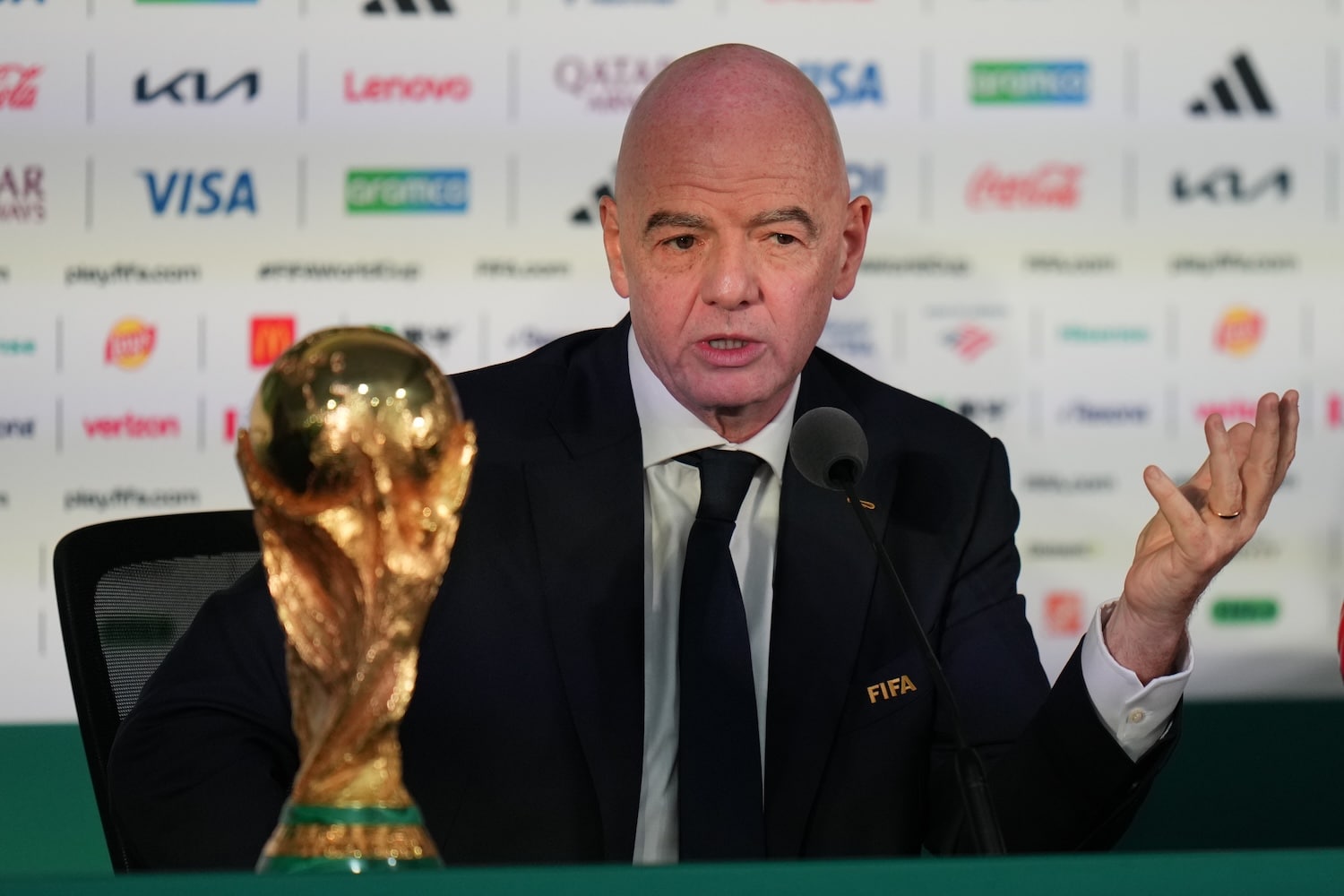
There is a profound hypocrisy at the core of sports governance. FIFA routinely bans countries for "political interference" in their local football associations, yet the entire ecosystem relies on political money.
The corporate sponsors funding the 2026 tournament do not want actual geopolitical resolution. Resolution is complicated. Resolution requires sacrifice, negotiation, and structural change. Sponsors want the feeling of resolution. They want a clean, high-definition broadcast where players hug at the final whistle, allowing viewers to feel a brief flash of warmth before returning to a world on fire.
This simulated neutrality is a luxury product. It allows western audiences to consume the passion of global football without confronting the uncomfortable reality that some of the nations on display are actively funding or executing atrocities. The tournament becomes a giant washing machine for reputation management.
The True Cost of Admission
- Sanitized Autocracy: Regimes use qualification to signal stability to foreign investors.
- Forced Narratives: Broadcasters gloss over ongoing human rights crises to maintain a celebratory tone.
- Economic Diversion: Host cities pour billions into stadium infrastructure and security instead of addressing domestic social fractures.
Dismantling the "People Also Ask" Delusions
If you look at what people actually ask about sports and conflict, the naivety is striking. The questions themselves reveal how deeply the sports-as-salve myth has been drilled into the public consciousness.
Can the World Cup broker a temporary ceasefire?
No. This idea stems from a romanticized misreading of the 1914 Christmas Truce of World War I. Modern warfare is automated, bureaucratic, and detached from the leisure schedules of athletes. A state actor or insurgent group will not halt an offensive because a ball is rolling across a field 5,000 miles away. To suggest otherwise is an insult to the intelligence of those living through actual conflict.
Why shouldn't we celebrate the inclusion of war-torn nations?
Because celebration without context is erasure. When the international community cheers for a national team while ignoring the fact that the country's citizens are starving or being bombed, it separates the people from the state infrastructure that controls them. It creates a false impression of normalcy. It tells the world that as long as a nation can produce eleven talented athletes, its structural horrors can be overlooked for a month.
The Counter-Intuitive Truth: Separation, Not Integration
If we actually want sports to mean something during a time of global warfare, we have to stop asking sports to do the job of the United Nations.
The only honest approach is total athletic isolation or absolute, un-sanitized transparency.
The current middle ground—where we allow conflicted nations to play but agree not to talk about the war during the commentary—is cowardly. It serves nobody but the broadcasters and the sponsors.
If a nation is violating international law, ban them outright. The International Olympic Committee and FIFA did it to South Africa during apartheid, proving that structural exclusion can apply real internal pressure to a regime. If you choose to let them play, then the broadcast must reflect the grim reality. Commentators should be talking about the geopolitical reality of the nations on the pitch, not treating the match like it exists in a vacuum.
But FIFA will never allow that. It ruins the vibe. It hurts the ad spend.
Stop Asking Sports to Save Us
The 2026 World Cup will produce unforgettable goals, dramatic penalty shootouts, and overnight heroes. Enjoy the tactical setups. Marvel at the athletic excellence.
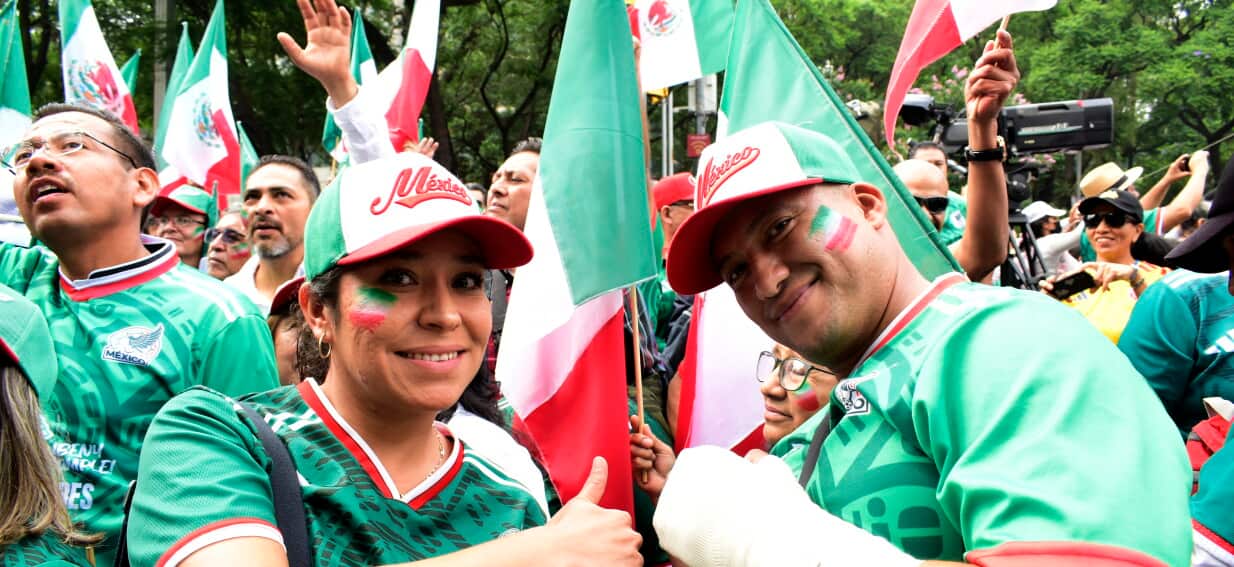
But do not dare look at a stadium in Los Angeles or Miami filled with flags and think you are witnessing the healing of the world.
The tournament is an commercial juggernaut operating exactly as designed. It extracts billions of dollars from fans while offering a cheap, transient hit of simulated unity. When the final whistle blows and the confetti is swept away, the borders will still be closed, the missiles will still be armed, and the wars will still be raging. The game changes nothing.