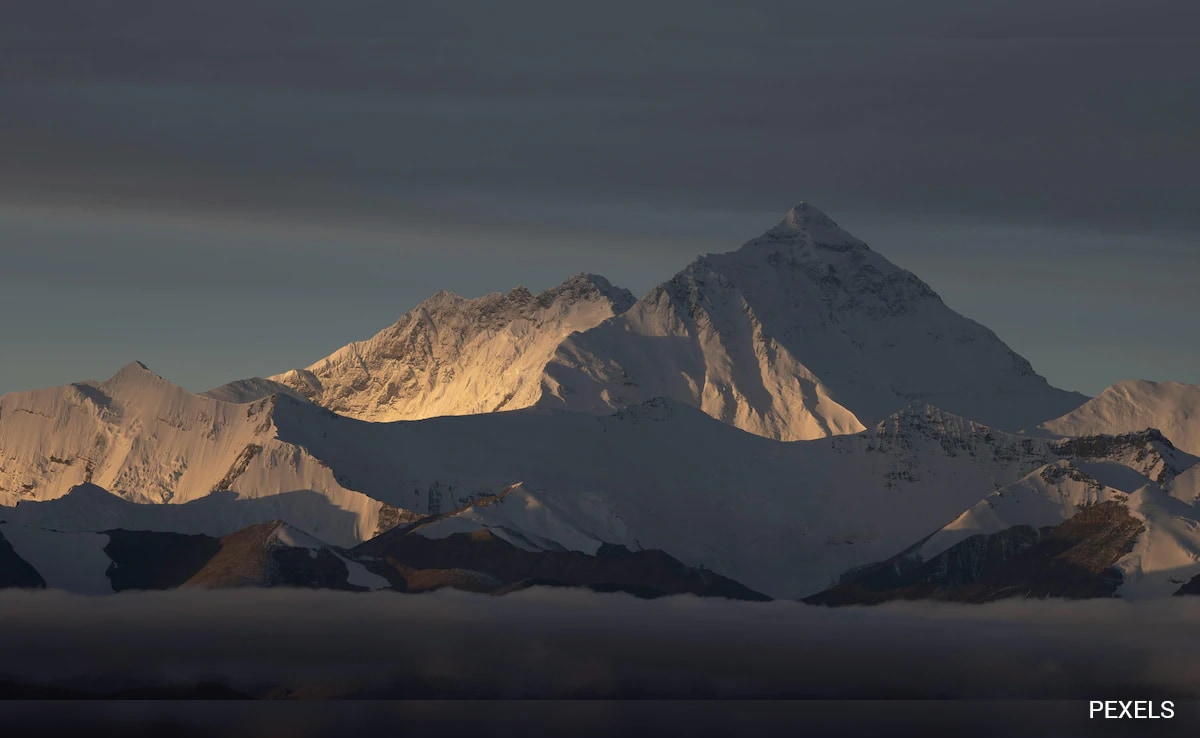
Mount Everest is officially open for the 2026 spring season, but the air at Base Camp feels different this year. It's not just the thinning oxygen or the looming Khumbu Icefall—it's the massive legal cloud hanging over the entire mountaineering industry. While climbers are busy checking their harnesses, Nepal's Central Investigation Bureau (CIB) is busy making arrests.
If you’re planning a trek in Nepal, you need to understand that the "rescue" you might be offered isn't always about saving your life. Sometimes, it’s just a high-altitude ATM withdrawal for a shady network of operators.
The $20 Million Heist in the Clouds
For years, rumors of insurance fraud circulated through the trekking community like a bad cold. In early 2026, those rumors turned into handcuffs. The CIB recently arrested six high-ranking executives from three major firms: Mountain Rescue Service, Everest Experience and Assistance, and Nepal Charter Service.
The scale is staggering. Investigators say these companies siphoned nearly $20 million from international insurance providers between 2022 and 2025. This wasn't a small-time hustle; it was a "commission-based network" involving trekking agencies, helicopter pilots, and even hospitals in Kathmandu.
The scam works with clinical precision. A single helicopter picks up four trekkers from the mountains. Instead of billing for one flight, the operator submits four separate full-price invoices—often around $4,000 to $6,000 each—to four different insurance companies. In one documented case, a $4,000 charter was magically transformed into a $12,000 payday.
How They Trick You Into a Rescue
You don't have to be in on the scam to be a victim of it. In fact, most trekkers are completely oblivious. Here’s the reality of how these "unnecessary rescues" are manufactured on the ground:
- The Food Spike: It sounds like a conspiracy theory, but it's real. There are documented reports of guides putting baking soda—a natural laxative—into hikers' food. Once the trekker gets diarrhea, the guide "concerns himself" with their health and insists on a helicopter evacuation for "safety."
- The High-Altitude Upsell: Tired after six days of walking? Your guide might offer you a "fast way home" via helicopter, implying it's covered by your insurance. They then write up a fake medical report claiming you had Acute Mountain Sickness (AMS) to ensure the payout.
- The Hospital Kickback: The scam doesn't end when the rotors stop. Some Kathmandu hospitals are in on the deal, paying 20% to 25% commissions back to the trekking companies for every "patient" they refer. These hospitals then inflate medical bills and fabricate discharge summaries using the digital signatures of doctors who never even saw the patient.
Why This Matters for Your 2026 Trek
If you think this only hurts the insurance companies, you're wrong. The fallout is hitting regular travelers hard. International insurers are wising up. Some have already threatened to blacklist Nepal entirely, while others are jacking up premiums for anyone heading to the Himalayas.
If you’re on the mountain and you actually do have a life-threatening emergency, you don't want your insurance company wasting four hours "verifying" your claim because they’ve been burned too many times by fake reports. This fraud creates a "boy who cried wolf" scenario where the stakes are literally life and death.
Protecting Yourself from the Heli Mafia
Don't let the shadow of this scam keep you away from Nepal. The Himalayas are incredible, and most local guides are hardworking professionals who genuinely care about your safety. But you have to be smarter than the system.
Call your insurer first. If a guide tells you that you need a helicopter, don't just nod and hop in. If you're conscious and stable, call your insurance provider's 24/7 emergency line yourself. They have medical teams who can triage your symptoms over the phone.
Read the manifest. If you're being evacuated, look at who else is on the helicopter. If there are three other people and the guide tells you to "tell the insurance company you were alone," you’re being used as a pawn in a fraud scheme.
Demand a paper trail. Ask for copies of all medical reports and flight invoices before you leave the hospital in Kathmandu. Compare them against what you actually experienced. If the report says you were unconscious but you were actually just tired and had a headache, call it out.
The CIB’s recent crackdown is a start, but $20 million buys a lot of influence. The "Heli-Mafia" won't disappear overnight. Your best defense is a healthy dose of skepticism and a direct line to your insurance provider. Don't let your trek of a lifetime become someone else's fraudulent payday.