If you grew up watching a soft-spoken man change into a cardigan, you remember the original Daniel. He wasn't a cartoon. He was a puppet—specifically a "tame tiger" who lived in a clock that had no hands. He was shy. Actually, he was more than shy; he was frequently terrified of the world.
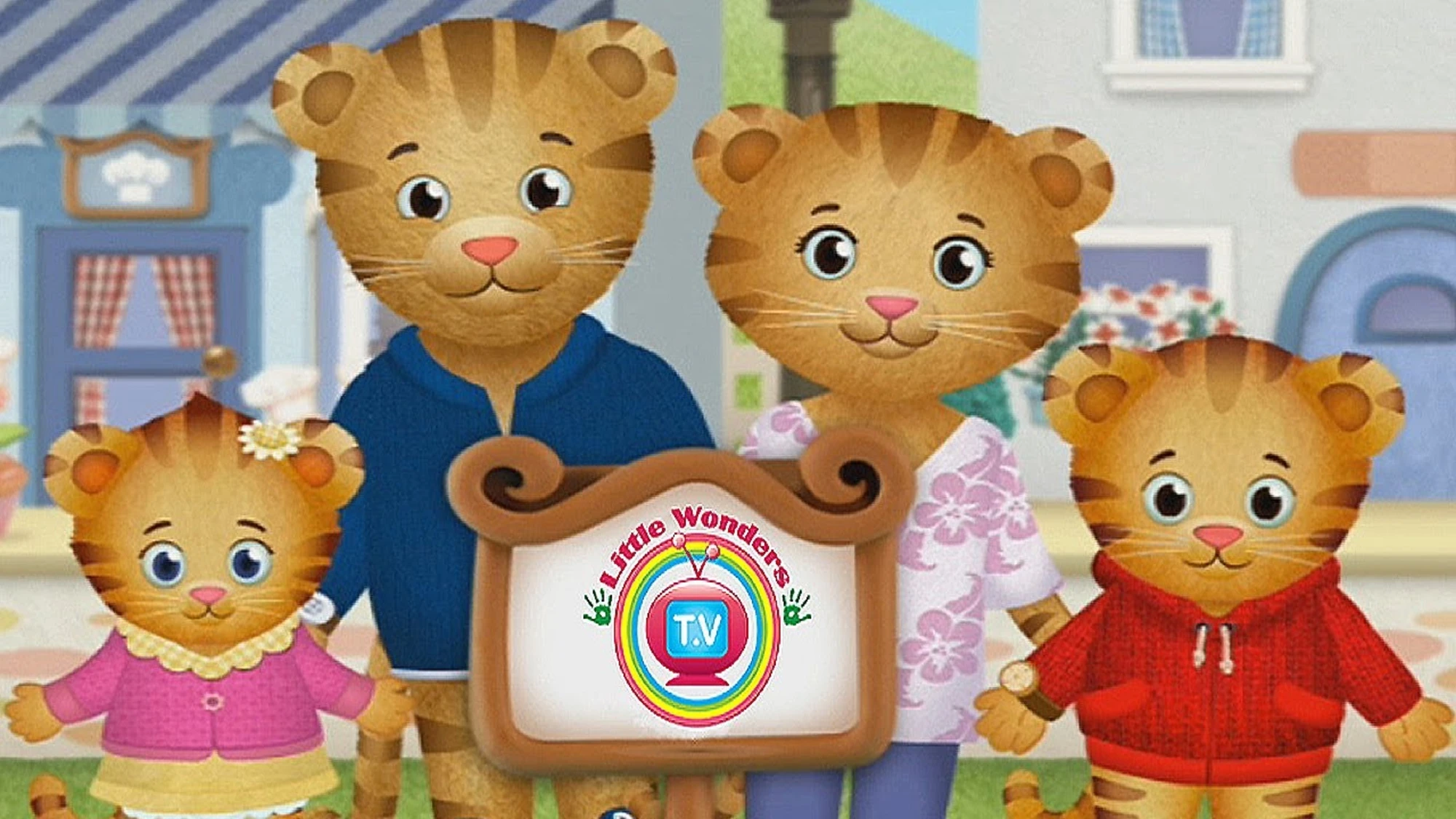
Fast forward to today, and Mister Rogers Neighborhood Daniel Tiger is a household name for a completely different reason. The new Daniel, the animated one with the red hoodie and the "Grr-ific" catchphrase, is the face of a massive PBS franchise. But for those of us who remember the hand-operated version, there's a weird sense of "wait, what happened here?"
The transition from a nervous puppet to a confident animated star isn't just a makeover. It’s a multi-generational legacy that Fred Rogers started back in 1954, long before the first episode of Mister Rogers' Neighborhood even aired.
The Puppet That Was Almost a Bird
History is funny. Daniel Striped Tiger exists because of a last-minute party favor. In 1954, Fred Rogers was working on a show called The Children's Corner. The night before the premiere, WQED station manager Dorothy Daniel gave Fred a small tiger puppet at a launch party.
Fred was supposed to have a bird come out of the cuckoo clock on the set. But he liked the tiger. He named the puppet Daniel, after Dorothy, and the rest is history.
For thirty-three years on Mister Rogers' Neighborhood, Daniel Striped Tiger was the character most like Fred himself. While King Friday was the ego and Lady Elaine was the mischief, Daniel was the vulnerability. He’s the one who famously asked Lady Aberlin, "Am I a mistake?" after wondering if he was "too tame" for a tiger. It’s heavy stuff for a kids' show. Honestly, it still hits hard today.
Who is the New Daniel Tiger?
A lot of parents get confused about the timeline. Is the animated Daniel the same one from the 70s?
Nope.
The star of Daniel Tiger's Neighborhood is actually the son of the original puppet. The original Daniel is now "Dad Tiger." He grew up, moved out of the clock (though he still lives in a clock-shaped house), married Mom Tiger, and had a kid.
The Next Generation of Make-Believe
It’s not just Daniel who grew up. The whole Neighborhood of Make-Believe has been "inherited" by the children of the original characters:
- Katerina Kittycat is the daughter of Henrietta Pussycat.
- Prince Wednesday is the son of King Friday XIII and Queen Sara Saturday.
- O the Owl is the nephew of X the Owl.
- Miss Elaina is the daughter of Lady Elaine Fairchild and Music Man Stan.
This shift was intentional. When Fred Rogers Productions decided to reboot the world in 2012, they brought in Angela Santomero, the mind behind Blue's Clues. They knew they couldn't just replace Fred. Nobody can. Instead, they took the "emotional curriculum" Fred spent decades building and packaged it for a generation with shorter attention spans and a need for catchy songs.
Why Some Fans Think Daniel Changed Too Much
There is a pretty heated debate among "Neighborhood" purists. If you go down the rabbit hole of forums, you’ll find people who think the new Daniel is a bit too... perfect.
The original puppet was a wallflower. He was deeply anxious. The new Daniel? He’s the most popular kid in the neighborhood. He leads his friends. He’s confident. Some critics argue that while the original show taught you how to be okay with being different, the new show is more about social conformity—following the "strategy" of the day to fit in.
But here’s the counter-point: it works.
A study from Texas Tech University found that kids who watch Daniel Tiger's Neighborhood actually show higher levels of empathy and emotional recognition. There’s a catch, though. The benefits only really kicked in when parents talked to their kids about what they were watching. Basically, the show is a tool, not a babysitter.
The "Ugga Mugga" Connection
One thing that hasn't changed is the heart. "Ugga Mugga," the little nose-rubbing greeting, came directly from the original show. It was how Daniel Striped Tiger and Lady Aberlin showed affection. Seeing Dad Tiger do that with his son in the animated series is a direct bridge across fifty years of television history.
The red sweater and the sneakers are another bridge. Daniel Tiger wears them because Fred wore them. It’s a visual cue that says, "We’re still doing the work Fred started."
Actionable Lessons for Your Own Neighborhood
If you're a parent or just a fan of the legacy, you can actually use the Mister Rogers Neighborhood Daniel Tiger framework in real life. It’s not just about the "potty song" (though that one is a lifesaver).
- Use the "Strategy Songs": The show uses "jingles" because the human brain remembers melody better than speech. When a kid is melting down, singing "When you feel so mad that you want to roar..." actually bypasses the logic centers of the brain and provides a physical rhythm to calm down.
- Name the Feeling: Both Fred and the new Daniel emphasize that "what is mentionable is manageable." Don't just tell a kid to stop crying. Label it. "You're frustrated because the block tower fell."
- Watch Together: The research is clear. The "Daniel Tiger effect" doubles when a parent watches and repeats the lessons. If Daniel tries a new food, mention it at dinner.
- Respect the "Pause": Both versions of the show use silence. Fred was a master of it. The animated show still leaves gaps for the child to answer. Don't rush those moments. Let the kid think.
The Neighborhood isn't just a place on a map or a set in a Pittsburgh studio. It’s a specific way of looking at children—not as "small adults" to be trained, but as whole people with very big, very real feelings. Whether it’s a puppet in a hand-painted clock or a high-def tiger in a digital world, the message stays the same: you’re special just the way you are.