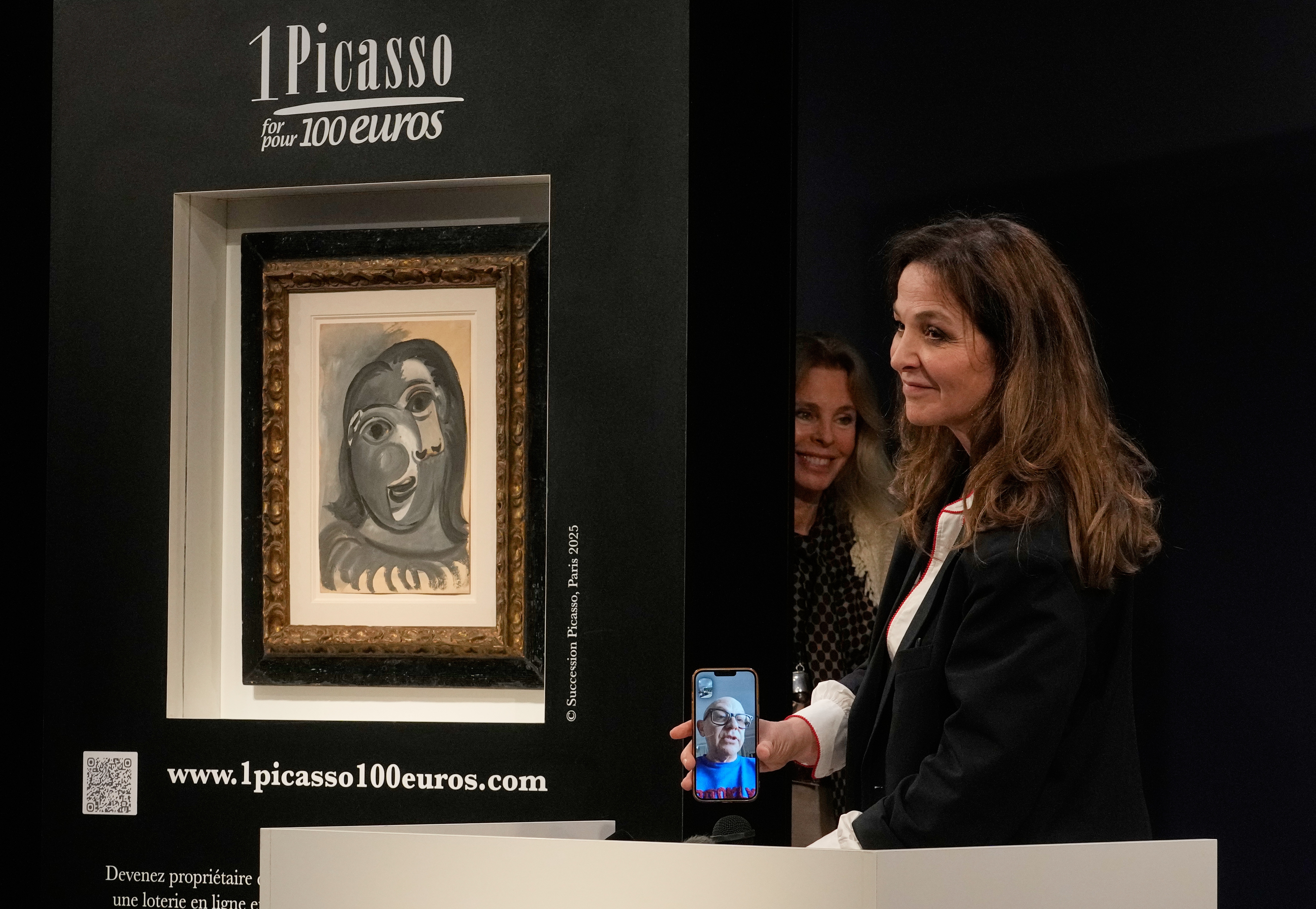
A 25-year-old Italian citizen recently turned a €100 charity ticket into a Picasso valued at over $1 million. On the surface, it is a heartwarming human-interest story. Underneath, it represents a radical shift in how the world’s most elite assets are being liquidated. This was the "1 Picasso for 100 Euros" raffle, an event that saw the 1921 oil-on-canvas work Nature Morte (Still Life) find a new home in a small Italian apartment instead of a museum vault or a billionaire’s private gallery.
While the winner celebrates a life-changing windfall, the mechanism behind the win reveals a calculated strategy that bypasses the traditional auction house model. Sotheby’s and Christie’s have long held a monopoly on the movement of high-value art, charging massive premiums and catering to a narrow slice of the global elite. By turning a masterpiece into a lottery prize, organizers have found a way to democratize ownership while simultaneously raising more money than a standard sale might ever achieve.
The Mechanics of the Modern Art Raffle
To understand why this matters, you have to look at the math. The raffle sold over 51,000 tickets at €100 each. That totals roughly $5.5 million. The painting was purchased from a private collector for approximately $1 million. Even after paying the seller and covering administrative costs, the raffle generated millions for charity—specifically for projects providing clean water in Africa.
This isn't just charity. It is a high-volume sales model applied to a low-liquidity asset. In a standard auction, a Picasso Still Life might sell for its appraised value, minus a significant cut for the auction house. In a raffle, the "buyer" is not a single individual, but a collective of 51,000 hopefuls. The seller gets their price, the charity gets a massive surplus, and one person gets the deal of a century. It is a win-win that threatens the traditional gatekeepers of the art world.
Why the Traditional Art Market is Nervous
The art market thrives on exclusivity and scarcity. When you introduce a lottery system, you break the aura of the "high-end collector." The old guard argues that raffles devalue the cultural significance of these works, treating them like a scratch-off ticket rather than a piece of human history. This is a smokescreen for a much more practical fear.
If more collectors realize they can net five times the value of their art by selling it to a raffle organizer rather than an auction house, the supply chain for major galleries will dry up. We are seeing a decentralization of wealth. This shift allows the middle class to participate in the "wealth storage" aspect of fine art, even if only through a speculative ticket.
The Logistics of a Million Dollar Win
Winning a Picasso is not like winning a car. You cannot simply park it in the driveway and forget about it. The winner now faces a series of complex financial and security hurdles that most people are unprepared to handle.
- Security and Insurance: A million-dollar painting requires climate-controlled environments and high-end security systems. Insurance premiums for a Picasso can cost thousands per year, depending on the home's location and safety features.
- The Tax Implication: Depending on the jurisdiction, winning a prize of this magnitude can trigger massive gift or windfall taxes. In many cases, the winner might be forced to sell the painting just to pay the government's bill.
- Provenance and Liquidity: While the raffle provides the painting, the winner must maintain the "paper trail" or provenance. If they decide to sell it later, they have to prove it is the same work that came from the raffle, which was originally authenticated by the Picasso Estate.
For the Italian winner, these are high-class problems. However, they highlight the reality that "democratizing" art often ends with the art returning to the hands of the wealthy. Most raffle winners will eventually sell their prize to a professional collector or a museum, effectively acting as a temporary bridge between the charity and the billionaire class.
The Ethics of Gambling for Culture
There is a darker side to the rise of art raffles. Critics argue that these events are simply a sanitized form of gambling. By wrapping the lottery in the prestige of a Picasso and the virtue of a charitable cause, organizers bypass the stigma associated with betting.
Is it ethical to fund clean water projects through the speculative hopes of tens of thousands of people? Many would say the end justifies the means. But as these raffles become more common, they run the risk of saturating the market. If there is a "Picasso Raffle" every month, the novelty wears off, and the charitable returns will inevitably dwindle.
Furthermore, the lack of regulation in the "charity raffle" space is a growing concern. Unlike regulated casinos, these international raffles often operate in a legal gray area, crossing borders and tax jurisdictions with ease. Ensuring that every cent of the surplus actually reaches the intended destination requires a level of transparency that the art world—notorious for its secrecy—has historically lacked.
The Shift in Asset Liquidation
We are seeing a trend that extends beyond the canvas. From luxury watches to multi-million dollar homes in London and Los Angeles, the "raffle model" is becoming a preferred exit strategy for high-value assets. It offers a way to bypass a stagnant real estate or art market by appealing to the masses.
When the economy is volatile, finding a single buyer with $10 million in cash is difficult. Finding 100,000 people with $100 is significantly easier. This is the "fractionalization" of everything. We are moving toward a world where ownership is either a collective investment or a lottery prize.
Protecting the Winner and the Work
The long-term success of these events depends on the stewardship of the art. When a Picasso enters a private home that isn't equipped for it, the risk of damage or theft increases exponentially. The art world watches these wins with bated breath, hoping that the masterpiece survives its time in the hands of an amateur collector.
The Italian winner’s painting, Nature Morte, is a relatively small work, making it easier to manage than a massive mural. Yet, its historical value is immense. It represents a specific period of Picasso’s evolution, and its preservation is a matter of cultural heritage. The raffle organizers often include a "maintenance package" or advice for winners, but once the prize is handed over, the responsibility lies solely with the individual.
The Future of Fine Art Acquisitions
Expect to see more of this. As the gap between the ultra-wealthy and the middle class widens, the middle class is looking for "black swan" events to change their financial destiny. The art raffle provides that hope. For the charities involved, it provides a scale of funding that traditional bake sales and gala dinners could never match.
The industry is currently at a crossroads. Either the art world will embrace the raffle as a legitimate sales channel, or it will move to restrict these events to protect the "integrity" of the market. Regardless of the outcome, the genie is out of the bottle. The idea that a masterpiece can belong to anyone with a spare €100 has fundamentally changed the psychology of the art market.
The Italian winner now owns a piece of history. Whether they keep it as a family heirloom or sell it to secure their financial future is irrelevant to the broader point. The real story is that the wall between the museum and the street has been breached. The gatekeepers are no longer in total control of who gets to hold the brushstrokes of genius.
Check the terms of any high-stakes raffle before entering. Verify the charitable registration, the provenance of the asset, and the tax laws in your specific region. Ownership of a masterpiece is a burden as much as a blessing. Use a specialist art insurer if you ever find yourself holding a winning ticket for a million-dollar asset.