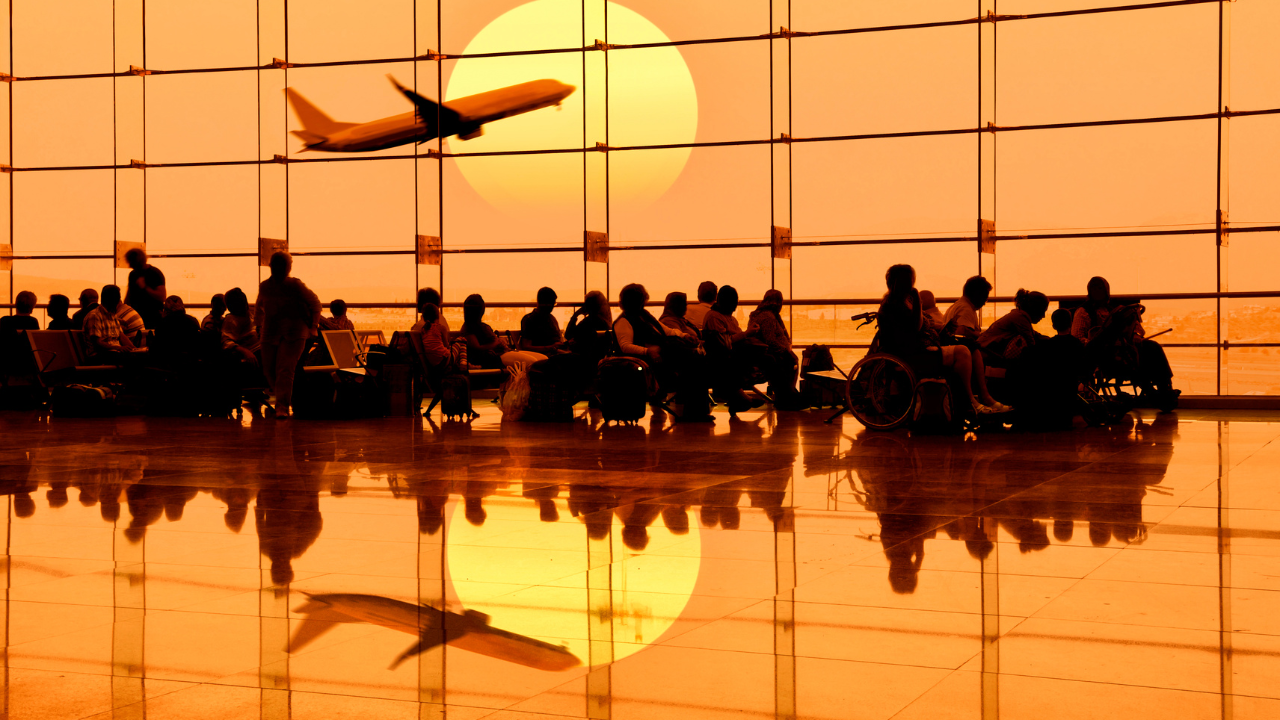
The dream of a luxury Dubai weekend or a history-heavy tour of Jordan’s Petra is hitting a brick wall. Travelers are scrambling. If you've looked at the news lately, you've seen the footage of crowded airport terminals and families looking for any way out. The sudden escalation in Middle Eastern regional tensions isn't just a "wait and see" situation anymore. It’s a full-blown logistical nightmare for anyone holding a plane ticket to the region.
You might think your resort in a neighboring country is safe. Maybe you're betting on the distance between the conflict zones and your five-star hotel. Honestly, that’s a risky gamble. When the airspace closes, it doesn't matter how nice your infinity pool is. You're stuck. We're seeing a massive wave of holidaymakers fleeing the Middle East because the "what if" scenarios are turning into "what now" realities.
Airlines aren't just delaying flights. They're scrubbing entire schedules for weeks. If you're planning a trip or currently abroad, you need to understand that the ground is shifting beneath your feet. This isn't about being alarmist. It's about being smart enough to recognize when the vacation is over before the borders shut down.
The Airspace Domino Effect Is No Joke
When one country’s skies become a no-fly zone, the entire regional network chokes. It’s a simple math problem with messy results. Major carriers like Lufthansa, Air France, and Emirates have already adjusted routes or suspended flights to specific hubs like Beirut, Amman, and even Tel Aviv. This creates a massive backlog.
Imagine thousands of people all trying to squeeze through the remaining open doors at once. Prices for one-way tickets out of the region are hitting four figures. I’ve seen reports of desperate travelers paying $3,000 for a coach seat just to get to a European hub. That’s not a holiday. That’s an evacuation.
If you’re sitting in an airport lounge right now thinking the "Operational Reasons" on the departures board is a minor glitch, you’re missing the bigger picture. These "reasons" are often about safety protocols and insurance mandates that prevent pilots from entering certain corridors. When the insurance companies pull the plug, the planes stay on the tarmac. No exceptions.
Why Travel Insurance Won't Always Save You
Most people think their premium travel insurance is a "get out of jail free" card. It’s not. Most policies have very specific "Act of War" or "Civil Unrest" exclusions. If you booked your trip after the conflict was widely reported, your insurer might argue that the situation was a "known event."
You won't get a refund for being scared. You generally only get paid if there’s a government-issued "Do Not Travel" advisory that triggers the policy. Even then, the fine print is a minefield.
- Check the Effective Date: Did you buy the policy before the latest flare-up?
- Look for Cancel For Any Reason (CFAR): This is the only way to get your money back just because the vibes are off.
- Carrier Liability: If the airline cancels, they owe you a refund or a reroute, but they don't owe you for the missed hotel nights or the tours you booked separately.
Don't wait for the official email from your travel agent. Call them. Now. The longer you wait, the further down the standby list you'll fall.
The Reality of Staying Put
Some travelers decide to "ride it out." They figure the resort has its own generators and plenty of bottled water. That’s a fundamentally flawed strategy in 2026. Global supply chains are sensitive. If a major port or airport closes, food and fuel shortages can hit faster than you'd think.
You also have to consider the local sentiment. When a region is under extreme stress, the hospitality sector isn't the priority. Staff might not show up. Services will drop off. Most importantly, if things get truly bad, your embassy's ability to help you isn't infinite. They can't just send a helicopter to every hotel.
If you’re in a country like Cyprus or Turkey, you might feel removed from the direct fire. But even these "safe" zones are feeling the heat. Flights are being diverted through their airspace, causing massive delays and overcrowding. It’s a ripple effect that turns a relaxing break into a stressful ordeal of checking news feeds every twenty minutes.
How to Get Out Without Losing Your Mind
If you're looking at your suitcase and wondering if it's time to head to the airport early, the answer is probably yes. You don't want to be part of the last-minute rush when the "Final Call" becomes a literal warning.
First, get on the phone with your airline’s international desk, not just the local one. Sometimes the agents in a different time zone have more power to rebook you on partner carriers. Second, look for alternative exit points. If the main international airport is a mess, see if there’s a land crossing or a ferry to a more stable neighbor.
Pack a "go-bag" within your luggage. Keep your passport, chargers, essential meds, and some hard currency (USD or Euros) on your person at all times. In a crisis, digital payments can fail. Cash still talks.
Moving Your Plans to Safer Ground
If you haven't left yet but have a trip booked for next month, it’s time to pivot. Don't fall for the "it might blow over" trap. Even if the immediate conflict pauses, the regional instability will linger for months. This affects everything from tour availability to the general atmosphere of your trip.
Look at destinations that aren't sharing a border or a flight path with the conflict. Spain, Portugal, or even parts of Southeast Asia are better bets right now. You’ll pay a bit more to rebook, but the peace of mind is worth every cent.
Your Immediate Checklist for Middle East Travel
Stop refreshing the news and start taking these steps if you have skin in the game.
- Register with your Embassy: Use the STEP program (for Americans) or your national equivalent. It’s the only way they know you’re there if things go south.
- Download Airline Apps: Enable all notifications. Often, the app will tell you a flight is canceled before it hits the big screens in the terminal.
- Secure Hard Copies: Print your flight details, hotel addresses, and insurance policy. If cell towers go down or your phone dies in a long queue, you’ll need the paper.
- Audit Your Transit: Are you connecting through Doha or Dubai? Check those hubs specifically. Even if your destination is "safe," your connection might not be.
The Middle East is home to some of the world’s most incredible sights, but no photo at the Pyramids is worth being stranded in a war zone. If the signs are telling you to leave, listen. Trust your gut over your itinerary.
Book that exit flight now. Don't wait for the airline to tell you it's impossible.