If you are looking for a simple "yes" or "no" regarding the safety of a Mexican vacation right now, you are asking the wrong question. In the wake of the February 22 military operation that took down Nemesio Oseguera Cervantes, the infamous "El Mencho," the ground has shifted. To understand if it is safe to travel to Mexico today, you must understand that Mexico is not one single entity. It is a patchwork of relative serenity and sudden, jagged violence.
The short answer is this: For most travelers heading to the established "tourist bubbles" of the Riviera Maya or the Yucatán Peninsula, the risk remains statistically low and comparable to many major U.S. cities. However, the recent decapitation of the Jalisco New Generation Cartel (CJNG) has triggered a volatile transition period that makes "business as usual" a dangerous assumption in western and northern regions.
The Mencho Vacuum and the Narcobloqueo Reality
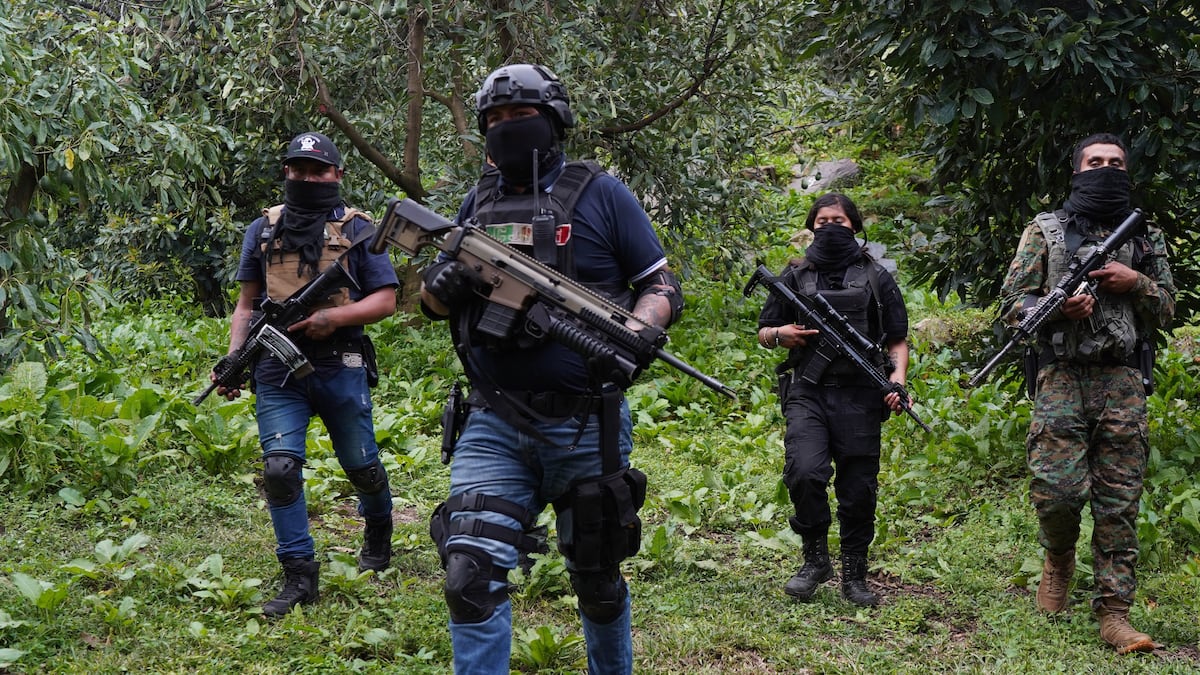
The death of El Mencho was not just another arrest. It was a seismic event that shattered the centralized command of Mexico’s most aggressive criminal organization. Within hours of the news, the CJNG unleashed "narcobloqueos"—coordinated roadblocks using burning buses and trucks—across more than 20 states.
While the Mexican government lifted the "Code Red" in Jalisco on February 24, the structural damage to the security environment remains. We are now entering a period of "atomization." When a cartel leader falls, the organization rarely disappears; it splinters. These splinters fight each other for local scraps, and rival groups like the Sinaloa Cartel move in to seize the weakened territory. For a traveler, this means the threat has moved from predictable "cartel-on-cartel" violence to a more erratic, localized form of conflict.
In Puerto Vallarta and Guadalajara, the situation has stabilized on paper. Flights have resumed, and the U.S. Embassy has lifted its shelter-in-place orders. But the "stabilization" is enforced by the barrels of 10,000 newly deployed federal troops. This is a peace maintained by presence, not by a lack of intent from the criminal underworld.
The Great Geographic Divide
To navigate Mexico safely, you must ignore the national headlines and look at the state-level data. The disparity in violence across the country is staggering.
| State | 2025 Homicide Rate (per 100k) | Risk Assessment |
|---|---|---|
| Yucatán | 1.5 | Extremely Low |
| Quintana Roo (Cancun/Tulum) | 17.5 | Moderate/Stable |
| Jalisco (Puerto Vallarta) | 24.2 | Volatile/High Monitoring |
| Colima | 81.4 | Extreme (Do Not Travel) |
| Sinaloa | 32.1 | High/Active Conflict |
The "Safe Six" states—Yucatán, Campeche, Coahuila, Durango, Nayarit, and Chiapas—consistently report homicide rates lower than many mid-sized American cities. If you are sitting on a beach in Mérida or exploring the ruins of Palenque, you are in one of the safest regions in North America.
The danger lies in the "grey zones." Places like Tulum and Playa del Carmen are suffering from their own success. While cartels do not target tourists—it's bad for the local economy they extort—the sheer density of the drug market in these nightlife hubs increases the chance of being a bystander in a "settling of accounts." In January 2026, we saw a marked 30% drop in national homicides, but that statistic offers cold comfort when a targeted hit occurs in a luxury beach club.
The World Cup Shadow
With the 2026 FIFA World Cup months away, the Mexican government is in a desperate sprint to project an image of absolute control. Guadalajara, a host city, is currently under a microscope. FIFA President Gianni Infantino has voiced "total confidence," but the reality on the ground is a massive military surge designed to suppress CJNG factions before the world arrives.
This creates a paradox for the traveler. You are arguably safer in a city like Guadalajara now because of the suffocating military presence, yet the underlying tension is higher than it has been in a decade. The risk isn't necessarily being kidnapped; it's the logistical nightmare of a sudden roadblock or a localized "curfew" that can strand you for 48 hours without warning.
How to Move in the New Mexico
If you choose to travel, the old rules of "staying in the resort" are no longer sufficient. You need a strategy that accounts for the current fragmentation.
- The Airport-to-Hotel Gap: This is your highest-risk window. Do not walk out of arrivals and haggle with "unmarked" taxis. Pre-arrange a private transfer through your hotel or a verified agency. In Puerto Vallarta and Tijuana, utilize secure transportation that monitors real-time road closures.
- The Toll Road Doctrine: Never save money by taking "libre" (free) roads. Stick to "cuota" (toll) highways. These are better maintained, more heavily patrolled, and less likely to be used for roadblocks.
- Daylight is Your Shield: Cartel activity and military checkpoints increase significantly after dark. Plan your overland travel to conclude by 4:00 PM.
- The Digital Tripwire: Enroll in the State Department’s STEP program, but also follow local "red vial" (road network) accounts on social media. They report roadblocks hours before the embassy issues an alert.
The Extortion Economy
While murder rates were down in late 2025, extortion—or "cobro de piso"—is the new growth industry for splintered cartel factions. This rarely affects the short-term tourist directly, but it impacts the quality and safety of the services you use. Small boutique hotels or remote Airbnb rentals in states like Michoacán or Guerrero are more vulnerable than large, international chains that have their own private security infrastructure.
If a deal seems too good to be true in a "Level 3" or "Level 4" state, it is likely because the overhead of security has been stripped away. In the current climate, paying the "security premium" of an established resort or a high-end tour operator is not just about luxury; it’s about buying into a protected ecosystem.
The Reality of the Risk
Mexico is not a war zone, but it is a country in the midst of a violent corporate restructuring. The "war" is over market share, not tourists. If you stay within the tourist corridors of the Yucatán, exercise basic urban awareness in Mexico City, and avoid the border states and the western highlands, the probability of encountering violence is remarkably low.
However, the days of blind confidence are over. The Mencho vacuum has introduced a variable of unpredictability that won't settle until a new hierarchy is established. If your idea of a vacation is complete mental shut-off, stick to the Caribbean side. If you are heading west, do so with your eyes open and your logistics locked down.
Would you like me to pull the latest state-specific security advisories for a particular destination on your itinerary?