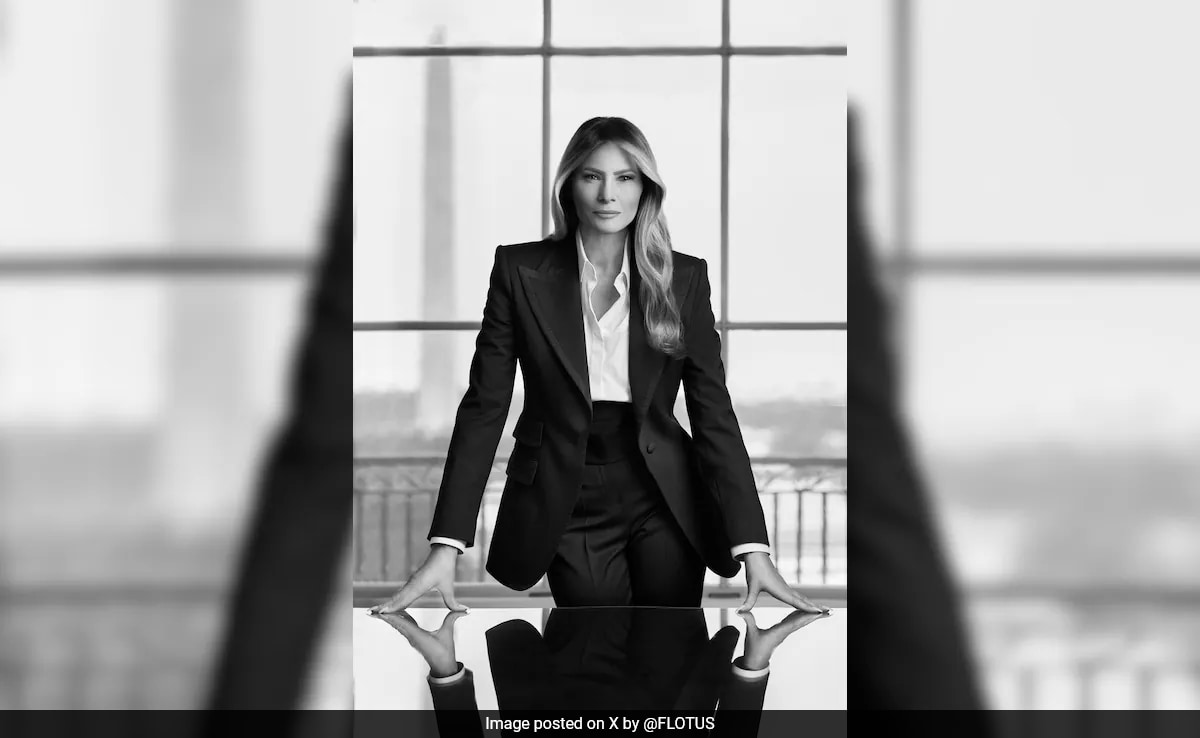
While the rest of the world watches the political theater of Washington, a much quieter—and fuzzier—expansion is happening on the South Lawn. Melania Trump just doubled down on the White House honey program, and it's not just for show. By installing a custom-designed beehive, the First Lady is leaning into a tradition that bridges the gap between presidential administrations through the simple, vital work of pollination.
The Buzz Behind the New South Lawn Addition
It’s easy to dismiss a new beehive as a minor property update, but look closer. This isn't your standard wooden box. The new hive is a hand-crafted miniature of the White House itself, designed by residence staff and built by a Virginia artisan. It’s a statement piece that serves a real purpose. Adding this third hive to the two already on-site effectively grows the "workforce" of the South Lawn.
During the height of summer, those existing hives can hold up to 70,000 bees. They churn out between 200 and 225 pounds of honey annually. This new addition is expected to bump that total by another 30 pounds. Why does 30 pounds of honey matter? Because White House honey isn't just for the President's morning tea. It's used in state dinner recipes, bottled as official diplomatic gifts, and donated to local food kitchens.
Diplomacy Through Beekeeping
The timing here is sharp. The announcement landed right before a state visit from King Charles III and Queen Camilla. If you know anything about the British royals, you know they're obsessed with bees. King Charles maintains multiple hives at Highgrove House, his private residence. Queen Camilla is a patron of Bees for Development.
Hosting a "bee-friendly" summit of sorts is a clever bit of soft diplomacy. It shows a shared commitment to environmental stewardship that transcends policy debates. When the Trumps host the King and Queen for a state dinner, you can bet that the clover and basswood-flavored honey from the South Lawn will be on the menu. It's a localized, sustainable touch that hits home for the visiting royals.
A Legacy of South Lawn Stewardship
Critics like to pretend every administration wipes the slate clean, but the White House honey program proves otherwise. This isn't a "Trump-only" project. It’s a continuation of work started by a White House carpenter named Charlie Brandt back in 2009.
- The Obama Era: Michelle Obama officially integrated beekeeping into her Kitchen Garden initiative.
- The Biden Era: Jill Biden maintained the hives and added a flower-cutting garden nearby.
- The Trump Era: Melania has expanded the program, using funds from the Trust for the National Mall to grow the colony count.
These bees don't just make honey; they are the engine for the entire South Lawn ecosystem. They pollinate the Kitchen Garden, the flower gardens, and even the vegetation across the National Mall. Without them, the White House grounds wouldn't look half as vibrant.
Why You Should Care About Presidential Pollinators
Honestly, beekeeping is one of the few truly bipartisan activities left in D.C. It’s a practical response to the global decline in pollinator populations. By keeping bees on the most famous lawn in the world, the First Lady is signaling that even urban environments—and high-security ones at that—can support biodiversity.
If the White House can manage 70,000 bees and a hundred pounds of honey with all the security and chaos of a presidency, you probably don't have an excuse for that dead patch in your backyard.
How to Support Your Local Bees
You don't need a Virginia artisan to build you a miniature White House to help the bees.
- Plant for Pollinators: Stick to native flowers. Bees love clover, lavender, and sunflowers.
- Ditch the Pesticides: Harsh chemicals are bee killers. Try organic alternatives for your lawn.
- Support Local Apiaries: Buy your honey from a local beekeeper. It supports the regional bee population better than the supermarket stuff.
Melania Trump’s expansion of the honey program is a reminder that some traditions are worth keeping—and growing. Whether it’s for a state dinner or a local food bank, more bees mean a healthier, more productive environment for everyone.