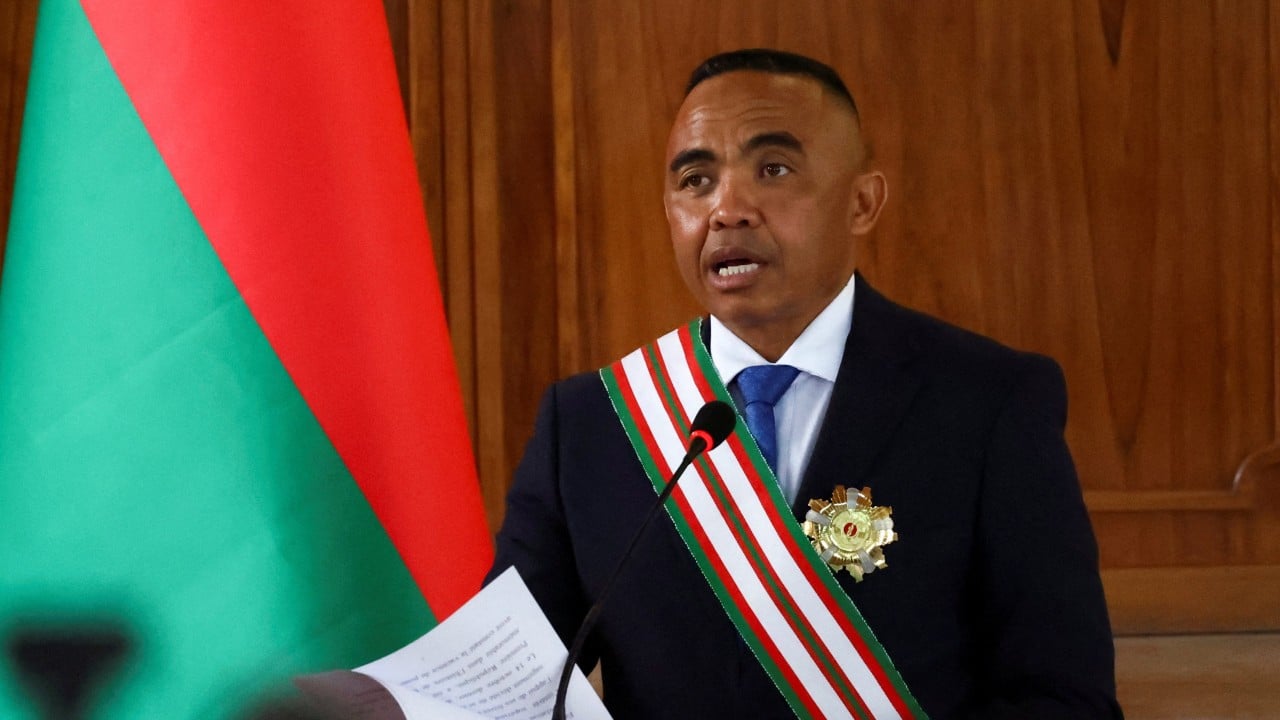
Madagascar’s political system just took a turn into the surreal. President Michael Randrianirina, who seized power in a military coup last October, isn't just reshuffling his cabinet. He’s putting every prospective minister through a lie detector test.
It sounds like a plot from a low-budget political thriller, but for the 32 million people living in one of the world's poorest nations, it's the latest attempt to break a cycle of corruption that’s choked the country for decades. Randrianirina, a colonel who led the CAPSAT military unit before ousting former President Andry Rajoelina, says he’s looking for "honest individuals" who can't be bought.
But can a machine actually find them?
The 60 Percent Rule for Integrity
Randrianirina’s approach is nothing if not pragmatic—or perhaps cynical, depending on how you view the Malagasy political elite. During a press conference in Antananarivo on March 19, 2026, he made a statement that raised eyebrows across the continent. He isn't looking for saints.
"We are not looking for someone who is 100% clean, but someone who is more than 60% clean."
It’s a bizarrely specific threshold. How do you quantify "60% clean" on a polygraph? The president didn't elaborate on the math, but the process is clear: if you fail the polygraph, you don't even get an interview. Only those who "pass" (whatever that looks like in the eyes of the specialized operator the government recently hired) move on to speak with Randrianirina and the newly appointed Prime Minister, Mamitiana Rajaonarison.
Rajaonarison himself is a telling choice for the job. Before taking office on March 15, he headed the country’s anti-corruption agency. Together, the two men are trying to signal to a skeptical public—and a restless "Gen Z" protest movement—that the days of backroom deals and embezzled aid are over.
Why a Polygraph and Why Now
Madagascar is in a state of flux. Last year’s uprising wasn't just another power struggle; it was driven by young people fed up with water shortages, power outages, and a complete lack of basic services. When the army sided with the protesters, Rajoelina fled, and Randrianirina stepped into the vacuum.
The interim leader has promised elections by late 2027. In the meantime, he’s under immense pressure to show results. Dissolving the entire cabinet last week was his "reset" button.
By introducing lie detector tests, Randrianirina is attempting to solve three problems at once:
- The Trust Gap: He needs to prove he’s different from the leaders who came before him.
- The Vetting Crisis: In a country where political alliances shift like sand, knowing who is actually loyal (or at least not actively stealing) is a massive challenge.
- The Protest Pressure: The youth movement that put him in power is watching his every move. If his new cabinet looks like the "old guard," the protests will start again.
The Problem With Polygraphs in Politics
If polygraphs were a foolproof way to catch liars, every government on earth would use them. They aren't. Most scientists agree that polygraphs measure physiological stress—increased heart rate, sweating, breathing changes—not "lies" themselves.
In a high-stakes environment like a ministerial vetting, even the most honest person might spike the needle. Conversely, a seasoned "professional" politician might have the emotional control to breeze through while hiding a dozen offshore accounts.
There’s also the question of who’s asking the questions. The government has hired a "specialist" to operate the machine, but in a military-led interim government, the line between "integrity check" and "loyalty test" is incredibly thin. Is the machine looking for corruption, or is it looking for people who might disagree with the President's future plans?
The Legal and Ethical Gray Area
Madagascar's constitution doesn't exactly have a "polygraph clause." Using a pseudoscientific tool as a hard gatekeeper for public office is a legal minefield.
- Reliability: Polygraph results are often inadmissible in courts because they are unreliable.
- Coercion: Prospective ministers are essentially forced to waive their privacy for a chance at a job.
- Transparency: There’s no word on whether the results of these tests will ever be made public.
What This Means for Madagascar's Future
This isn't just about a machine; it's about the desperation of a nation trying to find a way out of poverty. Madagascar has all the ingredients for success—vast natural resources, a young population, and a strategic location—but corruption has always been the anchor dragging it down.
If these tests actually filter out the most egregious offenders, Randrianirina might get the breathing room he needs to stabilize the economy before the 2027 elections. If it turns out to be a performative stunt, or worse, a tool to purge political rivals, it’ll only deepen the country’s instability.
Honestly, it’s a gamble. The "60% clean" target is a low bar, but for a country that’s seen its wealth siphoned off for decades, even a slightly more honest cabinet would be a massive upgrade.
If you’re following the political landscape in East Africa or interested in how unconventional anti-corruption tools are being used, keep an eye on the official government announcements from Antananarivo over the next week. The new cabinet list will be the first real evidence of whether the polygraph "filter" actually changed the face of Malagasy leadership.
Check the official Madagascar Presidency portal for the final list of appointments once they're released.