Is the luxury slump over? If you look at the latest numbers from LVMH, the answer is a cautious, expensive yes. After a year that felt like a slow-motion car crash for high-end retail, the world’s biggest luxury conglomerate is showing that its bet on a Chinese comeback wasn't just wishful thinking.
Bernard Arnault doesn't do panic. While everyone else was fretting over "luxury shame" and a cooling Chinese middle class, LVMH was busy redesigning its entire approach to the mainland. The result? A third-quarter organic growth of 1% that might sound tiny, but in this climate, it's a massive win. It’s the first time we’ve seen the needle move in the right direction this year, and it’s almost entirely thanks to Chinese shoppers getting their groove back.
The China pivot that actually worked
For most of 2024 and early 2025, the narrative was grim. Chinese consumers, historically the engine of global luxury, were keeping their wallets shut. But the 2025 data shows a shift. Asia (excluding Japan) has clawed its way back from a 6% decline in the first quarter to 2% growth in the latter half of the year.
What changed? It isn't just that people feel richer. It's that LVMH stopped waiting for tourists to fly to Paris or Tokyo and started bringing the "maison" experience to their doorstep.
Local demand is the new engine
Cécile Cabanis, LVMH’s CFO, recently pointed out something that most analysts missed: while Chinese travel spending is still struggling, local demand is growing in the mid to high-single digits. This is a fundamental shift in how the luxury world operates. We aren't seeing the "daigou" (surrogate shopper) era return. Instead, we're seeing the rise of the sophisticated domestic collector.
More than just handbags and champagne
LVMH isn't a monolith, and the recovery isn't hitting every department the same way. If you want to understand where the real money is moving, you have to look past the Louis Vuitton Monogram.
- Perfumes and Cosmetics: This sector has been the quiet hero. While people might hesitate to drop $5,000 on a bag, they’re still buying Dior's Sauvage and Fenty Beauty. Operating profit here actually climbed 8% in 2025. It’s the "lipstick effect" on steroids.
- Selective Retailing: Sephora is basically a money printer at this point. It’s gaining market share everywhere, especially in North America and Greater China. This division saw a 28% jump in recurring profit.
- Wines and Spirits: This is the tough spot. Champagne is stabilizing, but Cognac is still catching heat from U.S.-China trade tensions. It’s a reminder that even Arnault can’t outrun geopolitics.
Decoding the Arnault strategy
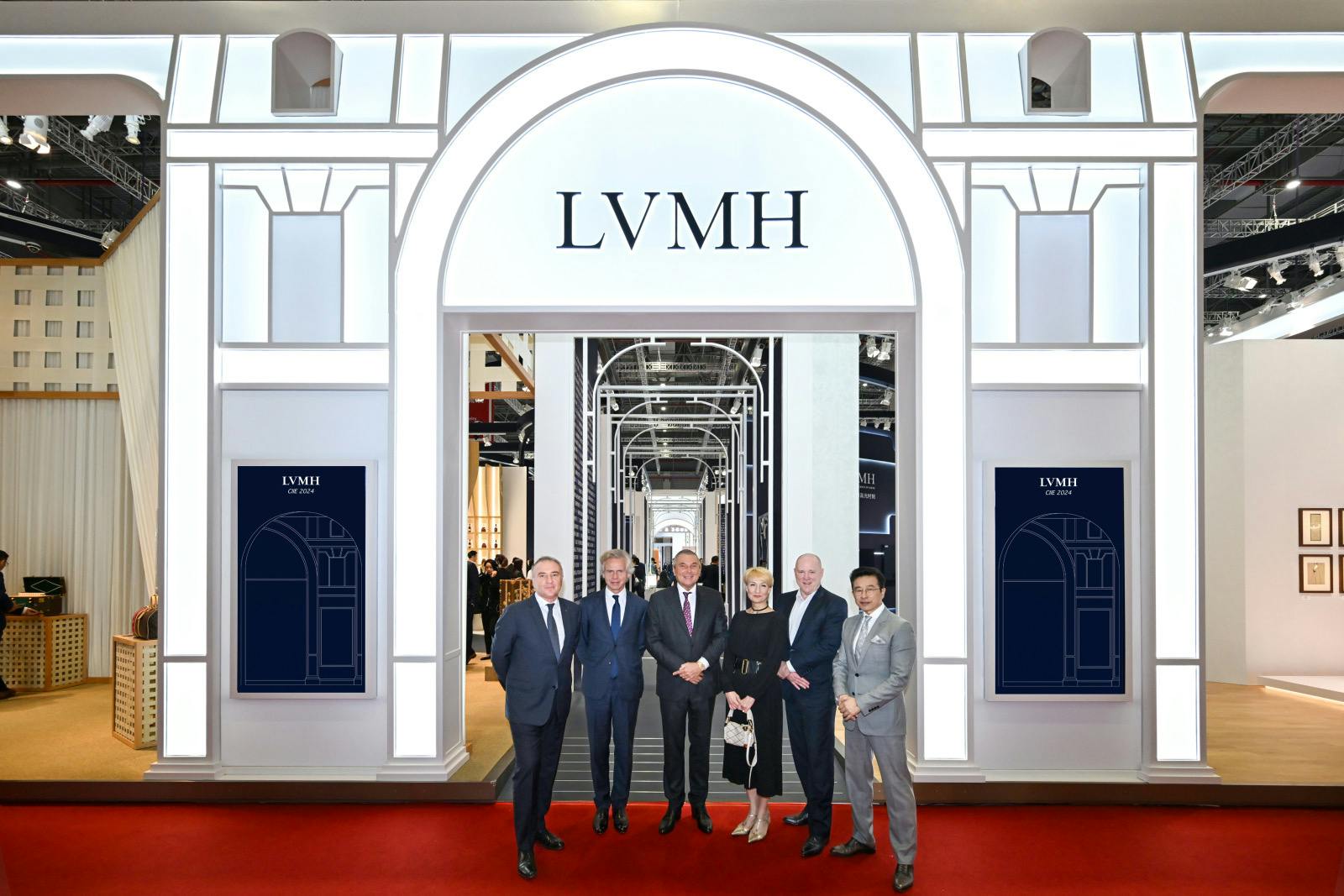
Bernard Arnault’s recent trips to China tell a story that isn't in the spreadsheets. He wasn't just checking on his own stores. He was spotted in places like Lao Pu Gold and Songmont—emerging Chinese brands that are actually giving the big European houses a run for their money.
Arnault understands that "luxury" in China is being redefined. It’s no longer enough to be a heritage brand from France. You have to be culturally relevant. That’s why we’re seeing massive projects like "The Louis" in Shanghai and the "Visionary Journeys" exhibition. These aren't just stores; they’re cultural landmarks. They create a "brand halo" that makes the products feel like part of a lifestyle rather than just status symbols.
The polarization of the market
We're seeing a massive gap between the leaders and the laggards. While LVMH and Hermès are finding ways to grow, other brands are getting left behind. The latest reports show the performance gap has widened significantly. You either have the scale to invest in these massive "experience" hubs, or you slowly fade into irrelevance.
Why the numbers don't tell the whole story
Headline revenue for 2025 hit €80.8 billion. That's a 5% drop on a reported basis, but a lot of that is just currency noise. The Euro has been volatile, and the yen's fluctuation earlier in the year caused a massive distortion as Chinese tourists flocked to Japan for "bargain" luxury, then stayed home when the currency shifted.
The real metric to watch is the operating free cash flow. It grew 8% to over €11 billion. This is LVMH’s war chest. It allows them to keep buying up prime real estate and investing in new categories like private jets (the Flexjet deal) while their competitors are cutting costs.
What you should actually do with this info
If you're an investor or just someone trying to read the room on the global economy, don't get distracted by the small headline misses. Focus on the structural changes.
- Watch the domestic Chinese market: The days of relying on Chinese tourists in Paris are over. If a brand isn't winning inside China, it isn't winning.
- Follow the "Selective Retailing" trend: Sephora's dominance is a better indicator of consumer health than high-end watch sales right now.
- Ignore the "slump" talk: It's a normalization, not a collapse. The post-COVID high was never going to last forever. What we're seeing now is the "new normal."
LVMH is betting that desirability wins in the long run. They’re willing to take a hit on margins today to make sure Louis Vuitton is still the most wanted brand on the planet in 2036. Based on these latest results, it’s a bet I wouldn't go against.
If you want to track this properly, start looking at the quarterly revenue of the "Selective Retailing" division versus the "Wines and Spirits" group. It'll show you exactly when the consumer moves from defensive spending back into full-blown luxury mode.