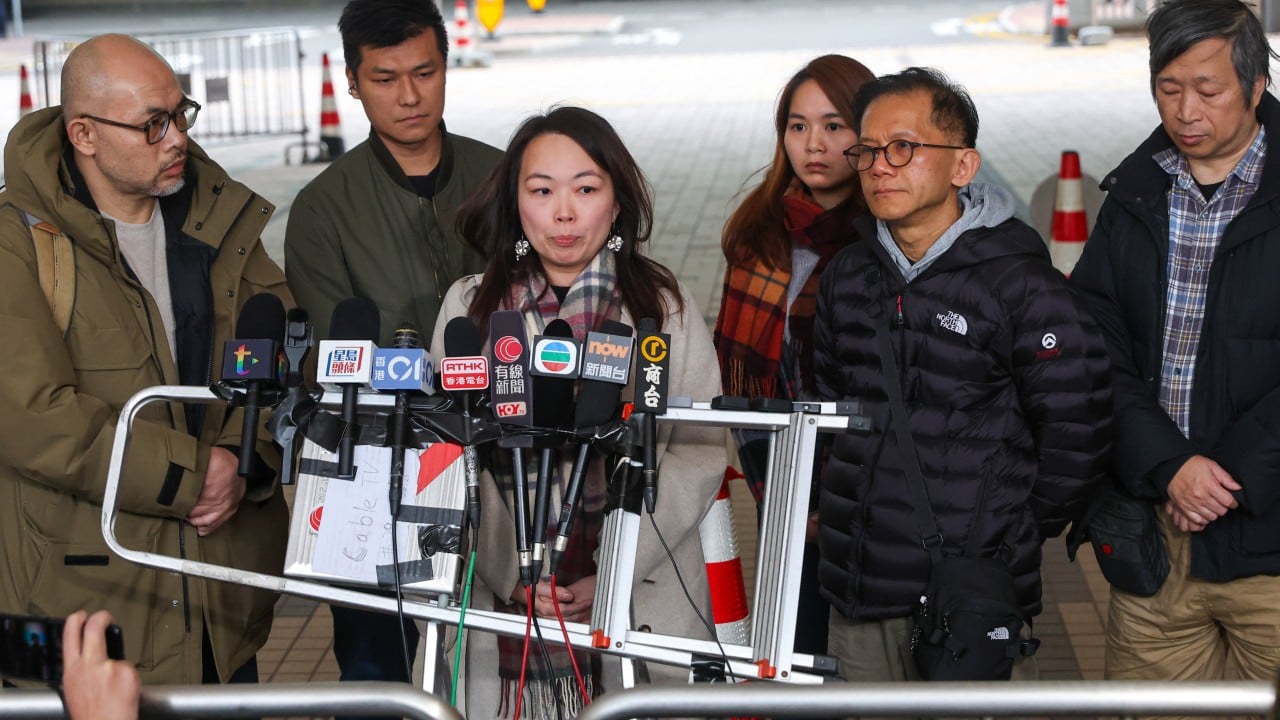
Justice in Hong Kong is often described as a slow-grinding mill, but for the families of the 38 victims of the 2012 Lamma ferry disaster, the machinery has appeared to be jammed by design. Over a decade after the Lamma IV collided with the Sea Smooth, sending dozens to a watery grave in the city’s deadliest maritime accident in forty years, the push for a full public inquest remains a desperate battle against institutional inertia. The recent legal maneuvers to force a review of the coroner’s refusal to hold an inquest are not merely about mourning. They represent a fundamental challenge to a system that has, for years, prioritized the protection of bureaucratic reputations over the transparency required to prevent the next tragedy.
The core of the frustration lies in the gap between what the public knows and what the government has admitted. While some mid-level officials and the two captains faced criminal charges, the structural failures—the missing watertight door, the improperly installed seats that crushed passengers, and the systemic oversight lapses within the Marine Department—have never been scrutinized in a public, adversarial forum where officials are forced to testify under oath. The families are not asking for a repeat of the 2013 Commission of Inquiry; they are demanding the disclosure of the full, unredacted internal investigation reports that have been kept under lock and key for years.
The Anatomy of a Cover Up by Omission
To understand why a new inquest is vital, one must look at the specific technical failures that turned a routine collision into a mass-casualty event. When the Lamma IV was hit, it sank with terrifying speed. Investigation records eventually revealed that a crucial watertight bulkhead had been omitted during construction. This was not a minor clerical error. It was a catastrophic deviation from approved plans that went undetected by Marine Department inspectors for years.
The inspectors signed off on the vessel annually. They looked at the hull, the lifejackets, and the engines, yet they failed to notice that a wall meant to keep the ship afloat was simply not there. In a standard coroner’s inquest, these inspectors would be called to the stand. They would be asked, under the penalty of perjury, how such a glaring omission survived decades of "rigorous" checks. By blocking the inquest, the government effectively shields these individuals and their superiors from public cross-examination. This creates a dangerous precedent where systemic negligence can be buried if the political cost of exposure is deemed too high.
The Missing Internal Report and the Culture of Secrecy
For years, the families have been haunted by the existence of a 400-page internal investigation report compiled by the Transport and Housing Bureau. Only a heavily redacted summary was ever made public. Authorities cited "privacy" and the risk of prejudice to ongoing legal proceedings as reasons for the secrecy. However, those legal proceedings ended years ago. The continued suppression of this document suggests that the "privacy" being protected is not that of the victims, but of the civil servants who failed them.
The families' current legal challenge hinges on "new evidence" that has surfaced through their own private efforts and leaked information. This includes details about the weight-bearing capacity of the seats on the upper deck. During the sinking, these seats broke loose and pinned passengers underwater. It was a trap. If the Marine Department knew the seats were improperly secured and did nothing, that moves the needle from simple negligence toward gross misconduct. An inquest is the only mechanism left in the Hong Kong legal toolkit that can compel the production of these documents and the testimony of those who wrote them.
Marine Department Reform or Mere Reshuffling
Following the disaster, there were grand promises of "radical reform" within the Marine Department. New leadership was installed, and safety protocols were supposedly tightened. Yet, industry insiders and maritime analysts remain skeptical. Without a public accounting of the past, reform is often cosmetic. If the personnel responsible for the Lamma IV failures were allowed to retire with full pensions or were moved to different departments without consequence, the underlying culture of the bureaucracy remains unchanged.
The resistance to a public inquest signals to the maritime industry that "business as usual" is acceptable as long as the optics are managed. Modern maritime safety relies on a "no-blame" culture for reporting errors, but that is entirely different from a "no-accountability" culture for systemic failure. When a watertight door is missing from a ship's design, that is not an "error" in the traditional sense; it is a failure of the entire regulatory apparatus.
The Impact of the High Court Ruling
The recent decision by the High Court to allow the families to move forward with their bid for an inquest review is a rare glimmer of hope in a bleak decade. The judges acknowledged that the public interest in knowing the truth may outweigh the government's desire to keep its internal files private. This is a significant pivot. It suggests that the judiciary recognizes that the closure sought by the families is not just emotional, but a requirement for the rule of law.
If the review succeeds, it will force a reopening of files that have been gathering dust in government vaults. It will bring back witnesses who thought they had escaped scrutiny. Most importantly, it will provide a template for how the public can hold a powerful bureaucracy accountable when the internal mechanisms of government fail to do so.
The Global Standard for Maritime Inquiries
In other major jurisdictions, a disaster involving 38 deaths would trigger a mandatory, public, and exhaustive inquest. From the Herald of Free Enterprise in the UK to the Sewol ferry in South Korea, the standard is clear: the public has a right to know exactly how the safety net failed. Hong Kong’s attempt to truncate this process by pointing to previous criminal trials of the captains is a distraction. The captains were responsible for the collision; the government was responsible for the unseaworthiness of the vessel that turned that collision into a massacre.
The families' fight is a reminder that the cost of a disaster is not just measured in lives lost, but in the erosion of trust that follows when the truth is rationed. Every day the full report remains hidden, the message to the public is that some institutions are simply too big to be held accountable.
The maritime safety of the millions who travel through Hong Kong’s waters every day depends on the outcome of this legal struggle. If the deficiencies of the Lamma IV are allowed to remain a secret, then every ferry passenger in the city is currently relying on a safety regime that has never been truly tested or purged of its past failures. Transparency is the only disinfectant that can clear the air in the Marine Department, and a public inquest is the only way to apply it.
The push for a review is not an act of vengeance. It is a demand for the basic decency of an honest answer. The families have spent fourteen years asking "how did this happen?" and "who let this happen?" while the state has spent fourteen years saying "move on." Moving on is impossible when the wreckage of the truth is still submerged. The High Court now holds the power to finally bring that truth to the surface, regardless of whose reputation might be damaged in the process. Authorities must decide if they serve the public or the personnel files of their predecessors. For the survivors, the answer to that question will determine whether Hong Kong is a city governed by law or by the convenience of its bureaucrats.