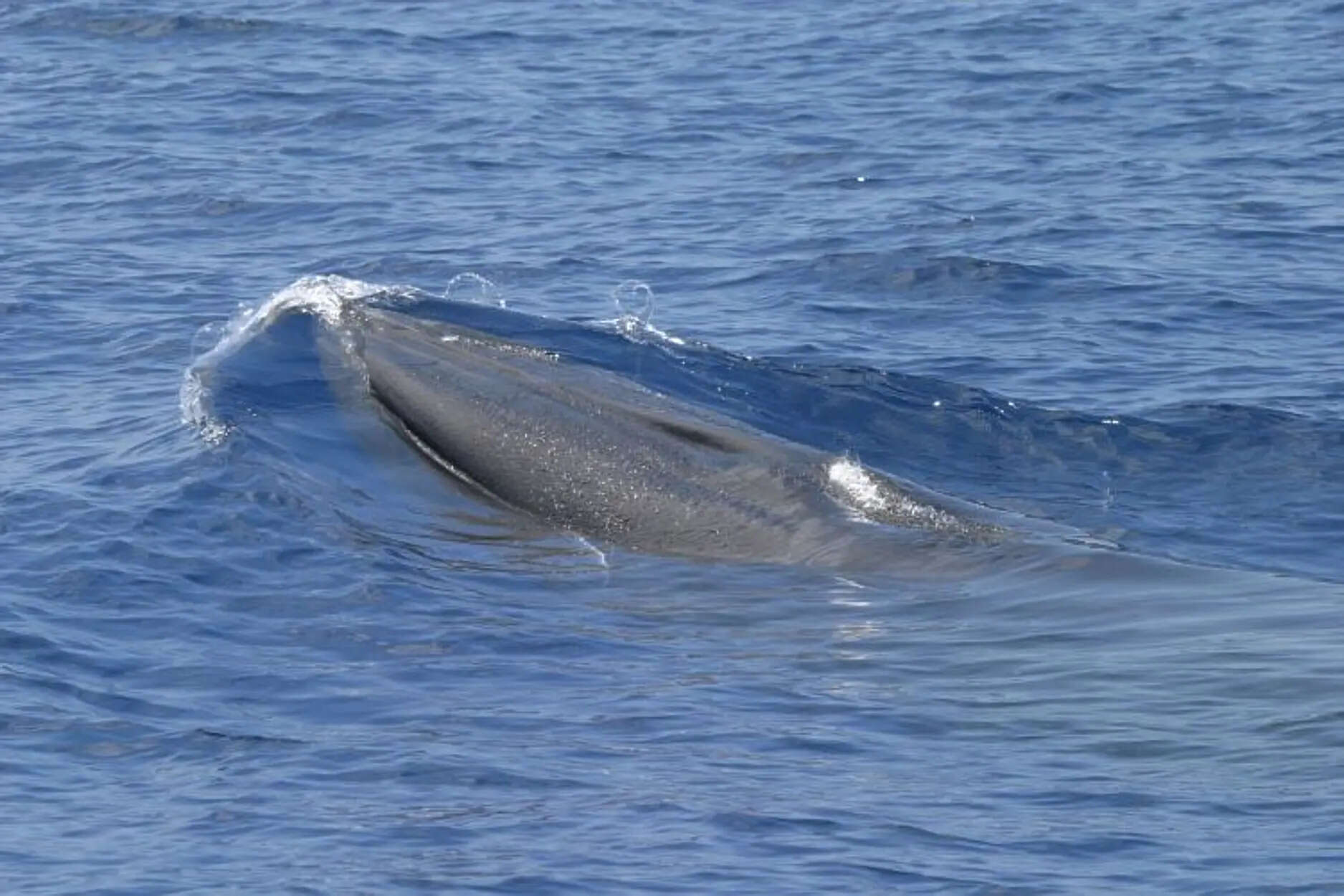
Fifty miles off the coast of Louisiana, where the water turns a bruised, midnight blue, a Rice’s whale exhales. It is a wet, explosive sound that carries for miles across the glass-flat surface of the Gulf. This animal is one of fewer than fifty left on the entire planet. It is a ghost in its own home.
The whale doesn’t know about the ink drying on a desk in Washington D.C. It doesn’t understand "drilling permits" or "economic expansion." It only knows the sound. For a creature that perceives the world through vibration and song, the Gulf of Mexico has become a construction site that never sleeps.
The Sound of Progress is a Scream
To understand what is happening under the waves, you have to stop thinking about the ocean as a silent place. It is a cathedral of sound. Rice’s whales use low-frequency moans to find their kin across hundreds of miles. But now, that communication is being shredded.
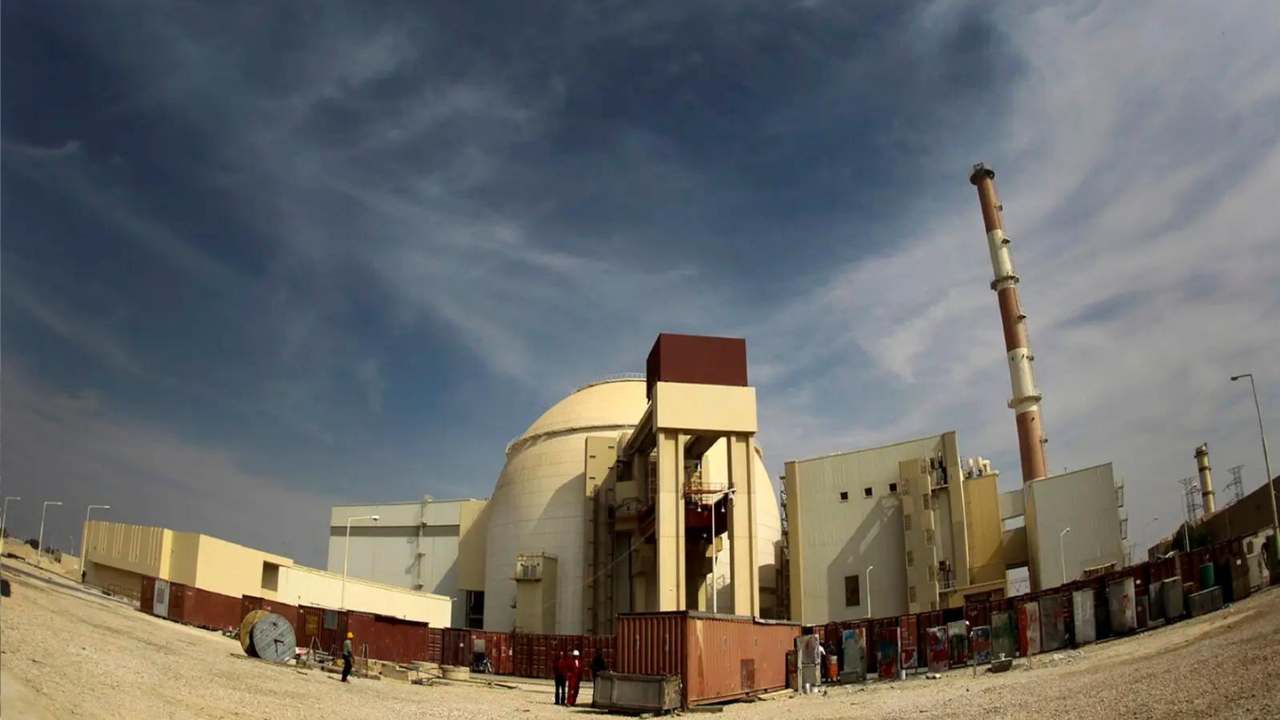
The recent decision to expand oil and gas leasing into the specific, narrow habitat of the Rice’s whale isn’t just a policy shift. It is a volume knob turned to the breaking point. Seismic blasting—the method used to find oil deposits—involves air guns that fire every ten seconds, 24 hours a day. These blasts are louder than a jet engine taking off from your front porch.
Imagine trying to whisper to your child in the middle of a continuous explosion. You can’t eat. You can’t find your way. You certainly can't fall in love. For the Rice's whale, this isn’t a metaphor. It is their daily reality. When the noise begins, they stop feeding. They scatter. They become disoriented, wandering into the paths of massive cargo ships that slice through them like butter.
The Invisible Stakes of a Calculation
Economists talk about "trade-offs." They speak of energy independence and the necessity of tapping into the Gulf’s rich mineral veins. They point to the billions of dollars in revenue and the thousands of jobs tied to the offshore industry. On a spreadsheet, the math looks clean.
But spreadsheets are terrible at measuring the soul of an ecosystem.
The Rice’s whale is what biologists call a "sentinel species." They are the canary in the deep-sea coal mine. By choosing to open up the specific waters they inhabit—a relatively small sliver of the Gulf—the administration is essentially saying that the risk of a total species collapse is an acceptable line item on a balance sheet.
It is a gamble with stakes that are permanent. You can grow an economy. You can't regrow a species once the last heart stops beating.
A Hypothetical Walk Along the Rig
Let’s look at this through the eyes of a worker named Elias. Elias is a third-generation oil man. He believes in the work. He sees the massive steel legs of the platforms as monuments to human ingenuity. To him, the oil isn't just fuel; it’s the heat in his daughter’s bedroom and the tuition for her college.
Elias doesn't want to kill a whale. Most people don't. But the system he operates within is designed for extraction, not coexistence. When the permits are granted, the ships move in. The seismic crews arrive. The pressure to produce outweighs the "slow down" orders that might save a whale from a ship strike.
The conflict isn't between "evil corporations" and "helpless nature." It’s a conflict of scales. We are operating on the scale of quarterly earnings and four-year election cycles. The Rice's whale is operating on the scale of evolutionary time. One of these scales is about to crush the other.
The Geography of Extinction
The Gulf of Mexico is vast, but the Rice’s whale is picky. They live almost exclusively in a narrow band of water between 100 and 400 meters deep. This is their kitchen, their bedroom, and their nursery.
By expanding drilling specifically in these zones, the "God Squad"—that handful of high-level officials with the power to bypass the Endangered Species Act—is effectively shrinking an already tiny cage. We aren't just sharing the space; we are colonizing the last room they have left.
Data from the National Oceanic and Atmospheric Administration (NOAA) suggests that even a single "human-caused mortality" per year could be enough to tip the species into a death spiral from which it cannot recover. A single ship strike. A single botched seismic survey. One mistake.
The Ghost of the Deep
There is a specific kind of grief in knowing that something exists and is disappearing simultaneously. We have the technology to map the ocean floor with terrifying precision, yet we lack the will to listen to what is living on it.
We are currently witnessing the first human-caused extinction of a baleen whale species in recorded history. This isn't a theory. It is a slow-motion car crash happening in the blue shadows of the Gulf.
If the drilling proceeds as planned, the noise will intensify. The ships will multiply. The Rice’s whale will continue to dive, searching for a pocket of silence that no longer exists. They will sing their low, mournful songs into a void of mechanical thunder until, eventually, there is no one left to answer.
The ocean will still be there. The rigs will still pump. But the heartbeat of the Gulf will be a little fainter, a little hollower, and the silence that follows will be the loudest thing we’ve ever heard.