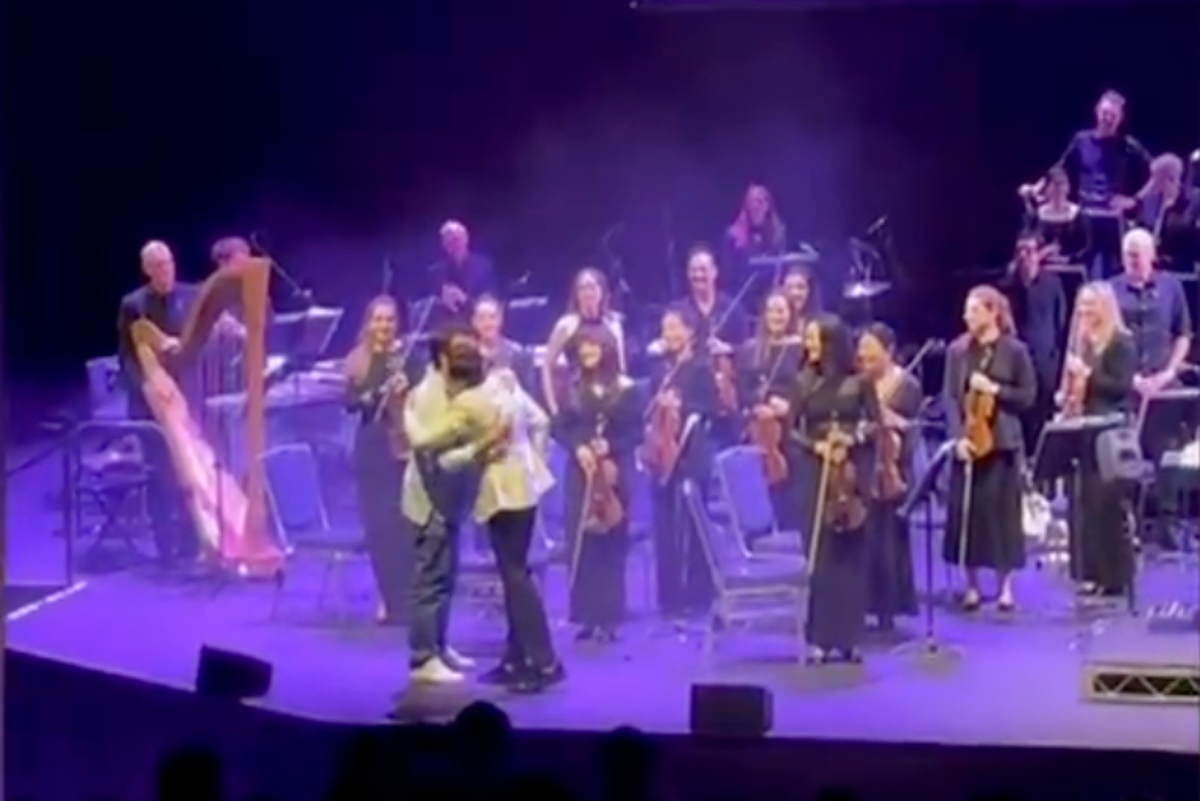
The long-rumored union between Lana Del Rey and the James Bond franchise has finally moved from the fever dreams of Reddit forums to the cold reality of a development spreadsheet. Reports confirm that Del Rey will record the theme for the upcoming Bond video game, Project 007, currently under development by IO Interactive. It is a decision that arrives at least a decade late, yet it represents a calculated attempt by Eon Productions and its digital partners to reclaim the cultural relevance that has been slipping through 007’s fingers since the credits rolled on No Time to Die.
For years, the "Lana for Bond" campaign was a grassroots phenomenon fueled by the singer’s obsession with 50s noir, tragic glamour, and the cinematic decay of the American Dream. Her 2015 track "24" was essentially a three-minute audition for Spectre, a job she ultimately lost to Sam Smith’s divisive "Writing's on the Wall." By choosing her now for a gaming title rather than a flagship film, the gatekeepers of the Bond estate are signaling a shift in strategy. They are no longer just making a game; they are trying to bridge the gap between an aging cinematic icon and a younger, more cynical audience that values "vibe" over traditional action-hero tropes.
The Financial Mechanics of a Digital Theme
Securing a talent like Del Rey for a video game isn't a simple vanity project. It is a high-stakes business maneuver. In the current market, the production budget for a triple-A title can rival a mid-sized Marvel movie, often exceeding $200 million. The ROI on these projects depends heavily on "stickiness"—the ability to keep players engaged and talking about the product long after the initial launch.
Music is the secret weapon in this equation. When a player hears a haunting, orchestral Del Rey ballad during the opening credits of a game, it elevates the medium. It moves the project from being a "licensed shooter" to a "prestige experience." This distinction is vital for IO Interactive, the studio behind the successful Hitman reboot. They aren't just competing with other shooters; they are competing for the prestige space occupied by HBO dramas and A24 films.
The Demographic Pivot
The Bond franchise has a problem. Its core audience is getting older, and the gap between Daniel Craig’s departure and the announcement of a new 007 is creating a vacuum. By tethering Del Rey to the brand, Eon is tapping into a specific, highly loyal demographic: the "sad girl" aesthetic and the queer community, both of whom have championed Del Rey’s cinematic melancholia for years.
This isn't about selling copies to people who already love Bond. It’s about convincing people who don't care about tactical reloads or gadgets to buy a $70 game because it captures a mood they find irresistible.
Why IO Interactive is the Only Choice for This Experiment
To understand why this musical choice matters, you have to look at the developer. IO Interactive spent the last several years perfecting the "social stealth" genre. Their Hitman series isn't about mindless violence; it’s about high-stakes puzzles set in glamorous, international locales. It is, essentially, a Bond simulator in everything but name.
When the studio announced they were working on an original Bond origin story, the industry held its breath. The history of Bond games is littered with failures—clunky titles that tried to mimic Call of Duty while wearing a tuxedo that didn't fit. GoldenEye 007 (1997) remains the gold standard, not because it was a great Bond story, but because it revolutionized how we played games with friends. Since then, the franchise has struggled to find a voice.
Escaping the Shadow of the Film Industry
For decades, Bond games were treated as secondary marketing materials for whatever film was in theaters. This "movie tie-in" curse meant developers were often rushed to meet release dates, resulting in unfinished, uninspired products.
Project 007 is different. It is an independent narrative. By giving the game its own theme song by a global superstar, the developers are asserting that the digital Bond is just as "canon" as the celluloid one. They are building a standalone universe where the player isn't just playing through a movie they already saw; they are living a version of Bond that hasn't been diluted by the requirements of a two-hour theatrical runtime.
The Cinematic Sound of Modern Melancholy
Lana Del Rey’s music has always been deeply rooted in the past, making her the perfect sonic match for a character whose primary struggle is his own obsolescence. The Bond theme requires a specific set of ingredients:
- A minor-key progression that suggests danger and betrayal.
- Sweeping strings that evoke luxury and scale.
- Vocal delivery that balances power with a sense of impending doom.
Del Rey has mastered this formula. From "Born to Die" to "Young and Beautiful," her discography is a masterclass in the "Bondian" sound. The real question is whether the game's writers can match her intensity. If the story is a generic "stop the madman" plot, a Del Rey theme will feel like a $1,000 tie on a $50 suit.
The Risk of Aesthetic Overload
There is a danger here. If the developers lean too hard into the "vintage" aesthetic that Del Rey represents, the game risks becoming a parody of itself. Bond is at his best when he is a blunt instrument crashing through a refined world. If the game becomes too focused on the mood and the music, it might lose the visceral, bone-crunching impact that Daniel Craig brought back to the character.
Negotiating the Future of the 007 Identity
The choice of Del Rey is a silent admission that the Bond franchise needs a transplant. The traditional "macho" energy of the 60s and 70s doesn't resonate the same way in 2026. Today’s audience wants complexity. They want a protagonist who feels the weight of his actions, and they want a soundtrack that reflects that internal burden.
Industry analysts have noted that the music industry and the gaming industry are merging in ways that were unthinkable a decade ago. We’ve seen virtual concerts in Fortnite and high-profile soundtracks for games like Death Stranding. The Bond franchise is finally catching up. They are realizing that the "theme song" is no longer just a marketing tool for radio; it is a fundamental part of the world-building process.
The Hidden Clauses
While the public sees a glamorous partnership, the backroom deals are likely focused on intellectual property and streaming rights. In the past, music licensing has been a nightmare for game developers. Old games are often pulled from digital stores because the music licenses expired.
Insiders suggest that the deal with Del Rey is structured differently. It isn't just a license; it is a co-production. This ensures that the song remains a permanent fixture of the game’s identity, protecting the investment for decades. It also allows for cross-platform promotion, where the music video for the theme serves as a high-definition trailer for the game itself.
The Ghost of James Bond
We are currently in the longest "dark period" for Bond since the gap between Licence to Kill and GoldenEye. During these lulls, the brand usually retreats into the shadows to reinvent itself. Usually, this happens on a movie set in Pinewood Studios. This time, it’s happening in a digital environment.
If Project 007 succeeds, it will change how we define the James Bond experience. It will prove that the character doesn't need a specific actor's face to be relevant. He needs a specific feel. He needs the cold snap of a vodka martini, the hum of a high-performance engine, and the haunting, smoky vocals of a singer who understands that every mission might be the last.
The decision to hire Lana Del Rey is the first piece of concrete evidence we have regarding the direction of the new Bond. It tells us that the future of 007 isn't going to be louder or faster. It’s going to be darker, more atmospheric, and deeply concerned with the ghosts of the past.
For the first time in years, the most interesting thing about James Bond isn't who is playing him, but how he sounds. The industry is watching to see if this gamble pays off, or if it’s just another attempt to polish a relic for a generation that has already moved on.
Demand for the track will be astronomical. The pressure on IO Interactive to deliver a gameplay experience that matches the gravitas of a Del Rey performance is even higher. They have the singer. They have the engine. Now they just need to prove that Bond can still kill in a world that has seen it all before.
Stop looking for the next actor. Listen to the music. That is where the new Bond is being born.