Shipping lanes are the literal arteries of the global economy, and right now, the Strait of Hormuz is under a microscope. Iran knows it. You've likely seen the headlines about tensions in the Persian Gulf, but there’s a deeper story here than just military posturing. It's about a calculated economic strategy. Tehran isn't just looking to flex its muscles; it's trying to turn one of the world's most dangerous "choke points" into a source of leverage and hard cash.
The Strait of Hormuz is tiny. At its narrowest, it’s only about 21 miles wide. Yet, every single day, roughly 20 to 30 percent of the world’s total oil consumption passes through this gap. If you’ve ever filled up your car and wondered why the price jumped overnight, there’s a good chance something happened in these waters. For Iran, this isn't just geography. It’s their greatest natural resource, even more than the oil buried under their soil.
Why the Strait of Hormuz is the Ultimate Leverage
Think of the Strait as a toll booth where the currency isn't just money, but political influence. Iran sits on the northern coast, watching every tanker that slides by. When sanctions squeeze the Iranian economy, the government in Tehran looks toward the water. By threatening to close the Strait—or simply by making it more expensive to navigate—they force the rest of the world to pay attention.
Energy security is a fragile thing. Markets hate uncertainty. Even a small "incident" involving a drone or a boarding party sends insurance premiums for tankers through the roof. Those costs don't just stay with the shipping companies. They trickle down to you. Iran understands that by keeping the world on edge, they can negotiate from a position of strength, even when their domestic economy is struggling.
The Economic Toll of Maritime Tension
When we talk about Iran "cashing in," we aren't just talking about oil sales. We’re talking about the cost of risk. Shipping companies operate on thin margins. When the Strait becomes a "high-risk area," Lloyd's of London and other insurers hike their rates.
During periods of high tension, "war risk" surcharges can add hundreds of thousands of dollars to a single voyage. Some might argue this hurts Iran too, as they need to export their own crude. But the math is different for them. If they can cause enough global pain to force a loosening of sanctions, the temporary loss in shipping efficiency is a price they’re willing to pay.
Shadow Fleets and Secret Sales
It's no secret that Iran has become a master at bypassing Western restrictions. They've built what experts call a "shadow fleet." These are aging tankers, often with obscured ownership and turned-off transponders, that move Iranian oil to buyers who don't mind the risk.
By controlling the waters around the Strait, Iran ensures these shadow vessels can operate with relative safety compared to foreign-flagged ships. They’ve essentially created a two-tier system in the Gulf. One for the rule-followers who pay the high insurance and deal with the stress, and one for the "ghost" ships that keep the Iranian treasury afloat.
The Infrastructure Gamble
Tehran is also trying to build its way out of the "Hormuz Trap." You might think it's weird that a country would want to bypass its own primary leverage point, but it's actually smart business. The Goreh-Jask pipeline project is a massive undertaking designed to move oil from the Persian Gulf to the Gulf of Oman, bypassing the Strait entirely.
This gives Iran a "dual-threat" capability. They can threaten to shut down the Strait for everyone else while still being able to export their own oil from a terminal located outside the bottleneck. It’s a move straight out of a geopolitical chess book. If you can lock the front door but you have a secret side exit, you’re the one in control of the house.
Realities of Military Control in the Gulf
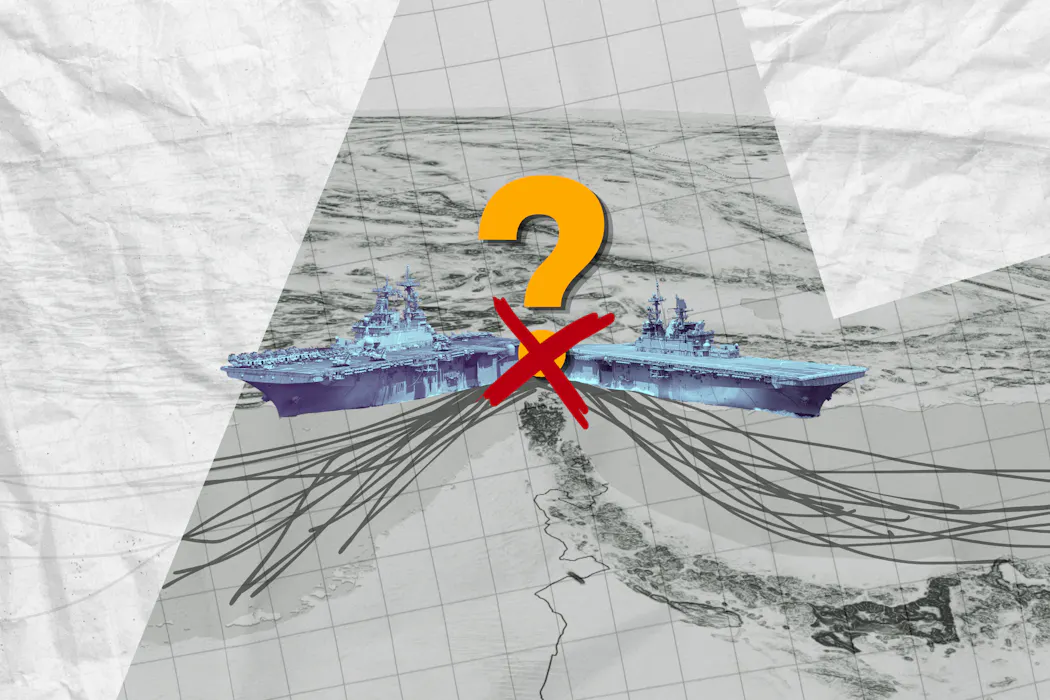
Don't buy the idea that Iran could easily "close" the Strait forever. The U.S. Fifth Fleet, based in Bahrain, exists almost entirely to make sure that doesn't happen. Any attempt to physically block the channel with mines or sunken ships would likely lead to a massive military escalation that Iran probably wouldn't win in the long run.
But they don't have to win a war. They just have to win the "gray zone."
Harassment of tankers, seizing ships under the guise of "environmental violations," and conducting loud naval drills are all ways to exert control without firing a shot that starts a full-scale conflict. It’s a game of chicken played with 300,000-ton vessels.
The Role of China and India
Iran’s economic play only works because they have customers. China, in particular, has become a vital lifeline. Beijing's thirst for energy means they’re often willing to ignore U.S. sanctions in exchange for discounted Iranian crude. This relationship changes the dynamic of the Strait. If Iran knows they have a guaranteed buyer who isn't going to stop purchasing, their "leverage" over Western nations becomes much more potent.
India, too, finds itself in a tough spot. They need the energy, and they've historically invested in Iranian ports like Chabahar. Iran uses these investments as anchors, making it harder for these global powers to side against them when tensions rise in the water.
What Most People Get Wrong About the Bottleneck
Many analysts focus solely on the "closure" scenario. That’s a mistake. The real story is the "slow bleed." Iran doesn't need to stop the flow of oil to make the world pay. They just need to make the flow irregular.
The global supply chain is built on "just-in-time" delivery. If a tanker is delayed by three days because of a security standoff, it throws off refinery schedules in Asia or Europe. Those delays have a price tag. Iran "cashes in" on this chaos by demonstrating that they are the primary power in the region. They want the world to acknowledge that no business happens in the Gulf without their tacit approval.
Navigating the Future of Gulf Energy
If you're looking at the long-term trends, keep your eyes on two things: pipeline capacity and drone technology. Iran has invested heavily in low-cost drone tech. These "suicide drones" are an incredibly cheap way to threaten very expensive ships.
From an economic perspective, the "cost-to-kill" ratio is heavily in Iran's favor. A drone that costs $20,000 can theoretically disable a ship worth $100 million carrying $100 million in cargo. That’s a terrifying reality for global trade. It’s also why Iran remains so confident despite facing some of the harshest sanctions in modern history.
The Shift to the Gulf of Oman
Watch for the development of Jask. If Iran successfully shifts its primary export hub to the Gulf of Oman, the strategic value of the Strait of Hormuz changes. It becomes a weapon they can use against their neighbors—like Saudi Arabia and the UAE—without hurting their own bottom line as much.
The neighboring states aren't sitting still. They’ve built their own pipelines to bypass the Strait, but the capacity isn't enough to handle the total volume of Gulf exports. The bottleneck remains, and as long as it does, Iran holds the keys.
Practical Steps for Following This Crisis
You don't need to be a geopolitical analyst to see where this is going. If you want to track how Iran is playing its hand, stop looking at the fiery speeches and start looking at the shipping data.
- Check the "War Risk" premiums. When insurance companies raise rates in the Persian Gulf, it's a signal that the intelligence community sees a real threat.
- Monitor the "Dark Fleet." Use maritime tracking sites to see how many tankers are loitering off the coast of Iran with their transponders off. This is the heartbeat of Iran's secret economy.
- Watch the progress of the Jask terminal. The day Iran can move 1 million barrels per day from outside the Strait is the day the balance of power officially shifts.
The Strait of Hormuz is more than a waterway; it's a barometer for global stability. Iran is betting that the world’s need for oil will always outweigh its desire to enforce strict sanctions. So far, they haven't been proven wrong. Every time a tanker enters those narrow waters, they're proving that Tehran's greatest asset isn't what's in the ground, but what's in the water right next to it.