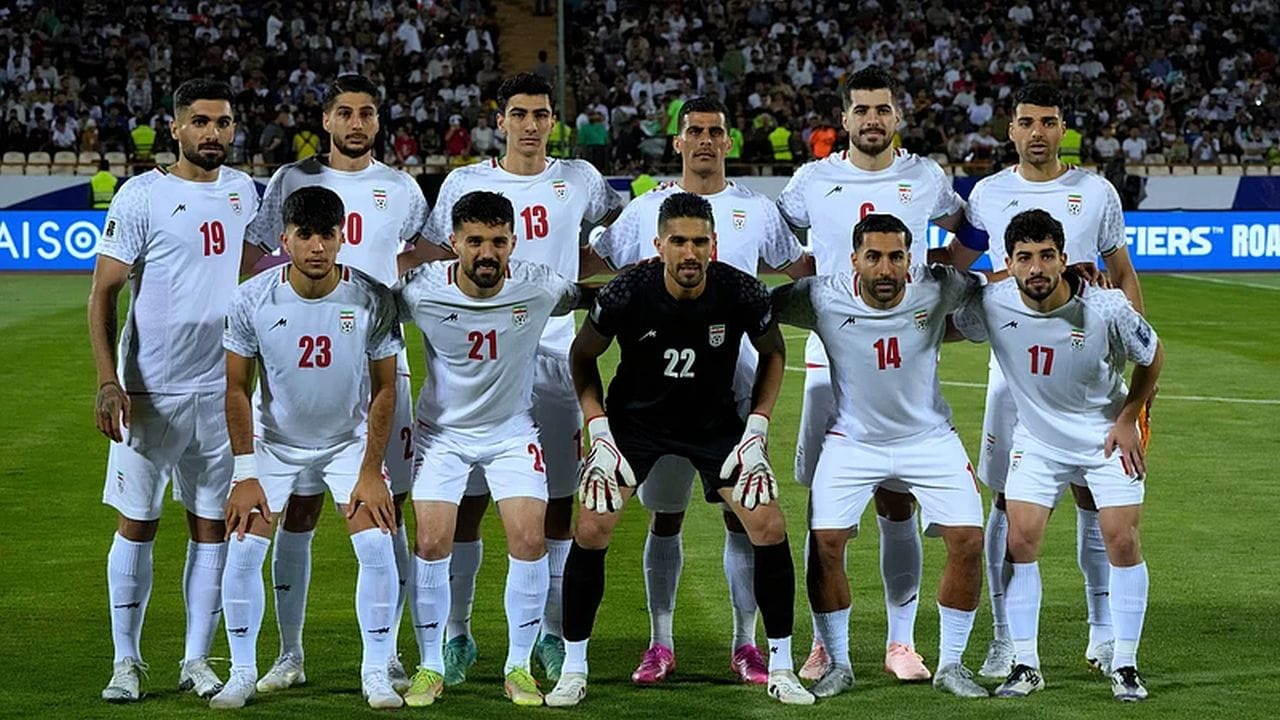
The soccer pitch is usually the one place where global drama takes a back seat to the game, but the 2026 World Cup is already breaking that rule. Washington recently cleared the air regarding Iran's participation, and the message is blunt. Iranian players are welcome to compete on American soil, but their entourage is going to face a wall of security. Specifically, anyone with ties to the Islamic Revolutionary Guard Corps (IRGC) will be blocked at the border.
It’s a classic case of sports meeting hard-line geopolitics. Secretary of State Marco Rubio made it clear this week that while the U.S. doesn't object to the athletes themselves, they won't allow the tournament to be used as a backdoor for IRGC members. "They can’t bring a bunch of IRGC terrorists into our country and pretend they are journalists or athletic trainers," Rubio told reporters. This isn't just tough talk; it's a logistical headache that could jeopardize whether Iran actually shows up.
The IRGC factor and the visa wall
The IRGC isn't just a military branch; it's a massive entity woven into the fabric of Iranian society and its sports federations. By designating the IRGC as a foreign terrorist organization, the U.S. has created a massive legal hurdle for the Iranian delegation. When a national team travels, they don't just bring 26 players. They bring a small army of coaches, medics, security detail, and "officials."
In the past, these roles have often been filled by individuals with deep connections to the Guard. For the 2026 games, the State Department is promising a vetting process that'll likely be the most intense in World Cup history. If a physical therapist or a technical director has a history with the IRGC, their visa is a non-starter.
This puts the Iranian Football Federation in a corner. Do they scrub their staff of loyalists to satisfy U.S. entry requirements, or do they use the visa denials as a reason to pull out entirely?
The Italy replacement theory that wouldn't die
While the U.S. is busy vetting visas, a bizarre side plot has emerged. There’s been loud chatter about Italy—who failed to qualify—taking Iran’s spot if the "Team Melli" (Iran's national team) can't or won't travel.
Paolo Zampolli, a U.S. special envoy, reportedly floated this "dream" scenario to President Donald Trump and FIFA. It sounds like a win-win for fans of the Azzurri, but the Italian government isn't biting. Italy’s sports minister, Andrea Abodi, shut it down quickly, noting that you have to earn your spot on the pitch.
Rubio also threw cold water on the idea. He called the Italy-replacement talk "speculation" and insisted the U.S. isn't trying to force Iran out. But let’s be honest: the tension is so high that if Iran decides to boycott, the scramble for a replacement will be chaotic.
Safety concerns and the "Mexico" alternative
The backdrop to all of this is the actual war that broke out between the U.S., Israel, and Iran in February 2026. This isn't just a cold war anymore; it’s hot. Iranian officials have already expressed massive safety concerns about their players staying in U.S. cities like Los Angeles and Seattle.
They’ve asked FIFA to move their group matches—currently scheduled against New Zealand, Belgium, and Egypt—over the border to Mexico. Mexico still maintains diplomatic ties with everyone and doesn't have the same baggage. FIFA President Gianni Infantino hasn't budged yet. He’s sticking to the draw.
The risks for the players are twofold:
- External threats: The potential for protests or extremist attacks in U.S. host cities.
- Internal pressure: The Iranian regime often views its athletes as political symbols. We’ve already seen some players seek asylum in places like Australia earlier this year after refusing to sing the national anthem.
What this means for the tournament
If you're planning to watch Iran play in Dallas or LA, don't buy your jerseys just yet. This is a game of high-stakes brinkmanship. The U.S. wants to look like the "fair" host that follows FIFA rules while maintaining a "maximum pressure" policy on Tehran. Iran wants to participate in the world's biggest sporting event without appearing to bow to American "security screenings."
Basically, the U.S. has set a trap. By saying "the players are welcome," they put the ball in Iran's court. If Iran doesn't come, they look like the ones politicizing the sport. If they do come, they have to submit to the very U.S. vetting they despise.
Immediate steps for those following the story
- Monitor FIFA’s schedule updates: If FIFA makes a last-minute concession to move Iran's games to Mexico or Canada, it’s a sign that diplomatic backchannels are working.
- Watch the visa deadlines: The real crisis will hit about 30 to 45 days before the June 11 kickoff. That's when we'll see if the Iranian delegation actually gets their passports stamped.
- Check the "H-1" list: Keep an eye on the official "Travel Ban" updates. While athletes have a path, fans from Iran (and other countries like Haiti and Senegal) are still facing massive entry barriers that could leave the stands empty during their matches.
The 2026 World Cup was supposed to be a North American celebration. Instead, the match in the boardrooms is becoming more intense than anything we're likely to see on the grass.