A week ago, the Middle East wasn't just on the brink; it jumped. On February 28, 2026, the first joint US-Israeli airstrikes hit Tehran, and since then, the regional order has basically evaporated. If you think this is just another brief flare-up like the "12-Day War" of 2025, you're missing the scale of what’s happening on the ground. This isn't a localized skirmish. It’s a systemic collapse.
By March 8, we’ve moved past the initial shock. The assassination of Supreme Leader Ali Khamenei in those first strikes has left a massive power vacuum that a "ruling triumvirate" is struggling to fill. Honestly, it’s a mess. While the US and Israel claim they've knocked out 90% of Iran's ballistic capabilities, the "Axis of Resistance" hasn't exactly rolled over. They’re hitting back, and they’re hitting places nobody expected.
The Strait of Hormuz and the $100 Barrel
The biggest lie people tell themselves during these conflicts is that the economic fallout is temporary. It isn't. Iran officially closed the Strait of Hormuz to US, European, and Israeli vessels. That’s 20% of the world's oil and a massive chunk of LNG effectively held hostage.
Brent crude didn't just "tick up"—it jumped 13% in hours, smashing past $82 and eyeing $100. If you're wondering why your gas prices went up 10 cents overnight, look no further.
- Shipping Paralysis: Over 150 ships are currently anchored, waiting for a safe passage that might not come for weeks.
- Infrastructure Hits: It’s not just oil. The Fujairah industrial zone and Jebel Ali port in Dubai have seen fire and smoke from interceptions and direct hits.
- Aviation Chaos: Emirates and Etihad have been grounding flights. Dubai International—a global hub—has seen its operations paralyzed.
A Region Without a Script
The most startling development isn't the war itself, but how it’s forcing neutral players to pick a side. For years, places like Oman and Qatar played the middleman. That’s over. Iran has launched strikes against US bases in nearly every Gulf state, including Bahrain, Kuwait, and the UAE.
Even Saudi Arabia, which has been trying to play a cooler hand lately, is being dragged in. Pakistan has already warned Tehran to think twice about hitting Saudi soil, citing their own defense pacts. The regional map is being redrawn in real-time by missile flight paths.
Lebanon is the Second Front
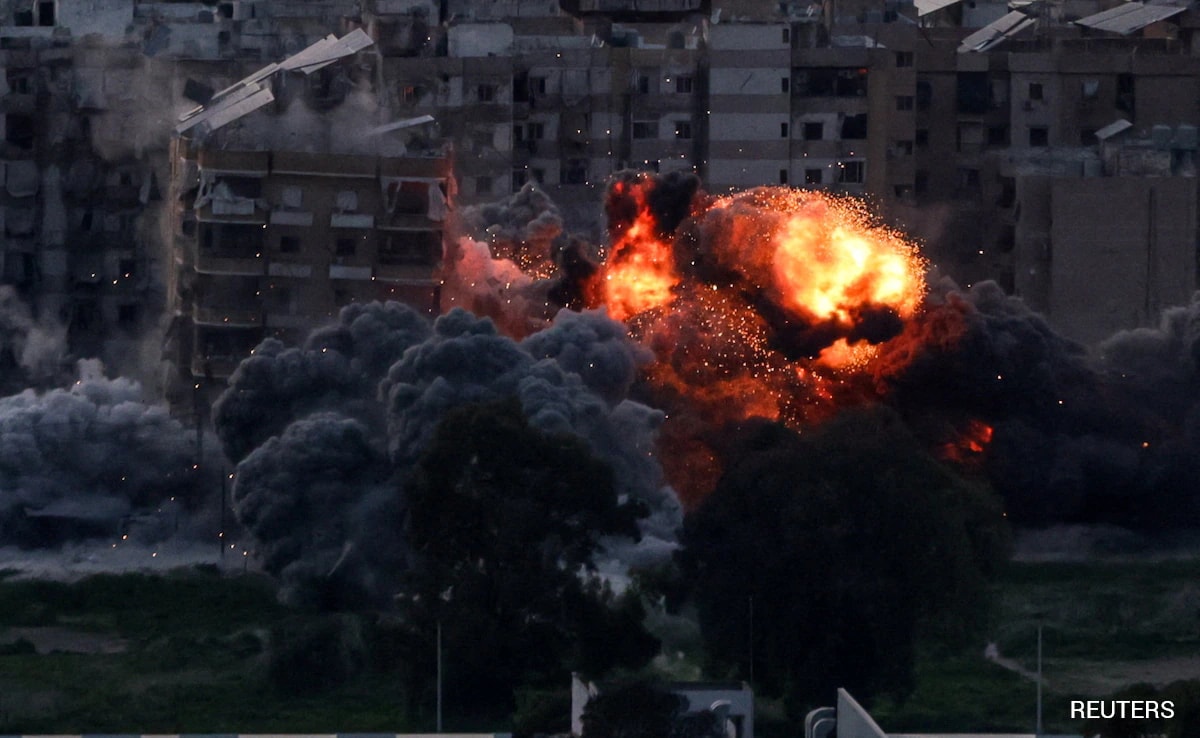
While the world watches Tehran, Beirut is burning. Israel has stepped up its campaign against Hezbollah, hitting more than 500 targets in Lebanon in just a week. The Lebanese government actually took the unprecedented step of declaring Hezbollah's military wing illegal. That sounds good on paper, but on the ground, it’s causing a civil rift that could lead to a total state collapse. Nearly half a million people are displaced. It’s a humanitarian disaster that's getting overshadowed by the "big war."
The Myth of Surgical Strikes
Don't buy the "surgical strike" narrative. While the US and Israel have targeted over 3,000 military sites, the collateral damage is staggering. Iranian state media and the UN are reporting over 1,300 civilian deaths. One strike near an IRGC complex reportedly hit a primary school.
There’s also a total internet blackout in Iran. The regime is using it to hide the cracks in its own control, and the coalition is using it to disrupt command. But for the average person in Tehran, it means they have no warning systems. They’re sitting in the dark, waiting for the next whistle of a cruise missile.
What You Should Actually Be Watching
If you’re trying to figure out where this goes, stop looking at the map and start looking at the internal politics of the players involved.
- The Succession Crisis: Iran is currently being run by a temporary council. Hardline clerics are already demanding a new Supreme Leader. Who they pick will determine if this lasts two weeks or two years.
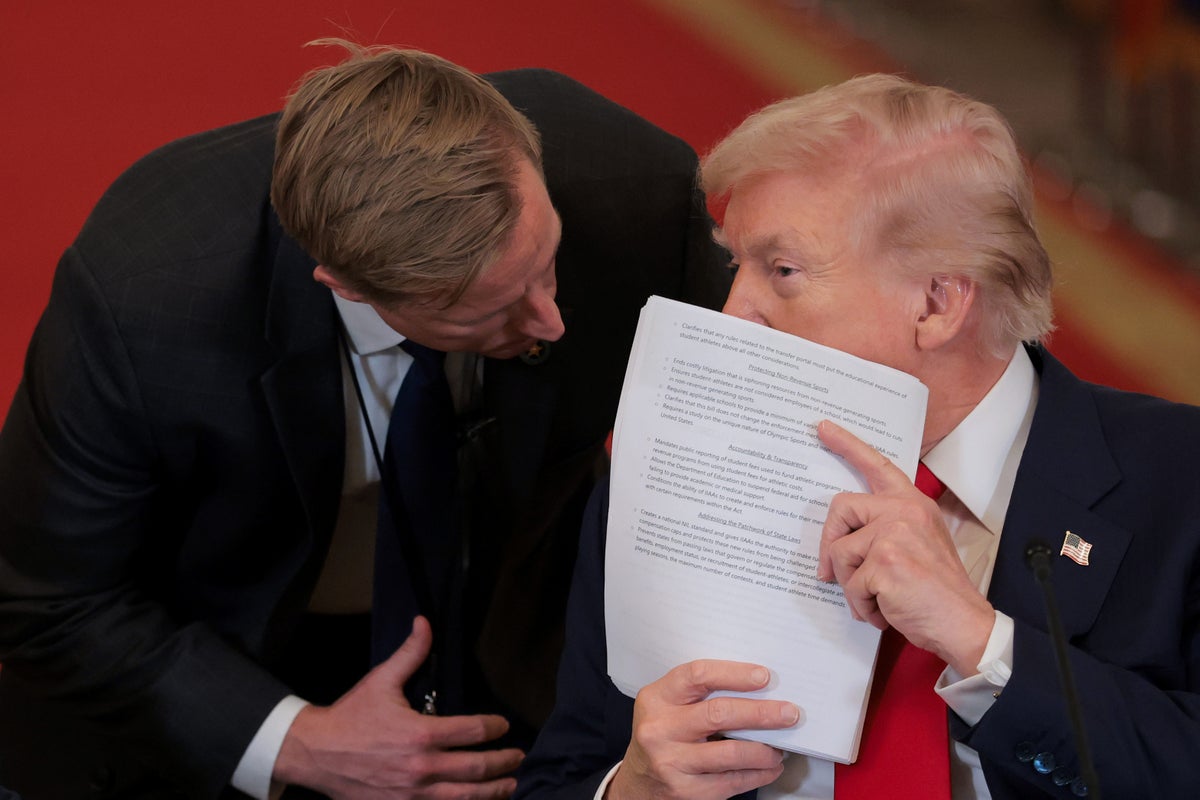
- Trump’s "Unconditional Surrender" Demand: The US president is leaning into a maximalist position. He’s not looking for a deal; he’s looking for a total collapse of the current Iranian structure. That doesn't leave much room for diplomacy.
- The China Factor: US intelligence suggests China might be ready to ship missile components and cash to Tehran. If that happens, the "degradation" of Iranian forces won't matter because they’ll be replenished.
Basically, the "strategic victory" the coalition hoped for is turning into a regional quagmire. You're looking at a world where $5 gas and disrupted supply chains are the new baseline.
If you're in the market, move toward safe-haven assets like gold, which has already spiked toward $5,400. For everyone else, prepare for a long period of volatility. This isn't ending by next Sunday.
Monitor the daily updates from the Institute for the Study of War (ISW) for the most accurate troop movements. Check your local energy providers for upcoming rate hikes. If you have travel plans through the Middle East, cancel them. Now.