The fluorescent lights of aisle four hum with a low, predictable vibration. Underneath that hum, a quiet math problem is being solved thousands of times every single minute.
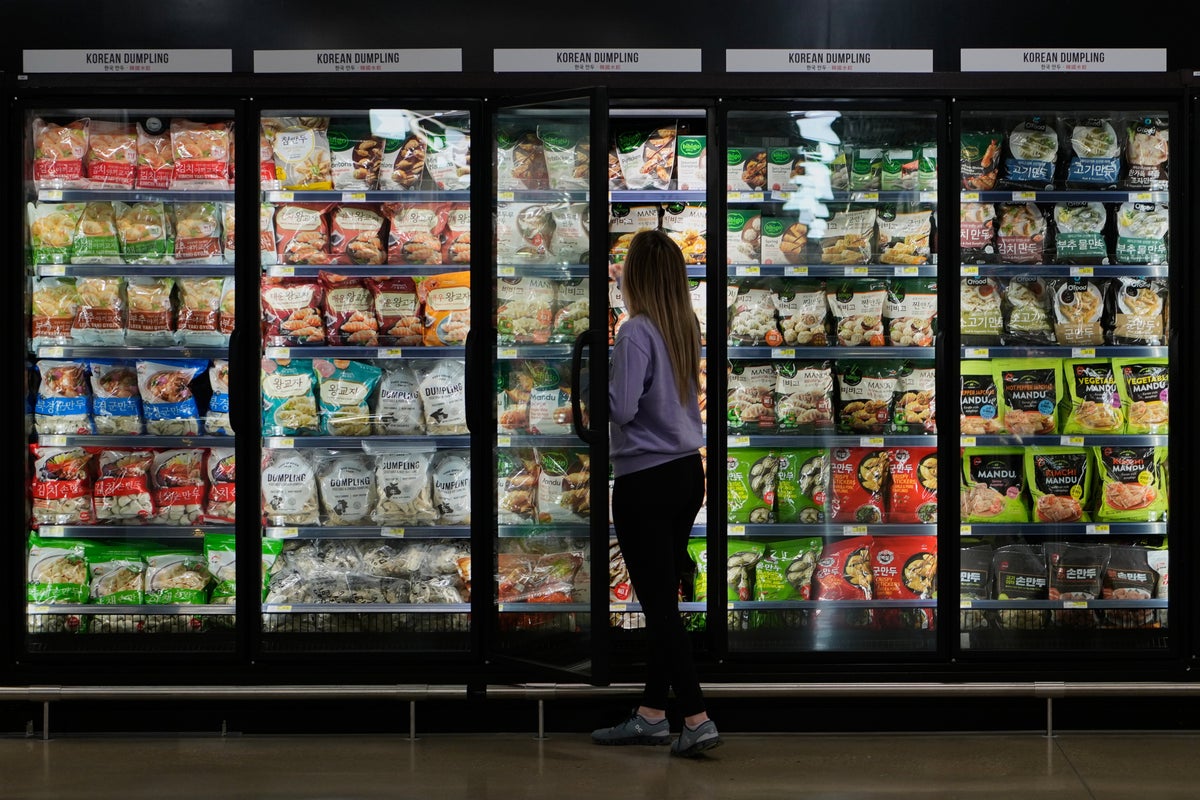
A woman stands in front of the dairy case. She picks up a block of cheddar cheese, looks at the price tag, and puts it back. She picks up a smaller, store-brand alternative. She stares at it for three seconds, calculating a trajectory that involves rent, gasoline, and her daughter’s upcoming school field trip.
This isn't a scene from a documentary about financial ruin. It is Tuesday evening in America.
We are living through a quiet transformation of the ordinary. For decades, the American supermarket was a monument to choices. It was a place where abundance was assumed, and the constraints of the wallet were secondary to the whims of the appetite. Today, the grocery store has become a battleground of micro-compromises.
Recent data pulled back the curtain on this hidden friction, revealing that a staggering 60 percent of Americans—three out of every five people you pass on the sidewalk—have been forced to fundamentally alter their grocery lists due to skyrocketing prices. That is not a minor statistical blip. It is a cultural shift. When a supermajority of a nation starts renegotiating what goes into their refrigerator, the story is no longer about inflation percentages or consumer price indices.
It is about what we lose when we have to think twice about buying a pint of strawberries.
The Shrinking Cart and the Calculus of Compromise
Consider a hypothetical shopper named Marcus. Marcus is an accountant, a man who literally manages numbers for a living. He understands inflation abstractly. He knows about supply chain bottlenecks and interest rate hikes. But abstract knowledge melts away when Marcus stands in the produce section.
A few years ago, Marcus didn't think about grocery shopping. He walked down the aisles, tossed items into the cart, swiped a card, and went home. The total was a background noise in his monthly budget.
Now, shopping requires a strategy.
The first casualty of the modern grocery run is usually the luxury of preference. Brand-name cereal gives way to the generic bag on the bottom shelf. The organic spinach is bypassed for the conventional head of lettuce. But the cuts don't stop there. They move deeper, carving into the essentials.
When sixty percent of a population alters their list, they are doing more than just swapping brands. They are recalculating nutrition. Fresh meat becomes a luxury, replaced by ground alternatives or frozen blocks. Fresh berries, once a staple of a healthy breakfast, become an occasional indulgence, weighed against the cost of a gallon of milk.
The grocery cart is shrinking, not just in volume, but in color. The vibrant greens and deep berries of the perimeter aisles are being traded for the beige, calorie-dense stability of the center aisles. It is a rational response to an irrational economic landscape. Boxed pasta and canned beans don’t spoil, and they fill stomachs for a fraction of the cost of a fresh salad.
But this calculus carries an invisible tax.
The Hidden Weight of Mental Loading
There is a psychological exhaustion that comes with constant financial vigilance. It is the exhaustion of the calculator app opened under the cover of the shopping cart handle.
Every item added requires a mental subtraction. If the coffee is two dollars more this week, what leaves the cart to balance the ledger? Is it the good dish soap? Is it the afternoon snack the kids look forward to?
This constant negotiation breeds a specific kind of fatigue. Shopping used to be a mundane errand. Now, it is a high-stakes performance review of one's personal finances. The stress doesn't vanish when the receipt prints, either. It follows people home, sitting on the kitchen counter as groceries are unpacked. It lingers in the realization that despite the careful curation, despite the cuts and the generic brands, the total number at the bottom of the receipt is still higher than it was last year.
The numbers provided by economic analysts tell us the what. They tell us that milk is up a certain percentage, that eggs have fluctuated wildly, that beef is hovering at historic highs.
The why is often attributed to grand, sweeping global movements—corporate greed, geopolitical conflict, climate disruptions affecting crop yields.
But the how is lived in the small, agonizing moments of decision. It is lived by the parent who watches their teenager pour a massive bowl of cereal and feels a momentary, instantly regretted flash of anxiety about how quickly that gallon of milk is disappearing.
The Ripple Effect on the Family Table
The dinner table has long been the emotional anchor of the home. It is where stories are traded, where the day is processed, where culture is passed down through recipes.
When the grocery list is compromised, the table changes.
Traditional family recipes, passed down through generations, are beginning to morph. A Sunday roast becomes a Sunday stew, stretched with extra potatoes and carrots to make the meat go further. A cherished cultural dish is modified because a specific imported ingredient has doubled in price. These changes seem small in isolation, but over time, they erode the texture of daily life.
We are witnessing a democratization of financial anxiety. This isn't a crisis confined to the margins of society. When three out of five people are changing how they feed themselves, this anxiety has moved firmly into the middle class. It has reached the households that thought they had done everything right—went to college, secured stable jobs, bought a home. Yet, they find themselves standing in front of the meat counter, debating whether chicken breasts are a justifiable expense this week.
This reality forces us to confront a uncomfortable truth about our current economic moment. The headline numbers might suggest a resilient economy, low unemployment, and a stabilizing stock market. But the economy that people live in is measured in grocery bags. If a worker takes home a steady paycheck but can buy twenty percent less food with it than they could three years ago, no amount of positive economic reporting will convince them that things are going well.
The Anatomy of the New Normal
How do we adapt to a world where abundance is no longer a given?
We do it through a thousands of tiny, uncelebrated pivots. We clip digital coupons on apps that track our data in exchange for fifty cents off a loaf of bread. We visit multiple stores, chasing a sale on butter at one location and a discount on chicken at another, spending our limited time to save our scarce money. We become experts in the shelf life of produce, learning exactly how to store green onions so they last an extra four days.
This is the new expertise of the American consumer. It is an impressive display of resilience, but it is also a poignant one.
The real danger is that this friction becomes normalized. We adapt so well to the squeezing that we forget what it felt like to breathe easily down the baking aisle. We accept the smaller boxes, the higher prices, and the constant mental math as the baseline of existence.
The block of cheddar cheese stays on the shelf. The store brand goes into the cart. The consumer walks to the checkout line, their mind already racing ahead to the next bill, the next calculation, the next compromise.
The hum of the grocery store lights remains completely unchanged.