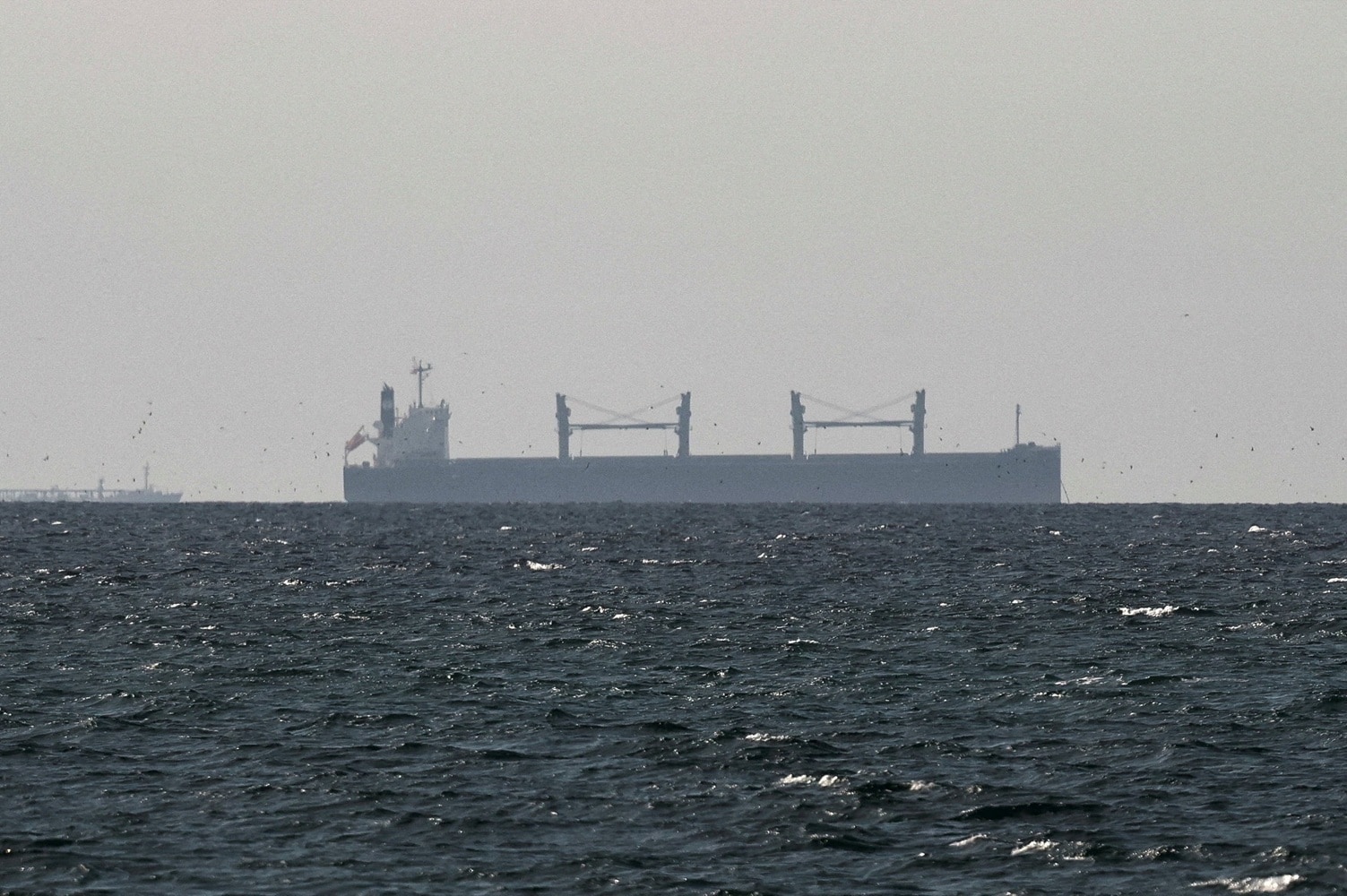
A rusted tanker sits low in the water, its hull encrusted with salt and years of hard labor. On the bridge, a merchant mariner watches the radar. The screen is a mess of green blips, each representing millions of gallons of crude oil, thousands of containers, and the collective heartbeat of the global economy. This is the Strait of Hormuz. It is only 21 miles wide at its narrowest point.
The air here feels heavy. It isn't just the humidity of the Persian Gulf; it is the weight of knowing that at any moment, the world's most vital artery could be squeezed shut.
Intelligence reports coming out of Washington are no longer just dry assessments of naval movements. They are warnings of a permanent state of tension. The latest consensus is grim: Iran is unlikely to loosen its grip on this chokehold anytime soon. For the average person pumping gas in Ohio or a factory manager in Shenzhen, this sounds like a distant geopolitical chess match.
It isn't. It is the story of your wallet, your heating bill, and the fragile thread that holds the modern world together.
The Geography of Anxiety
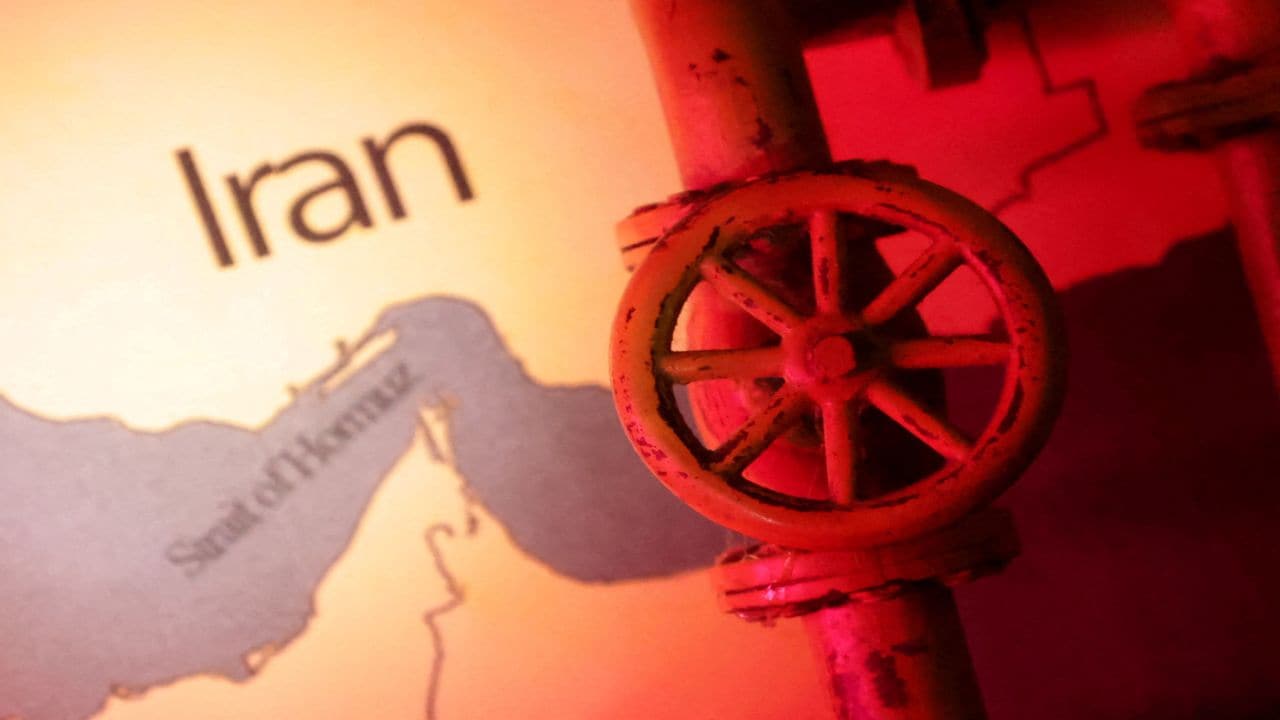
To understand the stakes, you have to look at the map not as a collection of borders, but as a plumbing system. The Strait of Hormuz is the primary faucet. Nearly a fifth of the world’s daily oil consumption passes through this tiny gap. Imagine twenty lanes of highway traffic suddenly forced into a single-car driveway. Now, imagine that driveway is surrounded by neighbors who have a history of holding a match to the pavement.
Iran’s strategy isn't about winning a conventional war. They know they can’t go toe-to-toe with a carrier strike group in a traditional broadside battle. Instead, they use the geography as a psychological weapon. By maintaining the ability to close the Strait, they exert a power that far exceeds their economic output.
It is the power of the threat.
Intelligence officials suggest that Tehran views this leverage as its most effective shield against Western sanctions. If you can threaten to turn off the lights in Europe or stall the engines of Asia, you have a seat at the table that no amount of diplomacy can provide. The "chokehold" is not a temporary tactic. It is a foundational pillar of their national security.
A Ghost in the Engine Room
Let’s look at a hypothetical sailor—call him Elias. He’s a third engineer on a VLCC (Very Large Crude Carrier). Elias doesn’t care about the nuances of the 2015 nuclear deal or the rhetoric coming out of the UN. He cares about the "limpet mine" rumors. He cares about the fast-attack boats that buzz his massive ship like hornets, weaving in and out of the wake.
When Elias is in the engine room, deep below the waterline, every vibration feels like a possible strike. This is the human cost of a "chokehold." It is a constant, low-grade fever of anxiety for the thousands of men and women who man these vessels.
The US intelligence community notes that Iran’s Islamic Revolutionary Guard Corps (IRGC) has refined its "gray zone" tactics. These are actions that fall just short of sparking an all-out war but are aggressive enough to keep insurance premiums skyrocketing. When insurance costs go up for a tanker, you pay for it at the grocery store. Everything you buy—the plastic in your phone, the fuel for the truck that delivered your bread—is tethered to the safety of Elias's ship.
The Illusion of Energy Independence
There is a common myth that because some nations have increased their domestic oil production, they are immune to the drama in the Gulf. This is a dangerous misunderstanding of how the world works. Oil is a global commodity. If 20% of the supply is threatened, the price doesn't just go up in the Middle East. It spikes everywhere.
Markets don't react to reality; they react to fear.
The intelligence warning highlights that Iran’s capability to disrupt traffic has become more sophisticated. They aren't just using old-school mines anymore. We are talking about underwater drones, precision missiles hidden in coastal caves, and cyber-capabilities that could potentially spoof the GPS coordinates of a ship, leading it into Iranian waters by "accident."
Consider the mechanics of a seizure. A helicopter drops commandos onto the deck. The crew is detained. The ship is diverted to an Iranian port. The news cycle explodes. For the diplomats, it’s a crisis to be managed. For the crew, it’s a terrifying limbo. For the global economy, it’s a "risk premium" that attaches itself to every barrel of oil for months to follow.
Why Soon Isn't an Option
Why won't they ease up? Why not choose stability and trade?
From the perspective of the Iranian leadership, stability is a trap. They have watched other regional powers be sidelined or overthrown. In their eyes, the only reason they haven't faced a direct invasion is their ability to inflict "unacceptable costs" on the global financial system. The Strait of Hormuz is their insurance policy.
The intelligence community observes that the IRGC has been given more autonomy over Gulf operations. These are not bureaucrats; they are ideologues and military strategists who believe that tension is a form of strength. They have spent decades building an infrastructure of harassment. You don't dismantle that kind of investment because of a few rounds of talks in Vienna or Geneva.
Furthermore, the technology of disruption is getting cheaper. While the US spends billions on high-tech destroyers and stealth aircraft, a relatively inexpensive swarm of explosive-laden motorboats can cause enough chaos to shut down the Strait for days. It is an asymmetric nightmare.
The Quiet Panic in the Boardrooms
In the high-rise offices of London and Singapore, analysts are staring at the same intelligence reports. They aren't looking at the political rhetoric; they are looking at "transit days" and "freight rates."
If a ship has to be diverted around the Cape of Good Hope because the Strait is too dangerous, you add weeks to the journey. You burn more fuel. You tie up more shipping capacity. The supply chain, already fragile from years of global shocks, begins to fray at the edges.
This is the invisible stake. The "chokehold" isn't just a physical blockage of water; it’s a psychological blockage of trade. When certainty vanishes, investment slows down. When investment slows down, innovation stalls.
The master of a ship doesn't just navigate by the stars or GPS anymore; they navigate through a minefield of geopolitical intent.
The Sound of the Squeeze
We often think of war as a sudden explosion. A flash of light and then the aftermath. But this—this permanent tension in the Strait—is a slow-motion conflict. It is the sound of a door being slowly pushed shut, millimeter by millimeter.
The intelligence warns that we should not expect a "return to normal." This is the new normal. A world where the most important trade route is under constant shadow.
The mariners like Elias will continue to watch the radar. The analysts will continue to track the price of Brent Crude. And the IRGC will continue to patrol the narrow waters, reminding the world that while they may not own the global economy, they have their hand firmly on the valve.
It is a sobering reality. We have built a world of incredible complexity and speed, yet it all remains beholden to a few miles of dark water and the men who claim to guard it. The chokehold is not a temporary inconvenience. It is the defining tension of our age, a reminder that for all our digital advancement, we are still a civilization built on the movement of physical things through dangerous places.
The ships keep moving, for now. But the squeeze is felt in every port, every gas station, and every home, a silent pressure that never quite lets go.