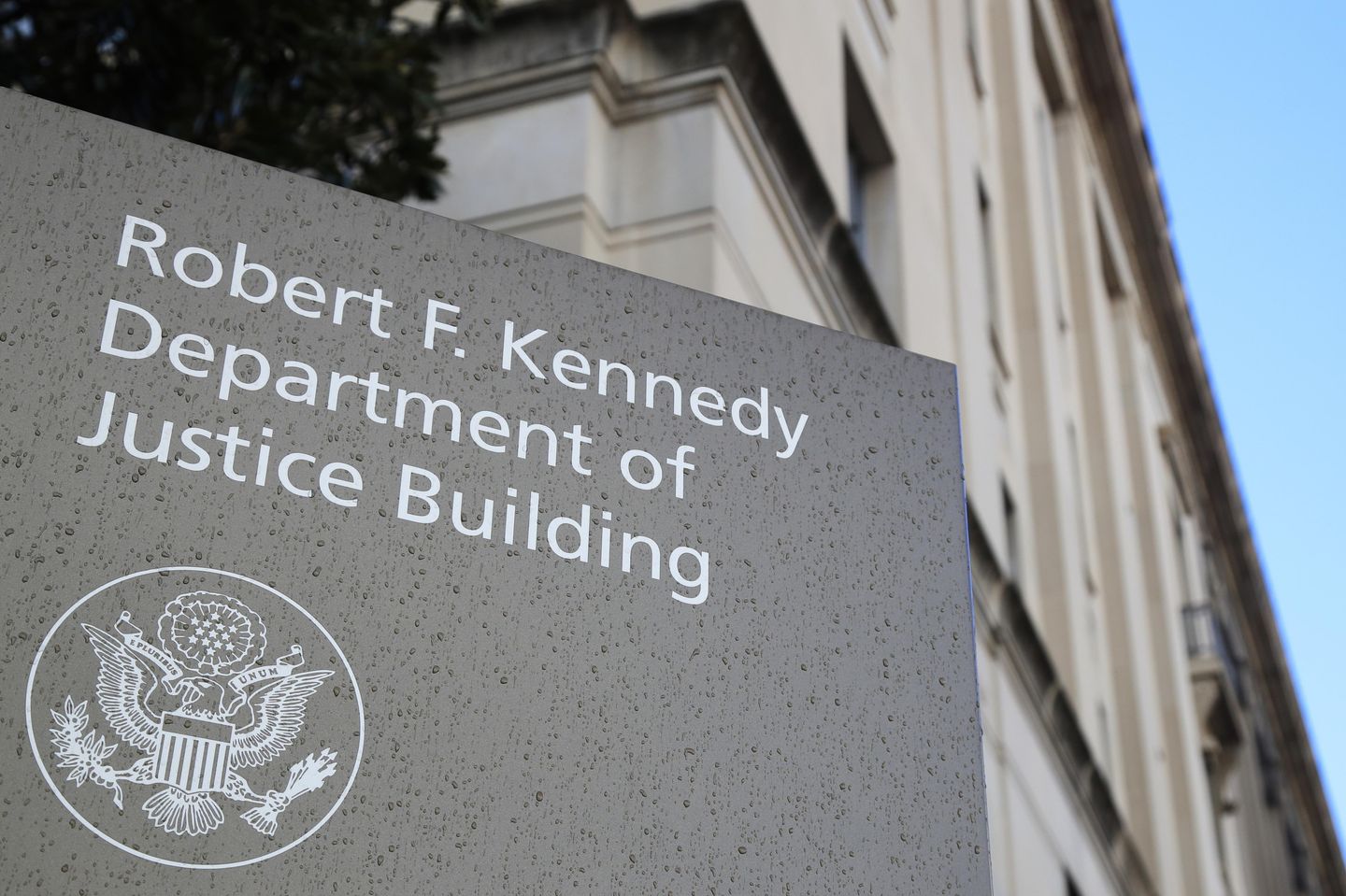
Federal agents arrested Jamshid Ghomi at his $35 million ocean-view mansion in Newport Coast, California, charging the dual U.S.-Iranian citizen with running a decade-long smuggling ring that funneled critical U.S. technology to Iran’s military and nuclear programs. Operating through his Tehran-based company, Faraz Pardaz Rayaneh (FPR), Ghomi bypassed international embargoes by routing hundreds of tons of sophisticated enterprise networking and encryption hardware through intermediaries in Dubai.
The case underscores a massive, systemic problem in the technology supply chain. Western tech giants remain largely blind to where their secondary and enterprise-grade hardware ultimately lands, creating a highly lucrative black market for state-sponsored buyers.
The Dubai Conduit and the Mechanics of Evasion
For over twelve years, Ghomi did not use complex cyber warfare techniques to acquire restricted American hardware. He used retail accounts. Between 2011 and 2023, federal prosecutors allege Ghomi executed hundreds of individual transactions using standard eBay and PayPal accounts, buying enterprise-level networking gear piece by piece.
When retail channels were insufficient, he went straight to the source. In 2023, Ghomi personally negotiated bulk procurement contracts with technology suppliers located in Minnesota and Nebraska. The suppliers did not ship to Tehran. They shipped to freight forwarders in the United Arab Emirates.
The United Arab Emirates, specifically Dubai, serves as the primary transshipment node for global sanctions evasion. Ghomi used a network of logistics intermediaries in Dubai to strip away the digital and physical paperwork that tied the hardware to American origins.
- Internal communications revealed that Ghomi and his associates used the code word "Motherland" to refer to Iran during logistics coordination.
- He ordered Dubai workers to remove his name from shipping manifests entirely.
- Invoices were routinely destroyed before the cargo crossed the Persian Gulf.
- Smaller, highly sensitive encryption modules were packed inside larger commercial crates to fool customs inspectors.
Through this pipeline, Ghomi moved more than 275 metric tons of networking equipment between 2014 and 2018 alone.
Feeding the Nuclear Machine
While FPR served hundreds of commercial clients in Iran to maintain a legitimate corporate facade, its highly sensitive deliveries went directly to sanctioned state actors.
According to the unsealed criminal complaint in the Central District of California, Ghomi’s company secured contracts with the Atomic Energy Organization of Iran (AEOI) between 2017 and 2023. The AEOI oversees Iran’s uranium enrichment facilities, including the heavily fortified underground sites at Natanz and Fordow. Enterprise networking gear, advanced switches, and high-level encryption modules are critical for these facilities to maintain secure, air-gapped industrial control networks that are resilient against Western cyberattacks.
Simultaneously, Ghomi signed direct procurement contracts with Iran Computer Industries, a subsidiary of the country's Ministry of Defense and Armed Forces Logistics. This branch of the Iranian state apparatus manufactures ballistic missiles, coordinates military logistics, and builds drones used in foreign conflicts.
The corporate irony is stark. In 2021 and 2022, while the U.S. Department of the Treasury's Office of Foreign Assets Control (OFAC) was tightening restrictions on Iranian state entities, the Iranian government registered Ghomi’s firm as an officially approved vendor.
The Laundering Scheme and Tax Fraud
The financial operation supporting this pipeline was vast, moving more than $15 million from Iranian accounts into the U.S. banking system.
To move these millions without triggering automated anti-money laundering red flags, Ghomi utilized shell companies spanning multiple jurisdictions, including the British Virgin Islands, Hong Kong, Turkey, and the UAE. When the funds finally arrived in his personal U.S. bank accounts, Ghomi declared them to the Internal Revenue Service as a "foreign inheritance," completely exempting them from standard corporate or income tax scrutiny.
The money funded a lavish lifestyle. Ghomi purchased a premium real estate lot in Newport Coast for $4.49 million in 2010. Over the next three years, he funneled more than $10.4 million of sanctions-evasion profits into a construction escrow account to build a 14,000-square-foot luxury estate overlooking the Pacific Ocean.
Yet, on paper, Ghomi portrayed himself as impoverished. His official U.S. tax filings showed virtually no domestic corporate revenue, with his highest reported annual income peaking at just $20,684. For seven separate tax years, while living in one of the most exclusive zip codes in America and building a multimillion-dollar mansion, Ghomi claimed the Earned Income Tax Credit, a federal subsidy designed for low-to-moderate-income working families.
The Blind Spot in Global Tech Logistics
This case highlights a broader, systemic vulnerability within the Western technology sector. Silicon Valley manufacturers focus their compliance efforts heavily on direct sales, screening immediate corporate buyers against federal watchlists. However, once bulk hardware enters the secondary distribution market or is acquired via third-party online vendors, manufacturers lose all visibility.
Enterprise switches and commercial encryption units are dual-use technologies. They lack the strict regulatory oversight applied to munitions or weapon systems, yet they provide the foundational infrastructure required to run modern military command centers and nuclear centrifuges. As long as transshipment hubs like Dubai allow opaque freight forwarding networks to rewrite shipping documentation, the unilateral sanctions imposed by the United States will remain simple speed bumps rather than absolute barriers.
Ghomi faces a maximum statutory penalty of 20 years in federal prison for conspiracy to violate the International Emergency Economic Powers Act. Federal prosecutors have already initiated asset forfeiture proceedings against his $35 million Newport Coast property. The physical infrastructure he smuggled across the Persian Gulf, however, remains fully operational inside Iran's defense networks.