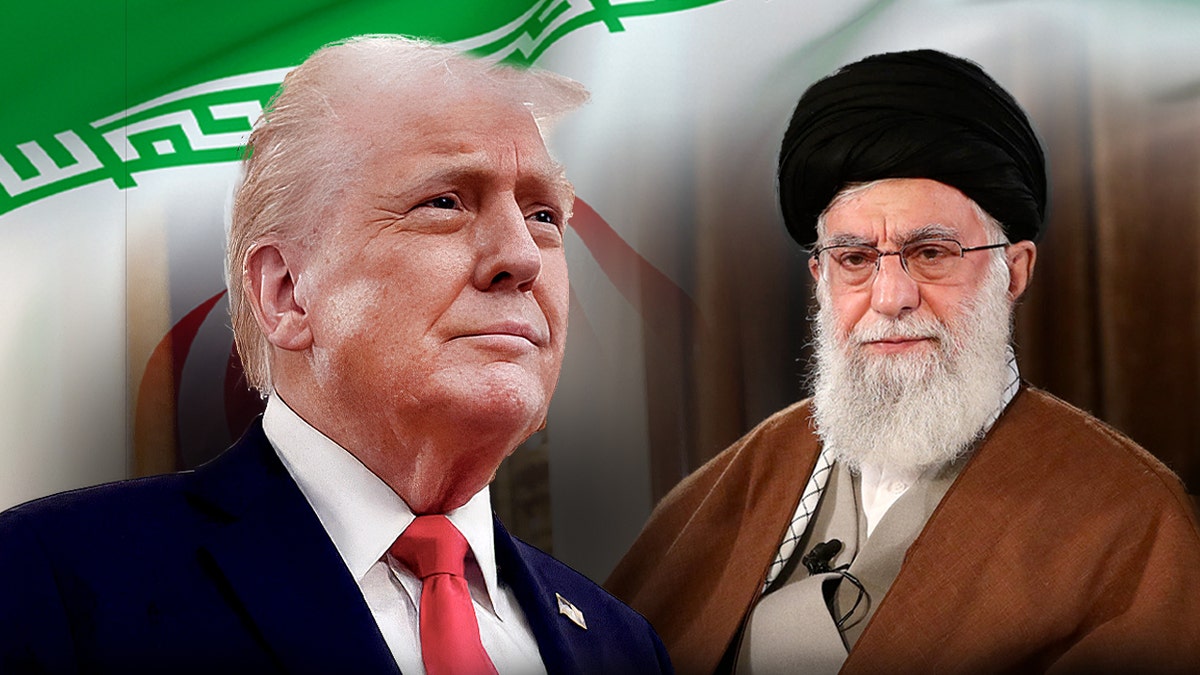
The white-knuckle volatility of the Persian Gulf found a momentary, fragile anchor on Tuesday when President Donald Trump announced an indefinite extension of the ceasefire with Iran. This decision, coming just hours before a two-week truce was set to expire, prevents a return to the high-intensity aerial bombardments and missile volleys that have characterized the 2026 Iran War since February. However, the extension is less a victory for diplomacy and more a tactical pause for two exhausted adversaries. While Trump frames the move as a demonstration of American strength and "graciousness" toward Pakistani mediators, the reality on the ground in Islamabad and Tehran suggests a different story.
Talks are not just stalled; they are fundamentally broken. The core of the deadlock remains the Strait of Hormuz, where a dual blockade continues to choke the global economy. Iran maintains a functional "chokehold" on the waterway via mobile missile batteries and mines, while the U.S. Navy enforces a total blockade of Iranian ports. This extension buys time, but with the U.S. refusing to lift maritime pressure and Iran parading ballistic missiles through the streets of Tehran as a "negotiating tool," the threat of total regional collapse remains the only constant.
The Islamabad Deadlock
The negotiations in Islamabad have become a theater of the absurd. Vice President JD Vance and special envoys Jared Kushner and Steve Witkoff arrived in Pakistan earlier this month with a list of six non-negotiable demands, including the permanent dismantling of Iran’s nuclear infrastructure and the immediate, unconditional reopening of the Strait of Hormuz. Iran’s representatives, led by Parliament Speaker Mohammad-Bagher Ghalibaf, countered with a 10-point plan that demands an end to the U.S. naval blockade and a cessation of Israeli strikes in Lebanon as a prerequisite for any further talk.
Trust is non-existent. The Iranian delegation points to the February 28 strikes—which killed Supreme Leader Ali Khamenei—as proof that the U.S. seeks "unconditional surrender" rather than a sovereign peace. Meanwhile, the Trump administration views the Iranian refusal to clear mines from the Strait as a direct violation of the spirit of the April 7 truce.
This isn't a misunderstanding. It is a fundamental collision of objectives. Washington wants a post-regime reality where Iran is a neutered middle power; Tehran is fighting a war of survival, using its ability to spike global oil prices to $100 a barrel as its only remaining shield.
The Economic Leverage of Chaos
Oil markets reacted to the ceasefire extension with a nervous dip, but prices remain dangerously high. Brent crude is hovering near $98 per barrel, a price point that threatens the domestic economic stability Trump promised to protect. The U.S. is learning a hard lesson in the limits of air superiority. You can destroy a power plant in Shiraz from the deck of a carrier, but you cannot force a merchant vessel to sail through a minefield.
The War of the Blockades has created a stalemate where neither side can claim a functional win.
- The U.S. and Israel have inflicted an estimated $270 billion in damage on Iranian infrastructure.
- Iran has successfully disrupted the energy flow to India and East Asia, forcing third-party nations to pressure Washington for a de-escalation.
- The U.S. Navy’s seizure of an Iranian cargo ship in the Gulf of Oman last weekend nearly shattered the ceasefire entirely, with Tehran labeling the move "state piracy."
Trump’s decision to extend the truce is an acknowledgment that a return to active combat would likely push oil past $120, a political "red line" for a White House currently managing high domestic inflation.
The Lebanon Complication
The ceasefire is also being tested in a secondary theater: Lebanon. While the U.S. maintains the April 7 agreement is strictly between Washington and Tehran, Iran insists it covers the entire "Axis of Resistance." Israel has continued its campaign against Hezbollah targets, arguing that the Lebanon front is a separate security necessity.
This discrepancy is a ticking time bomb. Iranian National Security Adviser Mahdi Mohammadi has been blunt: if Israel continues its operations in Lebanon, the "missiles are ready to launch" from Iranian soil. By extending the ceasefire without addressing the Lebanon loophole, Trump has essentially built a bridge that ends halfway across a canyon.
Tactical Patience or Strategic Failure
Veteran analysts recognize this pattern from the first Trump administration—maximum pressure followed by a sudden offer of a "great deal." But the stakes in 2026 are orders of magnitude higher. The Iranian regime is wounded, its leadership decimated, and its economy in ruins. In such a state, the IRGC has less to lose from a total regional conflagration than a healthy government would.
The "indefinite" nature of this extension provides a deceptive sense of calm. In reality, it signals that the U.S. has no immediate military solution to the Strait of Hormuz crisis and no diplomatic path that Iran is willing to walk. The U.S. military remains "ready and able," according to the White House, but readiness is not a strategy.
The next 48 hours will be telling. If the Iranian proposal—requested by the Pakistani mediators—fails to offer concrete concessions on the Strait, the "indefinite" extension may be measured in days, not weeks. Trump has a history of tearing up agreements the moment he feels the other side is "playing" him. For now, the world waits for a proposal that likely won't come from a regime that views the very act of negotiating as a slow-motion suicide.
The ships are still sitting outside the Strait, the missiles are still in their launchers, and the peace is nothing more than a lack of noise.