The headlines are predictable. They are lazy. They are mourning the "death" of the Japanese cherry blossom party because a can of Asahi costs fifty yen more than it did last year. They want you to believe that the Sakura season is under siege by the Bank of Japan’s inability to wrangle the yen. They claim the "strain on wallets" will wilt a thousand-year-old tradition.
They are wrong.
Inflation isn’t killing Hanami. It is pruning it. For decades, these parties have devolved into a bloated, performative exercise in corporate obligation and mindless consumerism. If a slight uptick in the price of blue plastic tarps and convenience store fried chicken is enough to keep you away from the trees, you weren't there for the flowers in the first place. You were there for the cheap logistics.
The Myth of the "Wilted" Party
The core argument of the doom-and-gloom crowd is that rising costs for food, fuel, and transport will deter the masses. This assumes that Hanami is a price-sensitive commodity. It isn't. It’s a cultural anchor.
When people say they can't afford a cherry blossom party, they usually mean they can't afford the excess they’ve grown accustomed to. I have sat through enough "mandatory fun" sessions in Yoyogi Park to tell you exactly what we are losing:
- Literal tons of wasted Bento leftovers.
- Industrial quantities of low-grade alcohol.
- The soul-crushing sight of junior employees camping out at 4:00 AM to claim a square of dirt.
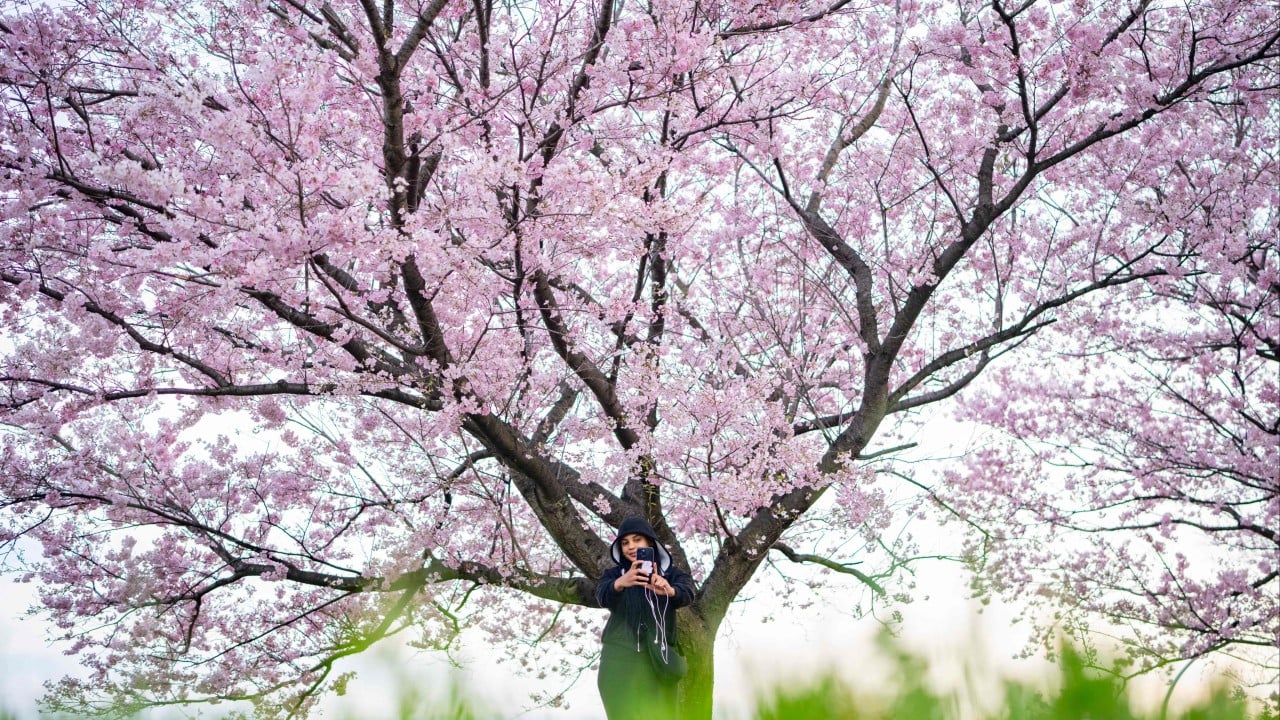
Inflation acts as a filter. It forces a return to the "Small Hanami" (ko-hanami). When resources are tight, the focus shifts from the quantity of the spread to the quality of the company and the environment. We are seeing a pivot toward hyper-local appreciation. Instead of trekking across Tokyo to fight two million people at Ueno, people are looking at the single, stunning tree in their neighborhood.
That isn't a "strain." That is a correction.
The Economics of Scarcity vs. The Economics of Abundance
Let’s look at the numbers the "inflation is ruinous" camp ignores. Japan’s core consumer price index (CPI) has indeed seen its most sustained rise in decades. But let’s be real about the scale. We are talking about price increases that, in many cases, are still lower than what the West has dealt with for years.
The real "cost" of Hanami was never the beer. It was the time and the space.
In an era of cheap money and stagnant prices, we treated Sakura like an all-you-can-eat buffet. When something is perceived as "free" or "cheap," it is disrespected. We saw this in the "overtourism" spikes pre-2020 and the subsequent trash mountains left behind. By increasing the financial barrier to entry—even slightly—the value of the experience rises.
I’ve spent fifteen years observing Japanese market trends. I’ve seen brands try to "save" the consumer by offering cheaper, synthetic blossom-themed products to offset the cost of real travel. It fails every time. Why? Because the Japanese consumer isn't looking for a bargain; they are looking for a moment of Mono no aware—the pathos of things, the awareness of impermanence.
You cannot find impermanence in a discount bin.
The "Premiumization" Trap
The competitor's narrative suggests that if the masses can’t party, the tradition dies. This ignores the massive shift toward "Premium Hanami."
While the media cries about the "wilted" wallet, luxury hotels in Kyoto and Tokyo are seeing record bookings for Sakura viewing packages that cost more than a monthly mortgage payment. High-end department stores like Isetan and Mitsukoshi are moving record numbers of luxury Bento boxes.
The market isn't shrinking; it is bifurcating.
- The Casuals: Those who only went for the cheap beer are staying home. Good.
- The Purists: Those who value the tradition are spending more intentionally.
- The Locals: Those who are reclaiming their parks from the corporate mobs.
This isn't a crisis. It’s an evolution. The "lazy consensus" is that inflation is a flat tax on joy. In reality, it’s a tax on thoughtless consumption.
Why "People Also Ask" Is Asking the Wrong Things
If you look at the common queries regarding Hanami and inflation, you see a pattern of fear:
- "How to save money on Hanami?"
- "Cheap places to see cherry blossoms in Japan."
The question shouldn't be "How do I do this for cheap?" It should be "Why am I doing this at all?" If your goal is to get drunk under a tree, a bar is more efficient and probably has better climate control. If your goal is the Sakura, the cost of a train ticket hasn't tripled. The trees don't charge an entrance fee.
The friction created by inflation is the best thing to happen to Japanese tourism and domestic culture in a generation. It forces a move away from the "bucket list" mentality. It encourages "slow travel."
Imagine a scenario where the parks aren't carpeted in blue plastic. Imagine a scenario where you can actually hear the wind in the branches instead of a portable karaoke machine three tarps over. That is the world inflation is building for us.
The Corporate Hanami is Dead (And We Should Cheer)
For decades, the "Nomikai" (drinking party) under the trees was a staple of Japanese corporate life. It was a budget-heavy, HR-approved nightmare. With inflation hitting corporate entertainment budgets, these are the first things to go.
I have spoken with dozens of salarymen who are secretly relieved that the "official" company party is being scaled back due to "budgetary constraints." They are finally free to enjoy the season with their families or—heaven forbid—by themselves.
The "strain on wallets" is providing a convenient excuse to kill off one of the most performative and exhausting aspects of Japanese work culture. The "loss" the media is mourning is actually a massive gain for mental health and personal autonomy.
Stop Patronizing the Consumer
The narrative that the Japanese public is too "strained" to enjoy flowers is condescending. It treats a sophisticated population like a simple machine that stops working if you insert 10% less fuel.
History shows us that during Japan’s most difficult economic periods, the appreciation of nature didn't vanish—it intensified. It became a necessary escape. During the "Lost Decades," the Sakura remained a constant. To suggest that a 4% inflation rate is the tipping point that breaks a millennium of tradition is historically illiterate.
The real threat isn't the price of a rice ball. The real threat is the homogenization of the experience—the idea that if you can't do it "big," you shouldn't do it at all.
The Strategy for the New Era
If you want to actually experience Hanami without being a victim of the "inflation" narrative, stop following the crowd.
- Ignore the "Top 10" Lists: These are just magnets for the exact price-gouging you’re afraid of.
- Go Late or Early: The "Full Bloom" (mankai) window is a marketing construct. The "Sakura Fubuki" (cherry blossom blizzard) when the petals fall is superior, less crowded, and costs nothing.
- Invest in Equipment, Not Consumables: Stop buying disposable junk at the park gates. Bring a real thermos. Use a real blanket.
The "strain" only exists if you insist on buying into the commercialized version of the season. The trees don't know about the exchange rate. They don't check your bank balance before they bloom.
We are witnessing the end of the "Fast Hanami" era. The era of plastic, noise, and waste is being priced out of existence. What remains will be quieter, smaller, and infinitely more valuable.
Stop crying over the price of the party. Start looking at the trees.
Don't let a spreadsheet tell you how to feel about a flower.
Make your own coffee, walk to the local shrine, and sit on a stone bench. The view is exactly the same as the one the CEOs are paying five thousand dollars for.
The "inflation crisis" is a ghost. Stop being afraid of it.
Go outside.